When should potassium fertilizer be applied to pineapple? Now is a good time
At present, pineapple winter fruit has entered the stage of rapid expansion, color change and ripening, and the demand for potassium fertilizer is large. If potassium fertilizer is supplied sufficiently at this time, the pineapple winter fruit can expand rapidly and ripen fully, with large fruit, regular fruit shape, plump fruit, clear and sweet flesh, plenty of juice, strong aroma, good coloring, golden peel, and good storage and transportation tolerance. Otherwise...
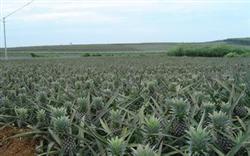
At present, pineapple winter fruit has entered the stage of rapid expansion, color change and ripening, and the demand for potassium fertilizer is large. If potassium fertilizer is supplied sufficiently at this time, the pineapple winter fruit can expand rapidly and ripen fully, with large fruit, regular fruit shape, plump fruit, clear and sweet flesh, plenty of juice, strong aroma, good coloring, golden peel, and good storage and transportation tolerance. Otherwise, the fruit will be small and thin, with weak cold resistance, susceptible to freezing injury, low yield and poor quality. Therefore, during the expansion and ripening stage of pineapple winter fruit, attention should be paid to increasing the application of potassium fertilizer in order to increase yield and improve quality.
The specific fertilization methods for potassium supplementation in pineapple in winter are as follows:
During the expansion and ripening stage of pineapple winter fruit, apply potassium fertilizer once to the roots, applying 50-60 kg of potassium sulfate per mu, evenly applied in the soil around the roots of the pineapple plants, then cover with a thin layer of soil to cover the potassium fertilizer. In addition, pour 250-300 times potassium dihydrogen phosphate aqueous solution into the heart once, pouring 0.5-1 kg per plant, pouring it in from the funnel-shaped opening at the top of the pineapple plant, so that the potassium dihydrogen phosphate aqueous solution flows along the leaf axils to the root soil. At the same time, carry out foliar topdressing, once every 7-10 days, spraying continuously 3-5 times, using 250-300 times potassium nitrate aqueous solution, or 800-1000 times Xingming Phosphorus and Potassium No. 1 aqueous solution, or 500-600 times potassium nucleotide aqueous solution, evenly spraying all leaves until water droplets begin to drip down, supplementing potassium fertilizer from the leaves.