-
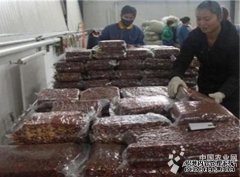
Xinjiang Shawan chili peppers exported to the South Korean market
Now, the chili powder, chili segments, crushed chili and other products produced by Xinjiang Anji Agricultural Development Co., Ltd. have already been exported to South Korea. The business is thriving more and more, local chili growers can sell their products well, surplus labor can work as blue-collar workers in the company,
-
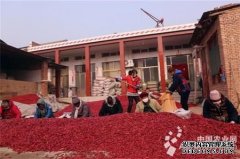
Chili Peppers in Xiangfen County, Linfen, Shanxi Enjoy a Bountiful Harvest
On January 2, pepper farmers in Zhaoxiong Village, Zhaokang Town, Xiangfen County, Linfen City, Shanxi Province, were busy drying chili peppers. Pepper farmers in Zhaokang Town have a long history of growing chili peppers, which has become a major industry driving the local economy.
-

Variety breeding must be guided by market demand
Large in size, 3 chili peppers measure one meter long; high in yield, with an output of over six or seven thousand jin per mu; rich in nutrition, with the content of various nutrients being several times that of ordinary high-quality chili peppers. Ningxia goji chili peppers sell well on the market thanks to their many advantages. Ultimately, today's buyers in the market
-
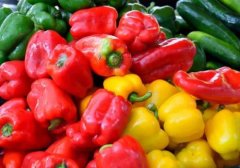
The differences between red and yellow bell peppers, how to eat them, and can diabetics eat them?
In what ways do red and yellow bell peppers differ? How do you eat red and yellow bell peppers? They are generally used as a seasoning vegetable to add flavor, and bell peppers are usually added when stir-frying. Can diabetics eat bell peppers? It is best not to consume bell peppers. You can supplement with other vegetables and
-
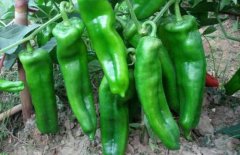
When are chili peppers planted, and how many days is the growth cycle before they bear fruit?
Chili peppers are now a vegetable used every day, so how should this vegetable be planted? When is the planting time, and how is it best to plant? Chili peppers are sown in mid-February, and in early April they should not be rotated or continuously cropped with Solanaceae crops. They like warmth and plenty of fertilizer. Chili peppers are warm-loving vegetables, and the suitable temperature for seed germination is 25-30°C; below 15°C or above 30°C, germination is slow. Seedlings have weak low-temperature tolerance, but as the seedlings grow, their low-temperature tolerance gradually strengthens. During the flowering and fruiting period, the suitable daytime temperature is 20-25°C, and at night 15-20°C. The growth cycle is about 60-90 days.
-
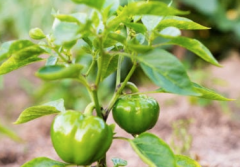
Why Are Peppers Bitter? Things to Note During the Fruiting Period of Bell Pepper Varieties
Whether you like them fresh, sauteed, or stuffed, bell peppers are a classic dinner vegetable with plenty of versatility. Their slightly sweet fragrance enhances spicy, aromatic, and savory dishes, while their range of colors livens up any recipe. In a favorite dish,
-
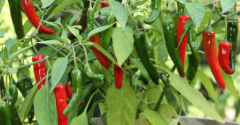
A Detailed Guide to Growing Potted Peppers: Planting Methods, Fertilizing and Watering Requirements
If your summer gardening plans include growing some vegetables in containers, peppers should be on your planting list. When the right varieties receive careful attention, peppers grow better in pots than in the garden, especially in cool or windy climates.
-
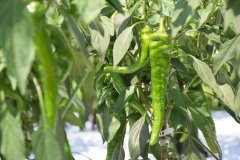
Are Manganji sweet peppers spicy? Introducing the characteristics of Japanese red chili varieties
(Chili pepper) written in Japanese kanji is "togarashi," which means "karashi (something spicy)" that came from "tou (not referring to China, but meaning foreign)". Simply put, togarashi is basically spicy, true red chili peppers
-
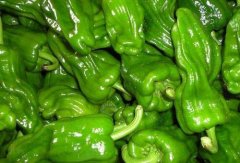
The Nutritional Value and Health Benefits of Green Peppers, and How to Tell Male and Female Bell Peppers Apart
Green peppers, also known as "bell peppers," are a vegetable people often eat in summer and autumn; they are emerald green in color, crisp and tender in texture, and fresh and fragrant in taste. Whether stir-fried or tossed in salad, they make a refreshing dish. They can be grown in pots, and the method for growing peppers in pots is relatively simple
-
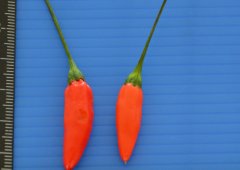
What are the origins and characteristic differences between facing-heaven chilies and lantern peppers?
There are relatively many factors influencing chili pepper cultivation profitability. Based on research by previous botanists and Kraft's (Kraft, 2013) records of wild species collected in Central and South America, it is inferred that the four currently important domesticated cultivated species of Capsicum are: C. annuum, C. chinese, C. frutescens,
条件筛选