-

Control Methods for Bump Disease in Eel Farming
Pathogen: Eimeria anguillae is the pathogen of eel bump disease, belonging to the order Microsporida. The spores are small and simple in structure. Eimeria anguillae parasitizes the muscles on the sides of the body, and the spores spread inside and outside the muscle tissue, while dissolving the surrounding tissue and causing the body surface to sink inward, presenting an uneven, bumpy appearance, hence
-
The Pathogenesis and Prevention and Control Methods of Wild Duck Influenza
The wild duck is a typical representative of waterfowl; the wild duck is the common name for the mallard in the Northern Hemisphere. The wild duck belongs to the class Aves, order Anseriformes, family Anatidae; its numbers are very large, and it is a general name for many kinds of wild ducks, with more than ten species. It is not afraid of heat or cold, and at -25 to 40°C
-
The pathogenesis of red gill disease in river shrimp and its prevention and treatment methods
Red gill disease in river shrimp is a disease caused by infection with Aeromonas hydrophila that makes the gills of river shrimp turn red. Red gill disease in river shrimp has caused serious trouble for river shrimp farmers. Below we will look at what red gill disease in river shrimp is all about and how to treat it. Pathogen of red gill disease in river shrimp
-
The pathogenesis and control methods of hyacinth bean brown spot disease
Hyacinth bean, Lablab purpureus (Linn.) Sweet, commonly known as bian dou, with aliases huolian biandou, tengdou, yanli dou, quedou, chadou, yueliang cai, belongs to the Dicotyledoneae class. There are also many varieties, such as: white hyacinth bean, purple hyacinth bean, oil bean, snake bean, pig's ear bean (shaped like a pig's ear). ⟦4 <p>Hyacinth bean, Lablab purpureus (Linn.) Sweet, commonly known as bian dou, with aliases huolian biandou, tengdou, yanli dou, quedou, chadou, yueliang cai, belongs to the Dicotyledoneae class. There are also many varieties, such as: white hyacinth bean, purple hyacinth bean, oil bean, snake bean, pig's ear bean (shaped like a pig's ear). It is a perennial, twining vine plant of the genus Lablab in the Fabaceae family. It is a type of legume plant.</p><p></p><p>The pathogenesis of hyacinth bean brown spot disease:</p><p>Hyacinth bean brown spot disease, also known as brown-edged white spot disease, mainly damages leaves. Nearly circular or irregular brown spots appear on the front and back of the leaves, with reddish-brown edges, 1 to 10 mm in diameter, and later the center of the lesion turns grayish-white to grayish-brown. Under high humidity, grayish-black mold-like growth appears on the lesions on the underside of the leaves. The pathogen overwinters in the soil as ascocarps with diseased residues. In the following year, primary infection is caused by ascospores produced by the overwintering pathogen, which spread by wind and rain, and ascospores produced in diseased areas spread by airflow. This disease is a high-temperature, high-humidity disease. Under high-temperature and rainy weather conditions, with a temperature of 20 to 25°C and relative humidity above 85%, it is prone to occur.</p><p>Control methods for hyacinth bean brown spot disease:</p><p>1. Agricultural measures: rotate with non-legume vegetables for 2 years. Plant at a reasonable density, apply more potassium fertilizer, clean the field, and collect and burn diseased residues.</p><p>2. Seed disinfection: pre-soak the seeds in cold water for 4 to 5 hours, then transfer to 50°C warm water for a brief soak of 5 minutes.</p><p>3. Chemical control: apply pesticide promptly at the early stage of the disease. You may choose 80% zineb wettable powder at 500 times dilution, or 45% amobam aqueous solution at 1000 times dilution, or 50% thiram wettable powder at 600 times dilution, or 25% metalaxyl wettable powder at 800 times dilution, or 20% benalaxyl emulsifiable concentrate at 350 times dilution, or 40% fosetyl-aluminum wettable powder at 200 times dilution, or 66.5% propamocarb aqueous solution at 800 times dilution, or 50% captan wettable powder at 450 times dilution, etc. for spraying. Spray once every 10 days, and carry out continuous control 2 to 3 times.</p>
-
The Pathogenesis and Control Methods of Water Chestnut Stem Blight
Water chestnut, also known as Chinese water chestnut, water chestnut, shao, fuci, wuyu, puji, dili, belongs to the monocotyledonous Cyperaceae family, is a perennial root herbaceous plant, oblate, pointed at the top, smooth and glossy surface, purplish-red or dark brown, grows in ponds and marshes, with dark green
-
The Pathogenesis and Control Methods of Lettuce Soft Rot
Lettuce is the common name for leaf lettuce, belonging to the genus Lactuca in the Asteraceae family. It is an annual or biennial herbaceous crop, and is also a popular vegetable in European and American countries, deeply loved by people. In recent years, the cultivation area has expanded rapidly, and lettuce has also moved from hotels and restaurants onto the dining tables of ordinary people.
-
How to Treat Soilborne Diseases? A Detailed Guide to Effective Control Methods
Soilborne diseases refer to diseases caused by pathogens such as fungi, bacteria, nematodes and viruses that live in the soil along with diseased plant residues and, when conditions are suitable, attack crops through the roots or stems. So, how do you treat soilborne diseases? 1. How to treat soilborne diseases. 1. Elimi
-
Garlic prices hit sky-high levels as imports get stuck at customs; traders criticize stricter quarantine rules, while the Bureau of Animal and Plant Health Inspection and Quarantine says soil on the bulbs may carry pathogens and shipments must be returned
Garlic prices hit sky-high levels as imports get stuck at customs; traders criticize stricter quarantine rules, while the Bureau of Animal and Plant Health Inspection and Quarantine says soil on the bulbs may carry pathogens and shipments must be returned
-
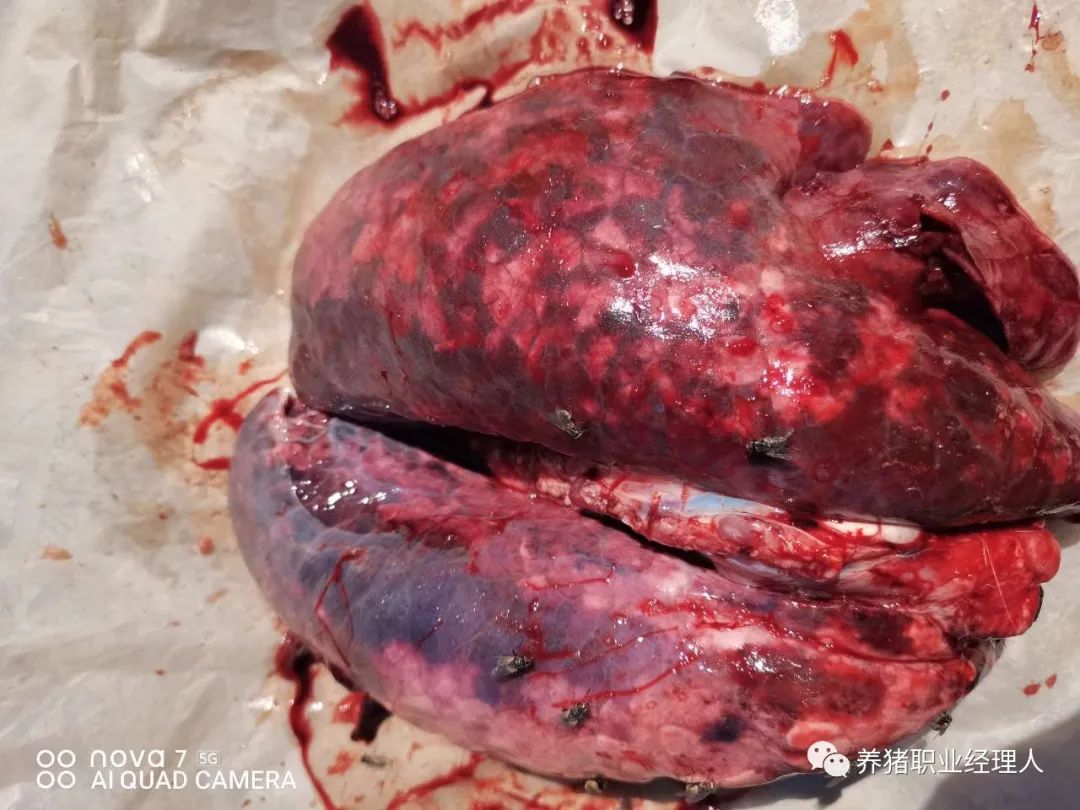
What role do respiratory tract pathogenic microorganisms on pig farms play? (Part 2)
Analysis of the roles of respiratory tract pathogenic microorganisms on pig farms (Part 2)
-
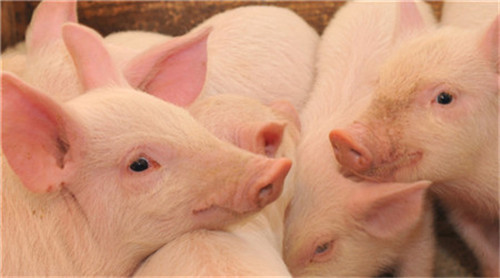
Role Analysis of Respiratory Pathogenic Microorganisms in Pig Farms (Part 1)
Role Analysis of Respiratory Pathogenic Microorganisms in Pig Farms (Part 1)
条件筛选