-
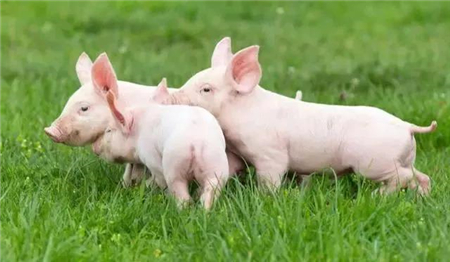
40 million pig farmers don't understand strengthening the body's resistance to dispel pathogenic factors, so what can be done when pig farm problems occur frequently?
40 million pig farmers suffer frequent pig farm problems because they don't understand "strengthening the body's resistance to dispel pathogenic factors" - do you understand it?
-
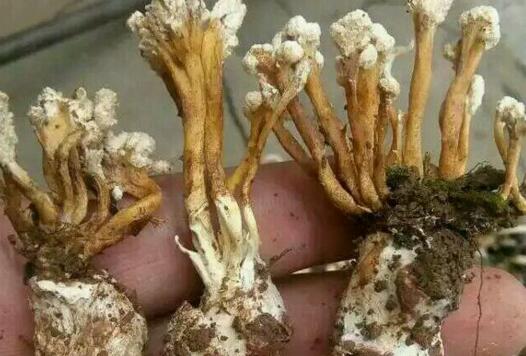
Where Golden Cicada Flower Grows as an Entomopathogenic Fungus, Plus Effective Ways to Eat It and People Who Should Avoid It
Golden cicada flower, commonly known as large cordyceps, is an entomopathogenic fungus; among the 504 species of cordyceps discovered worldwide, golden cicada flower and Chinese cordyceps are just two of them. So, where does golden cicada flower grow? How should it be eaten for the best effect? Who should not eat it? Where does golden cicada flower grow?
-
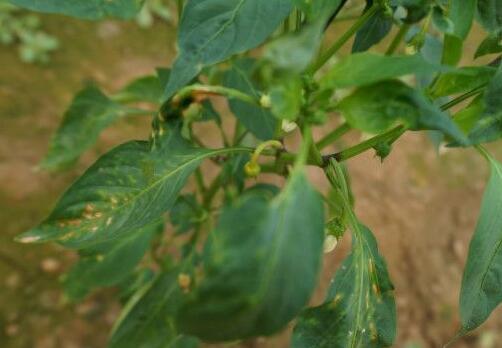
Identification of plant physiological diseases: diagnosis of diseases caused by abiotic pathogens
Identification of plant abiotic pathogens and the diseases they cause (physiological diseases)? During the process of plant growth and development, unsuitable physical factors, chemical factors, air pollution, pesticide toxicity, as well as the plant's own physiological defects or hereditary diseases in the environment can all cause plants to develop diseases caused by abiotic pathogens
-
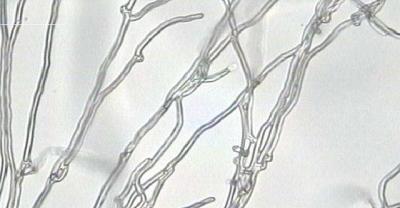
Identification and Control Methods for Non-pathogenic Diseases of Edible Fungi
II. Non-pathogenic diseases. Unsuitable living conditions, improper cultivation management measures, or genetic variation can all cause growth and development disorders and physiological disorders in edible fungi...
-

The Pathogenesis and Control Methods of Peach Tree Gummosis
Peach tree gummosis is a disease commonly occurring on peach trees today, and its incidence is severe. Especially in peach orchards with extensive management and weakened tree vigor, the rate of affected plants can reach over 90%. This disease severely weakens tree vigor, affects yield and quality, and in severe cases leads to dead branches and dead trees, threatening the production and development of peach trees. It is also one of the most troublesome diseases for fruit growers. I. Causes of peach gummosis. There are two causes of peach gummosis: one is non-infectious pathogens, such as gummosis caused by wounds from mechanical injury, pest and disease damage, frost damage, freeze injury, etc., or gummosis caused by physiological disorders of the tree body resulting from extensive management
-
What pathogenic effects does feed contamination have on fish?
Because some feed products currently contain bacteria at levels far exceeding the standard, mass fish deaths occur from time to time after fish eat contaminated feed. Based on the disease symptoms in fish, it can be roughly divided into two types: acute type (explosive) and chronic type. 1. Acute type (explosive type): After fish eat contaminated feed, disease onset occurs in as much as 3 to 5 days, or as little as 1 to 2 days, with symptoms appearing; severely affected fish have already died, and the number of dead fish shows a gradually increasing trend, but feeding is not affected, and most fish can eat normally. This kind of
-
Pathogen, Symptoms, and Prevention and Control Methods of Louping Ill
This is a viral disease that causes inflammation of the brain, hence it is also called encephalitis. The disease occurs mainly in sheep and can occasionally cause illness in goats. It occurs only in mountainous areas with many ticks. 1. Pathogen The pathogen is a flavivirus. The vector is the tick. Ticks infected with the virus can transmit the disease by biting healthy sheep. It can occasionally be transmitted to humans and shepherd dogs. In humans, it manifests as high fever and acute muscle pain, but it does not cause death. 2. Symptoms Sheep: The incubation period is 1 to 3 weeks. After the virus
-
Induced biochemical responses in tea plant leaves after infection by the tea blister blight pathogen
The activities of enzymes such as phenylalanine ammonia-lyase, polyphenol oxidase and peroxidase, as well as the levels of proteins, proline and phenolic compounds in the leaves, were studied after tea plant leaves were infected by the tea blister blight pathogen. The study showed that in diseased leaves the activity of phenylalanine ammonia-lyase decreased, while the activities of peroxidase and polyphenol oxidase increased. Analysis of peroxidase isoenzymes by polyacrylamide gel electrophoresis using benzidine as substrate showed that healthy tea plant leaves had 4 isoenzymes, whereas
-
Detailed Explanation of the Pathogenic Characteristics of Duck Aflatoxin
(1) Production of aflatoxin Aflatoxin, like other mycotoxins, is one of the metabolic products produced by toxigenic fungi during their growth and reproduction in a substrate. This toxin was discovered in 1960 during the investigation of the cause of "Turkey X disease" that affected 100,000 turkeys in the United Kingdom. The following year, it was further found that peanut meal contaminated with Aspergillus flavus could induce liver cancer in rats, confirming that aflatoxin is a carcinogenic mycotoxin. The main fungi producing aflatoxin are specific strains of Aspergillus flavus and Aspergillus parasiticus, while Aspergillus wentii and
-
Detailed Explanation of the Pathogen and Epidemiological Characteristics of Swine Vesicular Disease
This disease is an acute infectious disease caused by the swine vesicular disease virus. Usually, only pigs can be naturally infected by this disease, while other animals such as cattle and sheep are not easily infected, so it can be distinguished from foot-and-mouth disease. The disease is characterized by vesicles on the skin of hairless parts of the pig's body and on the oral mucosa. Vesicles and erosions also occur on the skin of the coronary band, interdigital space, and heel, and around the teats of sows. This disease is widely distributed and spreads rapidly. It was first discovered in Italy in 1966. By the 1970s, after successively becoming epidemic in the United States, Austria, Hungary, and other Eastern and Western European countries, it also occurred in Japan
条件筛选