-

How to prevent and control pests and diseases on desert rose? Ventilation and dryness are the key to prevention
The desert rose does not suffer from many pests and diseases, but when they strike the damage is severe. This article introduces the symptoms and pesticide treatment methods for scale insects, leaf-rolling caterpillars, soft rot and leaf spot, and teaches you to prevent them scientifically with a ventilated, dry environment and sensible watering and fertilising, so you can grow healthy, flowering plants.
-
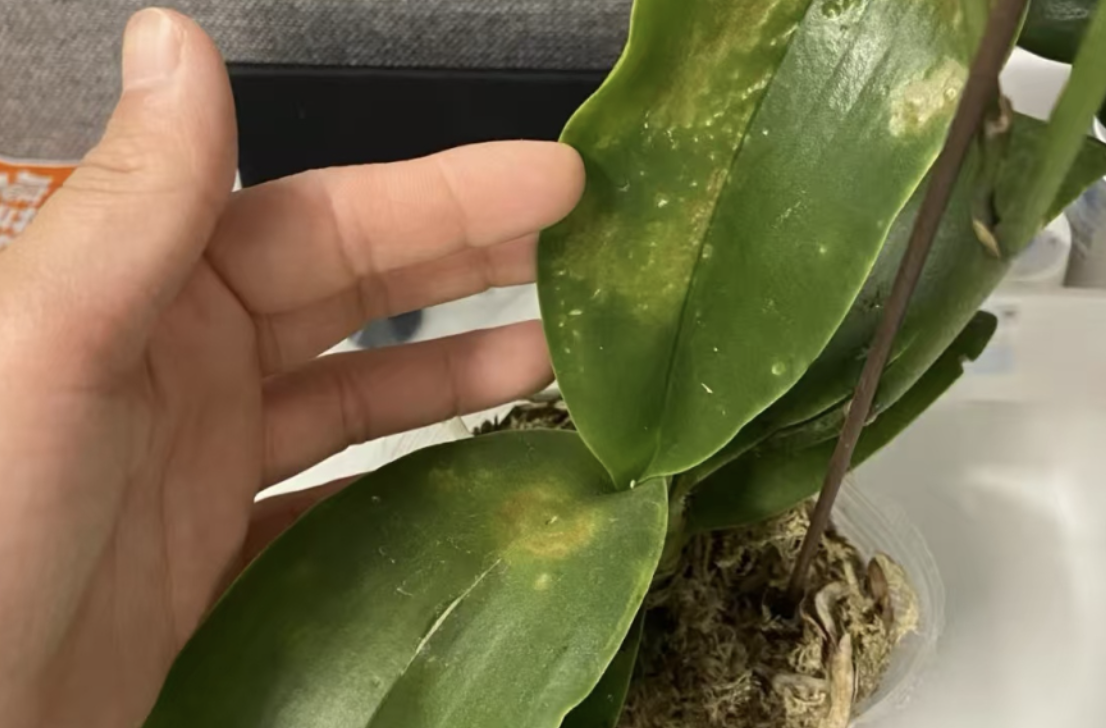
How can soft rot in Phalaenopsis orchids be treated effectively?
The biggest concern when growing plants is placing them in a dark, sunless spot, and this is especially true for the beloved Phalaenopsis orchid. It is a
-
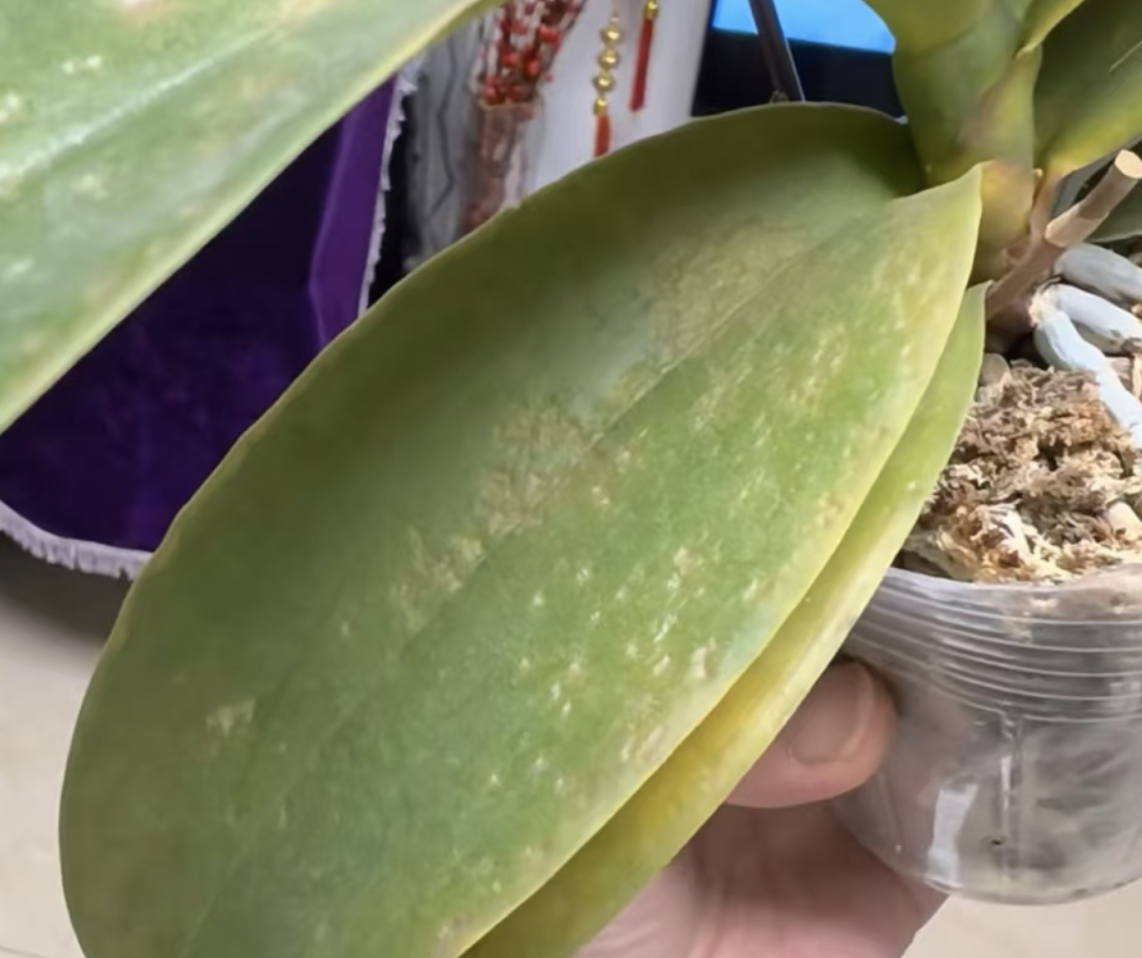
What is the best medication to use for soft rot in Phalaenopsis orchids?
When you first visit a flower market, the stunning array of flowers can be overwhelming, with countless varieties and a wide range of colors, making it easy to
-
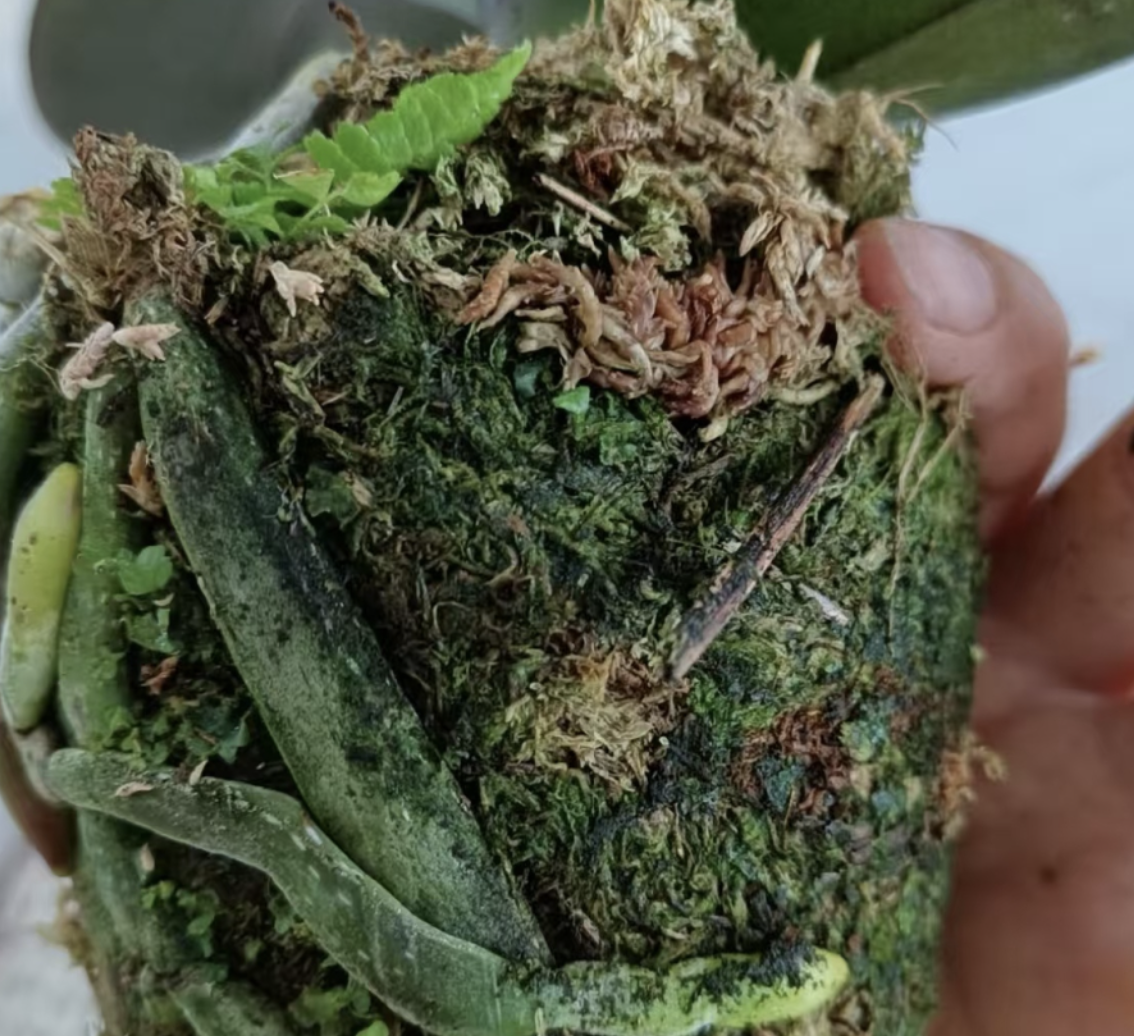
What medication should be used to prevent and treat soft rot disease in Phalaenopsis orchids?
Some people say Phalaenopsis orchids are easy to care for, while others claim they are difficult. So, who is telling the truth? Why does Phalaenopsis require
-

Causes of Phalaenopsis Soft Rot and the Most Effective Treatment Methods
Many flower enthusiasts have experienced this: a perfectly healthy Phalaenopsis suddenly develops soft, sticky leaves, or even oozes pus, which is heartbreaking. So what exactly causes this troublesome soft rot? And what medication can treat it? Why do Phalaenopsis get soft rot? The main culprit is a bacterium called Erwinia, which particularly loves damp and stuffy environments.
-

Solutions and preventive treatments for soft rot in Phalaenopsis leaves
Some people say Phalaenopsis is easy to grow, while others say it is not. So who is telling the truth? Why does Phalaenopsis always have so many situations to watch out for? In fact, every kind of flower has its own characteristics, and as long as you follow the requirements, there is no such thing as not being able to grow it well. And because Phalaenopsis has become a must-buy potted plant for every household in recent years, different growing environments during care will also lead to different problems, rather than Phalaenopsis being the only one with so many things to pay attention to.
-

What is the best fungicide for Phalaenopsis soft rot? Detailed treatment methods
I believe that when you visit a flower market for the first time, as soon as you walk in you will immediately feel the spectacular sea of flowers; each flower has countless varieties of its own, with diverse colors that can simply dazzle you. However, among all kinds of "beautiful" flowers, the one that the most people choose to buy is undoubtedly the "Phalaenopsis" (moth orchid), simply because each pot
-

Signs and Treatment of Soft Rot in Phalaenopsis Orchids
When growing flowers and plants, the worst thing is to place them in a dark spot without sunlight, and this is especially true for the universally adored "Phalaenopsis" orchid. It is a sun-loving plant, but it fears the scorching light of the blazing sun, which is actually similar to human skin. As April arrives, the days begin to grow longer and the nights shorter, and temperatures gradually climb. At this time, the most common issue in Phalaenopsis care
-

Causes of Phalaenopsis soft rot and treatment methods for leaf rot
Today let's talk about the most common "leaf rot" in Phalaenopsis in summer, which some people also call "soft rot" or "water rot". This disease is mainly caused by excessively high humidity, insufficient light, and excessively high summer temperatures. Typical leaf rot mostly occurs on the leaves; if it occurs on the neck, it is called stem rot, and they are all caused by the same factors.
-
Causes and Control Methods of Soft Rot in Clivia
Occurrence and Control of Bacterial Soft Rot in Clivia
条件筛选