-

How to prevent and control Aspergillus disease in reishi mushrooms? A detailed explanation of the latest methods
Aspergillus disease in reishi mushrooms is the most common disease during reishi cultivation, caused by Aspergillus fungi. Aspergillus fungi belong to the genus Aspergillus, family Moniliaceae, order Moniliales, class Hyphomycetes, subdivision Deuteromycotina. There are many species, and the most widespread damaging ones are Aspergillus flavus and Aspergillus niger. Below
-
How to effectively treat autumn gill rot disease in carp
1. Incidence and symptoms In 2005, a total of 8 cages of carp were farmed in Tumenzi Reservoir. From the introduction of fry at the end of April to mid-September, disinfectants were consistently applied externally by splashing or hanging baskets every half month, and medicated bait was fed once every 20 days. Bactericides and insecticides were used alternately
-
What are the prevention and treatment methods for gill rot disease in pufferfish?
[Symptoms of gill rot disease in pufferfish] Diseased pufferfish move sluggishly, have darkened body color, have difficulty breathing, swim slowly in the upper water layer or near the pond edge, and have reduced appetite. When the gill cover is opened, increased mucus on the gill filaments is visible to the naked eye; in severe cases, the tips are decayed and defective, and some gill filaments appear grayish-white, often
-
Prevention and Treatment Methods for Several Gill Diseases in Whiteleg Shrimp (Litopenaeus vannamei) Farming
1. Gill disease caused by Vibrio. Diseased shrimp float and swim slowly on the water surface, with gill filaments slightly swollen and dark gray, showing degeneration and necrosis at the tips. Under high magnification, actively motile bacterial cells can be seen. Ponds where this disease occurs have severely polluted bottom sediment and poor water quality, and the disease peak season is from July to September.
-
The pathogenesis of red gill disease in river shrimp and its prevention and treatment methods
Red gill disease in river shrimp is a disease caused by infection with Aeromonas hydrophila that makes the gills of river shrimp turn red. Red gill disease in river shrimp has caused serious trouble for river shrimp farmers. Below we will look at what red gill disease in river shrimp is all about and how to treat it. Pathogen of red gill disease in river shrimp
-

Causes and Treatment Methods of Koi Carp Gill Rot Disease
Symptoms of gill disease (1) Commonly known as "open skylight", the gill filaments rot and carry mud; in severe cases, the cartilage at the ends of the gill filaments is exposed, the inner epidermis of the operculum is congested, and the central epidermis is often corroded into a round transparent small hole. (2) Gill mold disease caused by fungi: the gills of diseased fish appear pale...
-
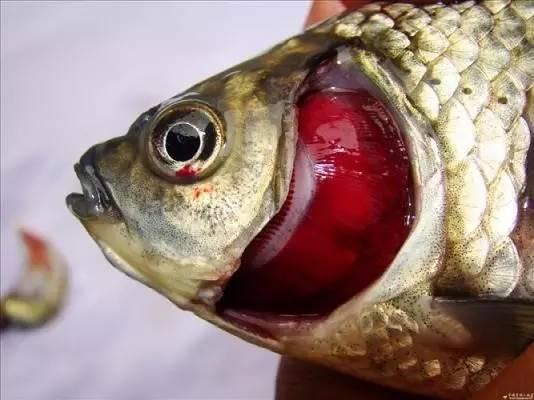
What are the treatment recommendations for big red gill disease in fish?
Fish Dada Classroom, the aquculture university without walls ◆◆◆ 1. The pathogen, symptoms, epidemiology and diagnosis of big red gill disease 01 Pathogen The pathogen of big red gill disease has not yet been confirmed...
-
Symptoms and Treatment Methods for Gill Curling, a Common Disease in Fish
The arowana is a very beautiful ornamental fish, but it is very prone to gill curling, which is the rolling up of the soft tissue at the end of the gill cover. Although this disease is not fatal, it affects the fish's appearance, so it must be treated. The main cause of gill curling in arowanas is water quality problems, often caused by insufficient dissolved oxygen in the water and improper water changes leading to difficulty breathing in the arowana. The first solution is to improve the aquarium's filtration system to increase the dissolved oxygen in the water; the second is to install a wave-making pump in the aquarium to strengthen the water flow speed inside the tank,
-
Control Methods for Bacterial Gill Rot Disease (Flexibacteriosis) in Koi
I. Symptoms: The gills of diseased fish rot and carry some sludge. Sometimes the tissue at the tips of the gills rots, causing the gill edges to become incomplete and ragged; sometimes one or more spots on the gills rot, but not at the edges. The inner membrane skin of the operculum (gill cover) becomes congested, and sometimes breaks down and corrodes into a roughly circular transparent area, commonly known as "open skylight." Because the gill tissue is destroyed, the diseased fish has difficulty breathing and often swims near the water surface in a floating-head manner. In severely affected fish, the floating-head phenomenon persists even after changing to clean water. II. Pathogen: Cytophaga columnaris (columnar flexibacterium), synonym: Myxococcus piscicola.
-
Symptoms and Control Methods of Aspergillus Disease in Lingzhi (Ganoderma lucidum)
Aspergillus belongs to the Deuteromycotina, Hyphomycetes, Moniliales, Moniliaceae, genus Aspergillus. There are many species of Aspergillus, and the most widespread harmful ones are Aspergillus flavus (A. flavus Link) and Aspergillus niger (A. niger Van Tieghem). 1. Morphological characteristics: The hyphae are colorless, septate and branched, shorter and thicker than those of Mucor. The conidiophores arise from specialized thick-walled swollen foot cells of the hyphae, unbranched, with the apex swelling into a vesicle. The surface of the vesicle produces radial
条件筛选