Role Analysis of Respiratory Pathogenic Microorganisms in Pig Farms (Part 1)
Role Analysis of Respiratory Pathogenic Microorganisms in Pig Farms (Part 1)
Porcine respiratory disease complex (PRDC) occurs more frequently in nursery pigs (<25公斤)和育肥猪(>25 kg). The occurrence of PRDC generally begins with infection during the suckling stage (especially when young sows carry pathogens that have not been well cleared before mating, thereby vertically transmitting them to piglets), or it can be infection during the nursery stage. In the early stage of infection, several viruses may be concurrently involved (PRRSV, PCV2, CSFV, PRV, etc.). These viral infections may be congenital infections (some weak piglets carry the virus at birth) or later horizontal infections, and often under improper management measures or driven by secondary bacterial pathogens, they jointly cause respiratory disease complex.
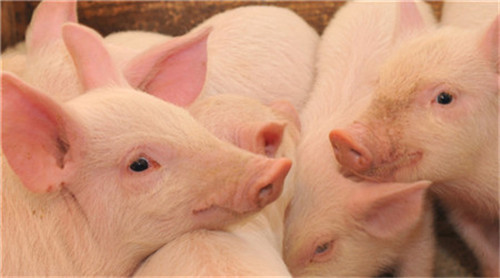
The “time bombs” of porcine respiratory disease complex: circovirus and blue-ear disease
Just how harmful is porcine circovirus (PCV2) to pig farms? From a serological point of view, PCV2 is already epidemic worldwide. Research data show that the PCV2 seropositive rate is very high, pigs generally carry the virus, and in some stages the pig herd can reach 100%. In laboratory artificial challenge models, it has also been found that inoculation with PCV2 alone can only cause mild or inconspicuous clinical symptoms, mainly long-term virus carriage in the lymph nodes of pigs, and does not produce serious production losses. This situation means that if other pathogenic bacteria act synergistically, circovirus and the healthy pig body can coexist harmoniously, and the impact on the pig body is also limited.
Porcine reproductive and respiratory syndrome (PRRS) virus can form persistent infections and latent infections. Its seropositive rate is comparable to the circovirus seropositive rate, and virus carriage is also relatively common. Once a pig farm is infected with PRRS, it is very difficult to eradicate. However, its biological characteristics differ from those of circovirus. Porcine reproductive and respiratory syndrome (PRRS) virus places great emphasis on biological balance. When vaccinating against blue-ear disease, antibody-dependent enhancement (ADE) often causes massive virus replication and changes the naturally formed stable system. Therefore, if a pig farm vaccinates with attenuated live blue-ear vaccine for the first time, there will be some fluctuations, but subsequent vaccinations will be relatively stable. If biosecurity is implemented very thoroughly and no blue-ear vaccine is administered, porcine reproductive and respiratory syndrome virus will also naturally form a stable equilibrium state. As long as this balance is not broken, the impact on production is basically not very great. If breedingsowsare frequently introduced from outside, the pig farm can very easily break this balance. This is also the reason why these two pathogenic microorganisms are defined as “time bombs”. Although every pig farm has time bombs, if the cooperation of the “igniter” is lacking, the harm of the time bombs is not so terrifying!
The “goalkeeper” of porcine respiratory disease complex: atrophic rhinitis
Bordetella bronchiseptica (Bb) mainly colonizes the cilia of the pig respiratory tract mucosa. When infecting an SPF pig herd, it is often the first infectious agent. Bb first colonizes and adheres to the ciliated epithelial cells, then proliferates on the mucosal surface and produces toxins, leading to inflammation, hyperplasia and ciliary shedding of the mucosal epithelial cells. Only early infection with Bordetella bronchiseptica can produce severe lesions. Pasteurella multocida (Pm) has two main serotypes: type A and type D, among which type A is mostly the bacterial pneumonia type, and type D is mostly the atrophic rhinitis type. Pasteurella multocida mostly colonizes the tonsils and grows in the semi-fluid mucus on the nasal mucosa rather than on the nasal epithelium. Whether type A or type D strains of Pasteurella multocida, under normal circumstances it is very difficult for them to colonize and proliferate on the nasal mucosa of healthy pigs, so this bacterium generally does not colonize the nasal cavity unless the nasal mucosa has already been damaged. Bordetella bronchiseptica, porcine cytomegalovirus and other factors (such as when high concentrations of ammonia and dust in the pig farm cause severe irritation and damage to the nasal mucosa) can cause nasal mucosal damage, so that Pasteurella multocida can establish infection in the pig nasal cavity, produce toxins and cause lesions, resulting in progressive atrophic rhinitis.
Because the infection rate of Bordetella bronchiseptica in pig herds is very high, basically close to 100%, during the suckling piglet stage, Bordetella bronchiseptica will first be infected. In the pathogenic process, Bordetella bronchiseptica plays a leading role, and Pasteurella multocida makes the disease more severe. Because Bordetella bronchiseptica infection can damage the nasal mucosa, it enables toxigenic strains of type D Pasteurella multocida to colonize the nasal cavity. In this way, the toxin of type D Pasteurella multocida can destroy the nasal turbinates and alter bone growth, causing changes in the nasal cavity microenvironment and providing the necessary conditions for the massive proliferation of other common nasal cavity bacteria (Mycoplasma hyopneumoniae).