-
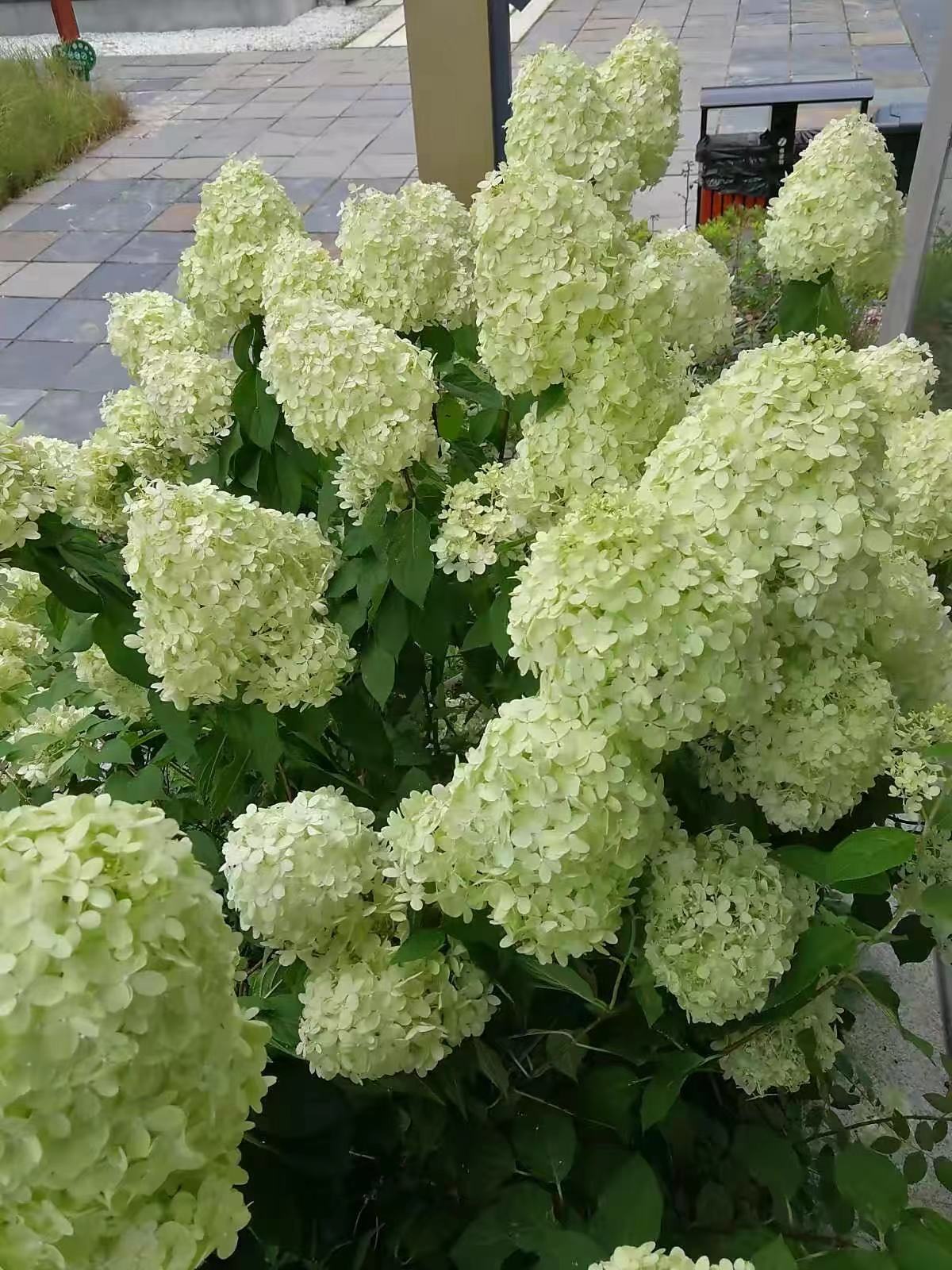
What to do if the leaf margins of Hydrangea paniculata are scorched?
The flower language of Hydrangea paniculata is "hope". Hydrangea paniculata also has certain symbolic meanings in traditional Chinese culture, representing
-
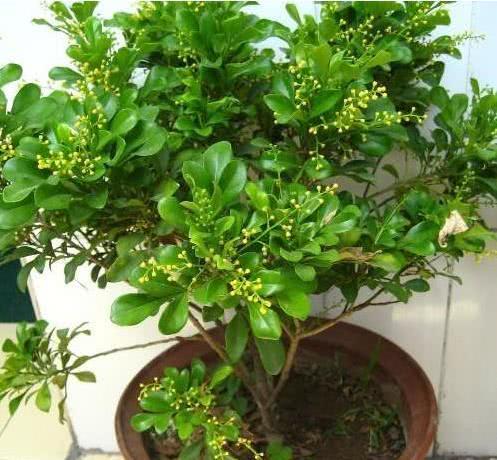
Quick identification methods for Aglaia odorata, Murraya paniculata and boxwood
When it comes to the three plants Aglaia odorata, Murraya paniculata and boxwood, people with some knowledge of plants may not find it hard to tell them apart, but for most people, especially those who know nothing about plants, they may be hopelessly confused. In fact, Aglaia odorata belongs to the genus Aglaia in the Meliaceae family...
-

How to grow orange jasmine (Murraya paniculata)? A brief guide to growing this natural perfume plant
Natural perfume plant: a brief guide to growing orange jasmine
-

Nine-leaved Orange (Murraya paniculata) Bonsai Care Methods and Daily Management Tips
Murraya paniculata is a subtropical tree species, distributed in the southern and southwestern regions of China. It prefers sunny, warm and humid climates, is slightly shade-tolerant, and fears cold. It is suitable for cultivation in deep, fertile, loose, well-drained soil. It has strong sprouting ability and tolerates pruning well. Young branches have obvious axillary buds, and old branches have many adventitious buds.
-
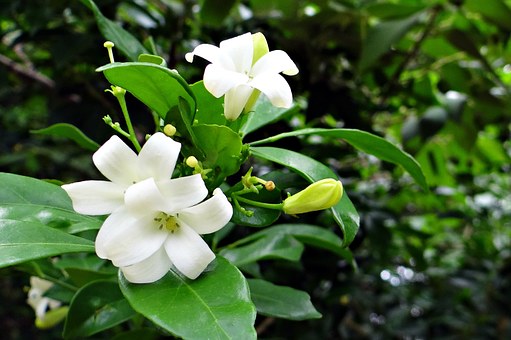
Is orange jasmine (Murraya paniculata) toxic? A detailed guide to flowering time and care methods for promoting blooms
Orange jasmine (Murraya paniculata), also known as Qianli xiang, Wanli xiang, Jiuqiu xiang and Jiushu xiang, is a common small tree of the Rutaceae family in southern China. It is highly favoured by people for its long flowering period, rich fragrance and evergreen foliage
-
How to grow Murraya paniculata (orange jasmine)? Keep these precautions in mind
How to grow Murraya paniculata and what precautions to take
-
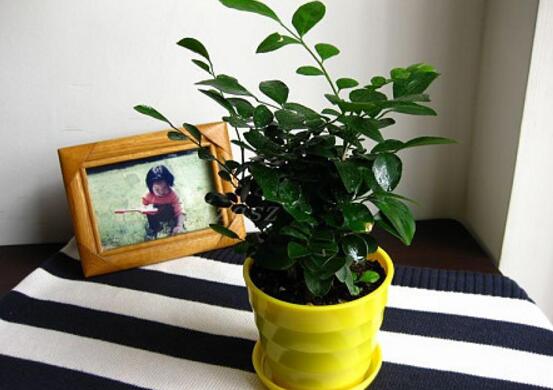
How to propagate Murraya paniculata? Three propagation methods, with layering offering a high survival rate
Murraya paniculata, an ornamental plant with a graceful form and a rich floral fragrance, is deeply loved by gardening enthusiasts. And because Murraya paniculata has many effects and uses, especially its medicinal value in treating various diseases, it has been widely propagated. So how do you propagate Murraya paniculata? According to what I know
-

A Detailed Guide to Controlling Common Diseases of Andrographis paniculata
Control of Common Diseases of Andrographis paniculata
-
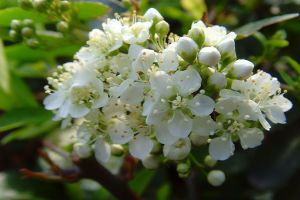
What to do when Murraya paniculata (orange jasmine) has root rot? Teach you the correct way to handle it
After a plant develops root rot, it triggers a series of problems, so it must be prevented and treated promptly. First, take the plant out of the pot, trim off the rotten roots and disinfect the root area. Then, replant it and cover the roots with a layer of fine river sand. After that, place it in a shady spot. Care in the later stage is also important, and water is the most important part. Strictly control watering at the roots, but you can spray some water on the surface of the leaves. After one week, also move it to a bright spot for about one hour every day. After thirty to forty days, it will be able to recover.
-
Can compound fertilizer be applied to Murraya paniculata (orange jasmine) during its blooming period? Fertilization precautions
Can compound fertilizer be applied to Murraya paniculata during its blooming period?
条件筛选