-

Differences Between Fowl Plague and Fowl Cholera and How to Tell Them Apart
When fowl cholera is epidemic, chickens, ducks and geese often become ill and die at the same time, whereas Newcastle disease affects only chickens. Symptoms: In acute cases of fowl cholera the crop is full of food, whereas in Newcastle disease it is full of gas and fluid; chronic cases show nervous symptoms such as a twisted head and neck, while fowl cholera has no nervous symptoms and a short course. Necropsy: In fowl cholera a large amount of pale yellow fluid accumulates in the pericardial sac, with hemorrhage on the epicardium and grayish-white necrotic spots on the surface of the liver, and yellow caseous exudate is often found on the surface of the air sacs and intestines; whereas in Newcastle disease the liver has no necrotic spots,
-
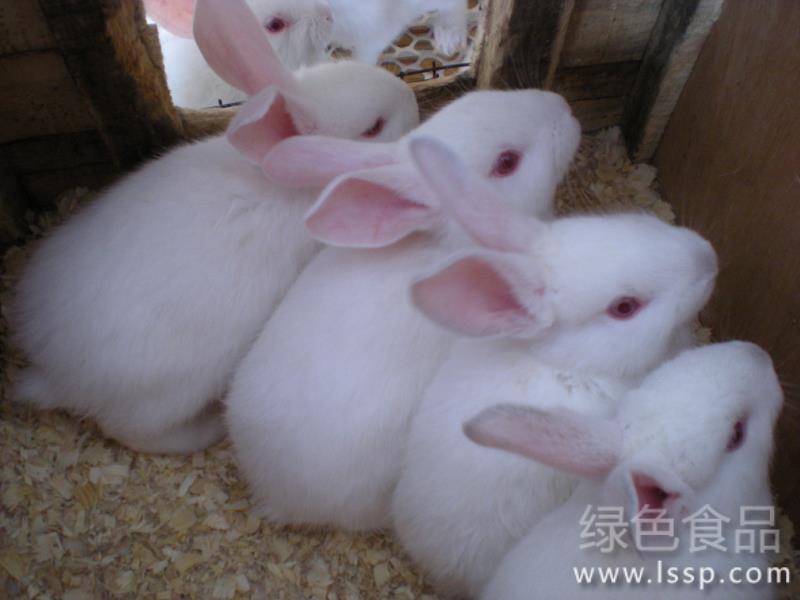
Angora rabbits cannot tolerate high summer temperatures; how can summer management be done well?
Summer heat is unsuitable for Angora rabbits; how can summer management of Angora rabbits be done well
-
What types of lesions does duck cholera cause?
Duck cholera mainly presents as septicemic pathological changes, with grossly visible manifestations of petechial hemorrhages on the serous membranes and mucous membranes. The liver surface has pinhead-sized, grayish-white necrotic spots with neat edges; the spleen is enlarged with necrotic spots of varying sizes on its surface; hemorrhage in the coronary sulcus, endocardium, and epicardium and pericardial effusion; pulmonary congestion and hemorrhage; hemorrhage in the duodenal and rectal mucosa, and hemorrhage on the surface of the intraperitoneal, gastric, and mesenteric fat. 1. Peracute type The peracute type dies quickly, and necropsy shows no obvious pathological changes. 2. Acute type Acute dis
-
Practical Comprehensive Prevention and Treatment Techniques for Goose Cholera Explained
Goose cholera is on the rise in China, and many farmers neglect prevention and treatment, resulting in serious losses. The disease is an acute septicemic infectious disease caused by Pasteurella multocida; it occurs mostly in winter and spring, affects adult geese more than young geese, and when prevention and treatment are not timely the mortality rate is 80%-95% or more, with devastating losses being not uncommon. Damp, dark and crowded goose houses, sudden climate changes, vitamin deficiency, malnutrition, and internal and external parasitic infections can all trigger the disease. I. Epidemiology and Symptoms This disease is a common infectious disease of chickens, ducks, geese, poultry and birds.
-
Dianthus acicularis is an excellent drought-tolerant, water-saving groundcover plant
Most parts of northern China are resource-based severely water-scarce regions, with per capita water resources of less than 300 cubic meters, only 1/8 of the national average, and far below the international water-scarcity threshold of 1,000 cubic meters per capita. With the vigorous development of landscaping, water consumption for greening is growing ever larger, and this contradiction with the scarce water resources of northern China is becoming increasingly prominent. Dianthus acicularis has good drought tolerance and is an excellent water-saving plant material in landscaping. According to calculations, Dianthus acicularis consumes only 0.
-
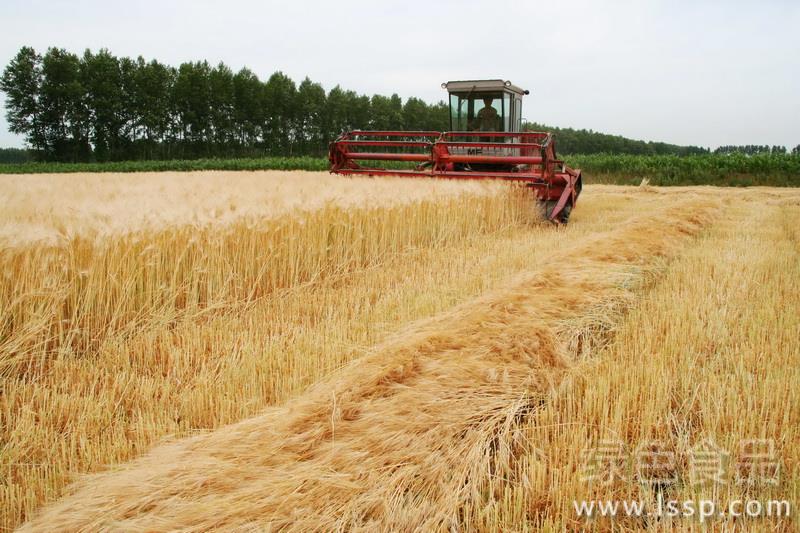
High-yield cultivation techniques for barley with drought resistance, cold tolerance and wide adaptability
High-yield cultivation techniques for barley with drought resistance, cold tolerance and wide adaptability
-
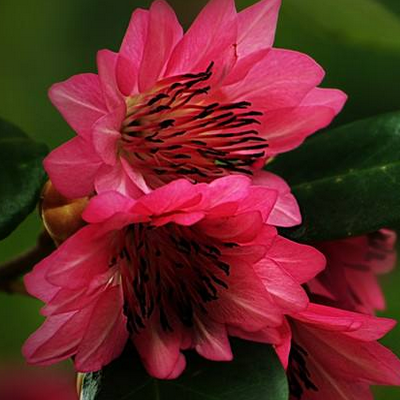
Red Lotus Rhodoleia: Minimum Cold Tolerance, Cutting Propagation Methods and Flower Language Explained
The Red Lotus Rhodoleia plant is generally planted in gardens and also cultivated as a landscape plant. So what is the lowest temperature the Red Lotus Rhodoleia can tolerate? How do you propagate Red Lotus Rhodoleia from cuttings? What is the flower language of Red Lotus Rhodoleia? Minimum cold tolerance of Red Lotus Rhodoleia: a neutral-to-shade-tolerant tree species, young trees tolerate shade, and once mature it prefers more light
-
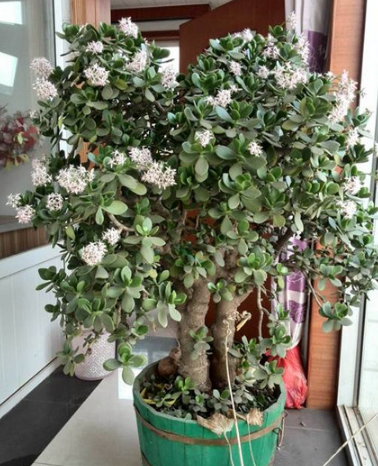
Which drought-tolerant plants won't die even if you don't water them for a month?
Often it's not that you're bad at caring for plants, but that the plant you chose isn't right for you. For example, if you're so busy with work every day that your feet barely touch the ground, a pot of pennywort will surely dry up and die; and if your home doesn't get enough light, a pot of succulents will surely grow leggy. How to choose a flower that suits you is quite a subject.
-
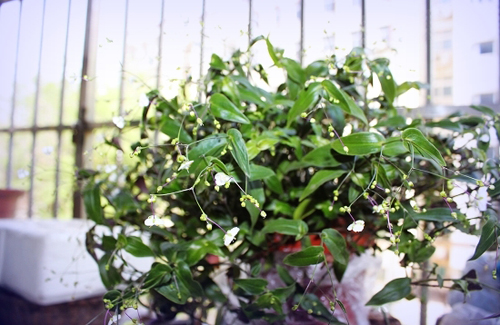
How to grow Bridal Veil Spider Plant: Avoid direct sunlight, not shade-tolerant
Bridal Veil Spider Plant originates from Korea. Its small leaves are tender green and glossy, with purplish-red undersides; its stems are jointed, slender and soft; its small white flowers are upright and borne gracefully. Because of this it is often used as a wedding flower, so below we will explain how to grow Bridal Veil Spider Plant. Bridal Veil Spider Plant growing habits: prefers high temperature and high humidity, diffused light environment
-
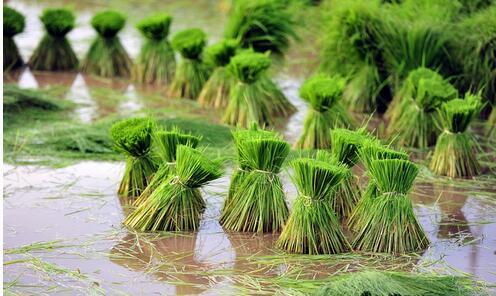
Yellow River wetland rice fragrance: alkali-tolerant rice brings wealth in Togtoh
Yellow River wetland rice fragrance: alkali-tolerant rice brings wealth in Togtoh
条件筛选