-
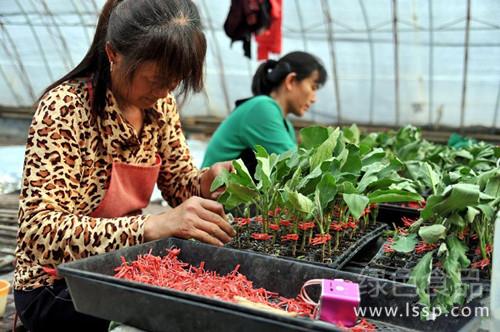
Key points of eggplant grafting seedling technology: avoid soil-borne diseases, high yield
Can avoid soil-borne diseases, high yield: key points of eggplant grafting seedling technology
-
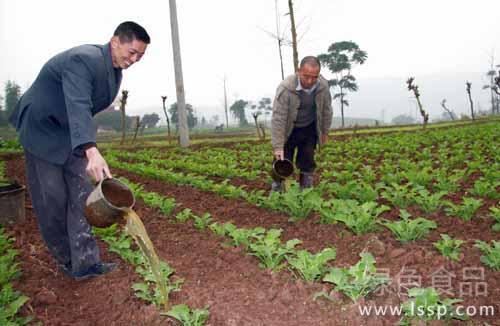
Five Benefits of Using Organic Fertilizer to Improve Soil and Increase Yield
Five Benefits of Using Organic Fertilizer to Improve Soil and Increase Yield
-
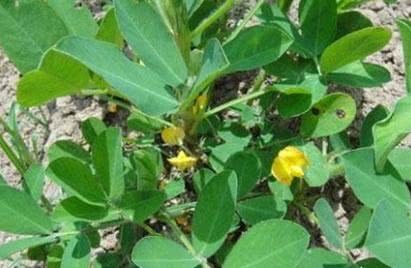
Peanut bacterial wilt is a soil-borne disease and a major cause of peanut yield reduction.
Peanut bacterial wilt is a common disease in peanut cultivation. Once it strikes, it causes peanut plants to wither and die rapidly, and the incidence rate is high, with up to 50% of plants infected by the pathogen, making it a major factor in peanut yield reduction. For the...
-
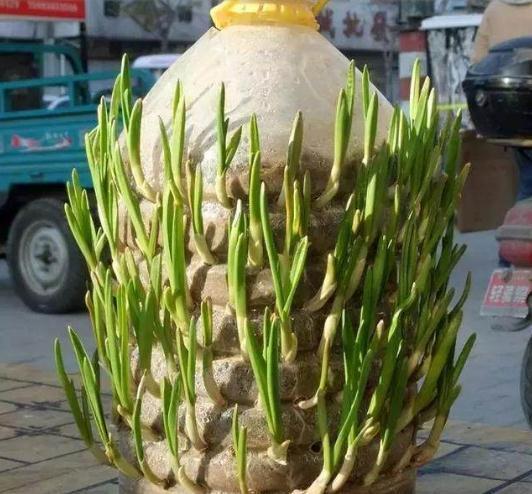
Growing garlic sprouts in empty oil drums, a clever way to reuse waste, one drum yields 2 jin and you can't eat it all
Potted flowers and potted vegetables - there isn't much difference between the two. Anyone who loves growing flowers has surely potted some fruit or vegetable seedlings at some point, right? Everyone who has grown vegetables in pots loves life, because this thing can...
-
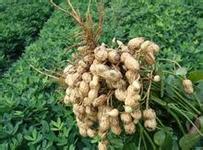
What kind of soil conditions do peanuts need for high yields?
(1) Deep full soil layer. For a high-yield field, the full soil layer should be more than 50 cm deep. 99% of the peanut root system is distributed within 50 cm, while the main root reaches deep, more than 1 m down, so a deep soil is very important for the growth and development of the peanut root system. (2) Loose and active cultivated layer. A thickness of 30 cm is the loose, active and fertile cultivated layer, and...
-
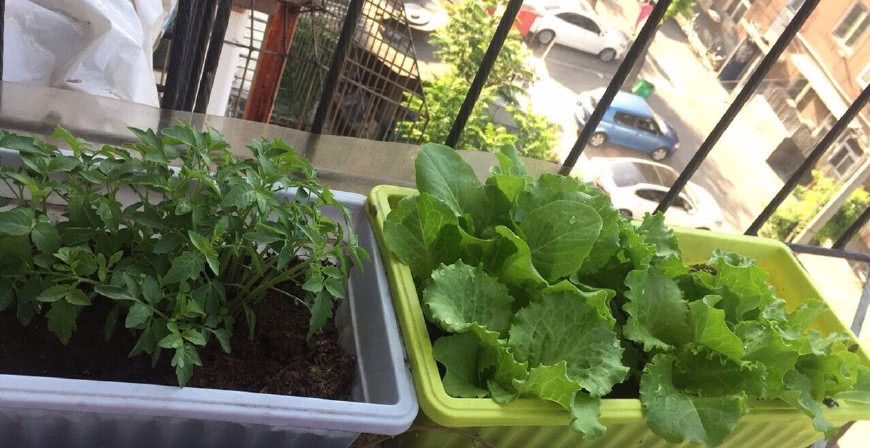
Growing vegetables on the balcony using cola bottles and empty oil drums as pots, they grow vigorously and yield a lot
It's autumn, the temperature is cool and suitable, and it's once again the season when flowers, plants and vegetables grow vigorously. Growing some vegetables at home now, they sprout relatively quickly and grow fast too, and the lush green look makes people feel great. Growing some vegetables, you can eat while...
-
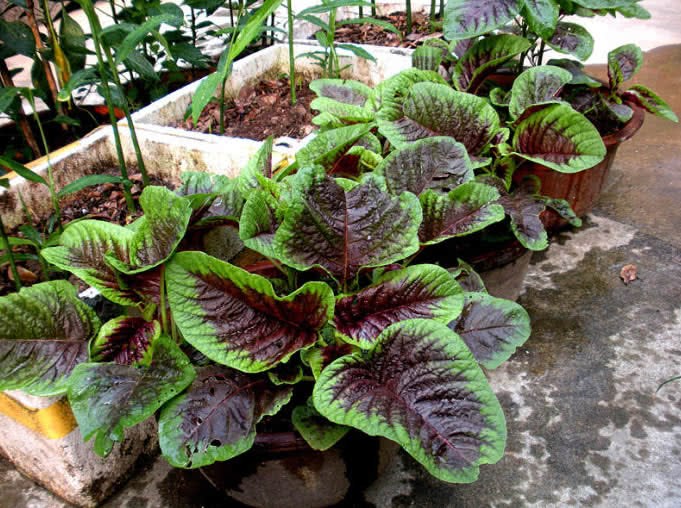
This vegetable is rich in calcium and as nutritious as eggs; it grows as soon as it touches soil, and a scattering of seeds yields a whole patch.
The first time I ate amaranth, it was stir-fried plain. When it was brought to the table, I saw that its juices were actually red, and it had even dyed the garlic cloves in it red. To be honest, I hesitated for half a minute before eating it, but after tasting it I found the flavor was really quite good, and I just loved...
-

Why oyster mushroom logs grown with casing soil produce high yields
Bagging and inoculation: Select fresh cottonseed hulls, add 1% gypsum, 1% lime and 0.10% carbendazim, with a material-to-water ratio of 1:1.3-1:1.5. After mixing evenly, pile on a concrete floor to ferment for 3-5 days, then bag. When bagging, first tie one end of the material tube firmly, add a small amount of spawn, then when the material fills half the bag, sow 5-6 pieces of spawn the size of red dates at the edges of the material, then continue filling with material; once the bag is full, sprinkle a layer of spawn on the surface of the material and tie the bag opening firmly. Arranging bags for mycelial growth: The method of arranging bags for mycelial growth
-
Spraying oyster mushrooms with cooled boiled water can significantly increase yield
Spraying cooled boiled water at different stages of oyster mushroom fruiting can increase the biological conversion rate by 33%, and oyster mushrooms sprayed with cooled boiled water flush faster, fruit evenly, and have thick, plump caps. After the oyster mushroom mycelium has fully colonized, remove the plastic film and spray the mushroom bed and the surrounding walls once with cooled boiled water so that the relative air humidity reaches 80-85%; when coral-like primordia appear in large numbers, as the fruiting bodies gradually grow, spray cooled boiled water 3-5 times a day to raise the air humidity to 95%. When spraying, use a fine mist; do not irrigate heavily, so that standing water does not cause mushroom death
-
What kind of soil standards do high-yield rice require?
(1) Distinct profile horizons, deep plough layer, good texture. For high-yield rice, a plough layer depth of about 20 cm is best. The plough layer should be fertile, thick and soft, with a high aggregate content, good structure and aeration, and suitable tillage properties. If the plough layer is too shallow, rice roots develop poorly; if too deep, floating mud forms easily, which is unfavourable for rice rooting and early growth. The texture should be moderate, neither too sandy nor too clayey: when dry-ploughed, the plough does not turn up large clods and the soil breaks up easily under harrowing; when wet-ploughed, it does not settle into a hard pan; when drained and dried, it does not crack widely, and the cracks close up easily after re-flooding.(2) Organic
条件筛选