Five Benefits of Using Organic Fertilizer to Improve Soil and Increase Yield
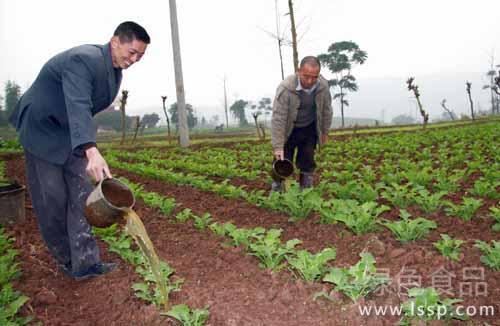
Farmyard Manure Application
Organic fertilizer, commonly known as farmyard manure, refers to a slow-release fertilizer containing large amounts of biological matter, animal and plant residues, excreta, biological waste and other substances. Organic fertilizer not only contains the major elements and trace elements essential to plants, but is also rich in organic nutrients, making it the most comprehensive fertilizer. The role of organic fertilizer in agricultural production is mainly manifested in the following aspects:
1. Improving soil and building soil fertility
After organic fertilizer is applied to the soil, organic matter can effectively improve the soil's physical and chemical conditions and biological characteristics, mature the soil, and enhance the soil's capacity to retain and supply nutrients as well as its buffering capacity, creating good soil conditions for crop growth.
2. Increasing yield and improving quality
Organic fertilizer is rich in organic matter and various nutrient elements, providing nutrition for crops. After organic fertilizer decomposes, it provides energy and nutrients for soil microbial activity, promotes microbial activity, and accelerates the decomposition of organic matter. The active substances produced can promote crop growth and improve the quality of agricultural products.
3. Improving fertilizer use efficiency
Organic fertilizer contains many nutrients but at relatively low concentrations and releases them slowly, while chemical fertilizer has a high nutrient content per unit, fewer components, and releases quickly. When the two are applied together in a reasonable combination, they complement each other, and the organic acids produced by the decomposition of organic matter can also promote the dissolution of mineral nutrients in the soil and in chemical fertilizers. Organic fertilizer and chemical fertilizer promote each other, which is conducive to crop absorption and improves fertilizer use efficiency.
4. Improving drought resistance and waterlogging tolerance
After organic fertilizer is applied to the soil, it can enhance the soil's water storage and retention capacity, and under drought conditions, it can improve the drought resistance of crops. After applying organic fertilizer, it can also increase soil porosity, making the soil loose, improving the ecological environment of the root system, promoting root development, and improving the waterlogging tolerance of crops.
5. Reducing environmental pollution and improving urban and rural sanitation conditions
Organic matter, especially human and livestock manure and waste, contains large amounts of pathogenic bacteria and insect eggs. If not treated in time, it will spread pathogens, increase the concentration of ammoniacal, nitrate and soluble organic nitrogen in groundwater, and cause eutrophication of surface water and groundwater, deteriorating environmental quality and even endangering the survival of organisms. Therefore, the rational use of these organic fertilizers can reduce environmental pollution.