This vegetable is rich in calcium and as nutritious as eggs; it grows as soon as it touches soil, and a scattering of seeds yields a whole patch.
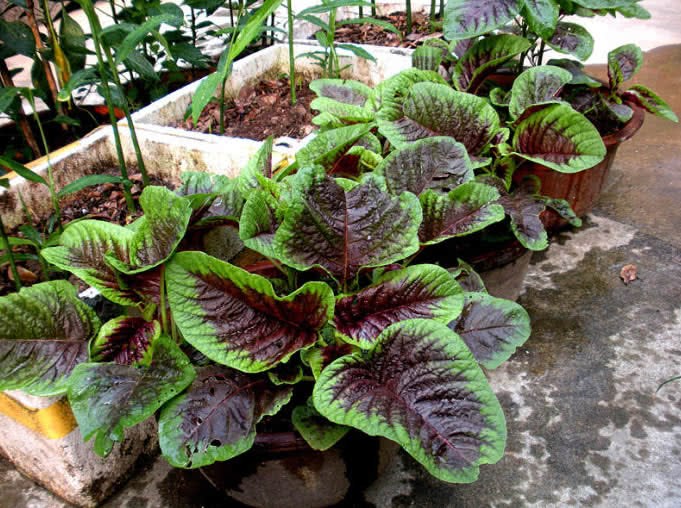
The first time I ate amaranth, it was stir-fried plain. When it was brought to the table, I saw that its juices were actually red, and it had even dyed the garlic cloves in it red. To be honest, I hesitated for half a minute before eating it, but after tasting it I found the flavor was really quite good, and I fell in love with eating amaranth.
Amaranth is a vegetable we often eat in summer. Some are green-leaved, some are dark red. It naturally contains a natural pigment called amaranth red, and once it is cooked, it naturally shows up before our eyes.
There is a saying, "June amaranth beats eggs," meaning this vegetable is very nutritious, comparable to eggs. In fact, it truly is nutrient-rich, containing abundant calcium, protein, and vitamins, which are good for our bones and teeth.
Amaranth is very easy to grow. Basically, scatter a handful of seeds and you can harvest a whole patch. Growing it in pots is also a good choice. It grows fast, tolerates high temperatures and drought, and has few pests and diseases, making it very simple to care for. Besides eating it as a vegetable, you can also grow it as a potted plant to enjoy.
Potted amaranth is generally sown directly. Just choose non-sticky soil; you can mix some sand into garden soil so it is more breathable, then level the soil surface and water it thoroughly, scatter the seeds, and cover with a thin layer of soil. It will sprout in about 4 or 5 days.
It does not matter if your home has poor light. It is a short-day vegetable. As long as the temperature is around 24°C, it will grow quickly. After that, water when the soil is dry and keep it moist with frequent light watering. When the amaranth grows to about 18 cm, you can pick it to eat, and afterward you can still harvest several more rounds, so the yield is relatively high.