-

Short-log sterilized-substrate cultivation techniques for reishi (Ganoderma lucidum)
Short-log sterilized-substrate cultivation is a new reishi cultivation technique that has developed rapidly in recent years. On average, each cubic meter of wood yields more than 20 kg of dried reishi, with high yields reaching more than 30 kg, an increase of 20% over conventional cultivation methods. The reishi is firm and thick in texture with a glossy surface, and its acid content is higher than that of bag-cultivated reishi. More than 90% of the product meets export requirements. 1. Cultivation season: Reishi is a medium-to-high temperature type fungus, and its yield is related to the tree species of the logs, the cultivation time and the cultivation technique. Inoculation time can be arranged from late October to December, or from early February to
-
High-yield Cultivation Techniques for Lingzhi (Ganoderma lucidum) Grown on Sterilized Linden Wood Logs
I. Production Season: Based on the suitable temperatures for the growth of lingzhi mycelium and fruiting bodies, in both northern and southern regions, wood can be felled in early December of the lunar calendar, cut and bagged in mid-December, sterilized, and inoculation completed by late December. Around Qingming (Tomb-Sweeping Day) of the following year, the logs are buried in the field, and 2-3 batches of lingzhi can be harvested that same year. However, felling must not be later than Qingming, because wood felled after Qingming has high moisture content, the bark tends to fall off, and nutrient loss makes it unsuitable for production. Logs inoculated around Qingming can only produce 1-2 batches of lingzhi that year. II. Wood Requirements: All tree species suitable for log cultivation of shiitake mushrooms and wood ear mushrooms can be used
-
Detailed Explanation of Key Points of Ganoderma lucidum Bag Cultivation Techniques
For artificially cultivated Ganoderma lucidum, timely harvesting allows its active ingredients to be better preserved. The artificial bag cultivation techniques are introduced as follows: 1. Cultivation season Generally, fungus bags are produced in March, soil covering and mushroom emergence begin at the end of April, the first flush of Ganoderma lucidum can be harvested at the end of May, and the whole year's cultivation ends by the end of September. 2. Preparation of culture substrate Ganoderma lucidum mycelium is not suitable for growing on a single raw material; it must be combined with a certain amount of nitrogen fertilizer and sufficient carbohydrates to grow vigorously. According to local resources, hard-textured waste wood can be selected, sliced, and crushed as the raw material. General formula
-
Detailed explanation of the key points of Lingzhi (Ganoderma lucidum) production technology, master the key cultivation steps
In recent years, bag-cultivated Ganoderma lucidum has been widely promoted. The author has summarized many years of Ganoderma lucidum production practice, and now introduces several key production technology points as follows: 1. Choose a suitable cultivation period: In Taizhou City, Jiangsu Province, the most suitable cultivation period for Ganoderma lucidum is from April 10 to May 10, and after May 20 the bags are opened one after another for mushroom emergence. June to July each year is the plum rain season, therefore, it is necessary to ensure that all bags are opened for mushroom emergence before June 10, so that the growth of Ganoderma lucidum fruiting bodies can be in a high-temperature and high-humidity environment, thereby achieving high and stable yields. 2. The culture material must
-
What is the Ganoderma disease pathogen Peziza badia?
Peziza badia Pers. belongs to the subdivision Ascomycotina, class Discomycetes, order Pezizales, family Pezizaceae, genus Peziza. 1. Morphological characteristics The apothecium is bowl-shaped, sessile, dark brown, 3-6 cm wide. The upper part of the ascus is cylindrical, gradually tapering downward into a stalk. The spores are arranged in a single row in the upper part of the ascus, elliptical, with obvious small protrusions. The paraphyses are pale yellow. 2. Disease occurrence pattern (1) Transmission route The spores are spread by airflow and wind, and can also be introduced with the culture substrate and casing soil to cause the disease. (
-
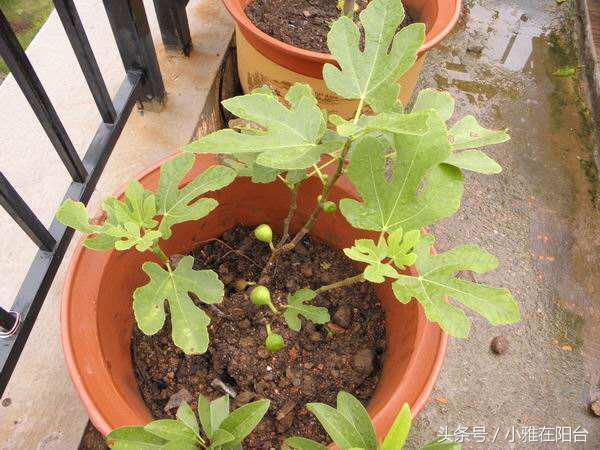
Getting few figs? Master this trick and the branches will be loaded with fruit, one fig per node
Figs taste sweet and delicious and are very nutritious, and they are even said to help prevent cancer. In fact, we can grow a potted fig ourselves at home, on a balcony or terrace. The method is simple, and even someone who has never grown a flower can keep one healthy. Some...
-
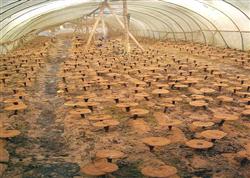
Detailed Explanation of Ganoderma (Reishi) Field Cultivation Technology with Soil Covering in a Wild-Simulated Style
China is rich in Ganoderma (reishi), and its products are exported to Japan, South Korea, Singapore, and Southeast Asian countries and regions. Especially after China's accession to the WTO, domestic product demand and export volume will rise substantially. However, in recent years, wild Ganoderma resources have been declining day by day due to massive logging of timber resources, and large-scale artificial cultivation of Ganoderma has become an urgent matter...
-
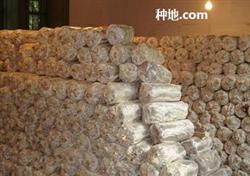
How do you grow Ganoderma lucidum in indoor bag cultivation to achieve high yields?
How can high yields be achieved in indoor bag cultivation of Ganoderma lucidum? Is there a technique to refer to? For indoor bag cultivation of Ganoderma lucidum, you can refer to the following Ganoderma lucidum cultivation technique: Bag cultivation process flow: culture material preparation → mixing the material → bagging → sterilization → inoculation with spawn after mother spawn production and stock spawn production → cultivation → fruiting body management → harvesting → processing...
-
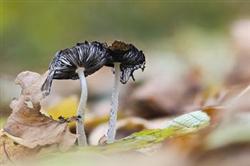
Ganoderma (Reishi) Cultivation Techniques: How to Control Coprinus Mushrooms When Growing Ganoderma?
How to control Coprinus mushrooms when growing Ganoderma? Please introduce 1. Morphological characteristics The common morphological features of Coprinus species are that the cap is initially bullet-shaped or oval, jade white, grayish white, or grayish yellow, and most of the surface has scaly hairs. The stipe is slender and hollow. After maturity, the cap expands, the gills change from white to black, and finally autolyze together with the cap into ink-like liquid. The spores are black, oval, and mixed within the ink-like liquid.
-
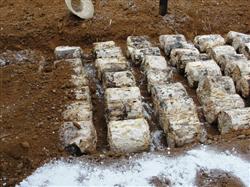
What should be noted in Ganoderma lucidum cultivation techniques?
What should be noted in Ganoderma lucidum cultivation techniques? Please introduce the key points of Ganoderma lucidum cultivation techniques as follows: 1. Choose a suitable cultivation period: the most suitable cultivation period for Ganoderma lucidum is from April 10 to May 10, and after May 20 the bags are gradually opened for fruiting. Every year June to July is the plum rain season, therefore, it is necessary to ensure that all bags are opened for fruiting before June 10...
条件筛选