-
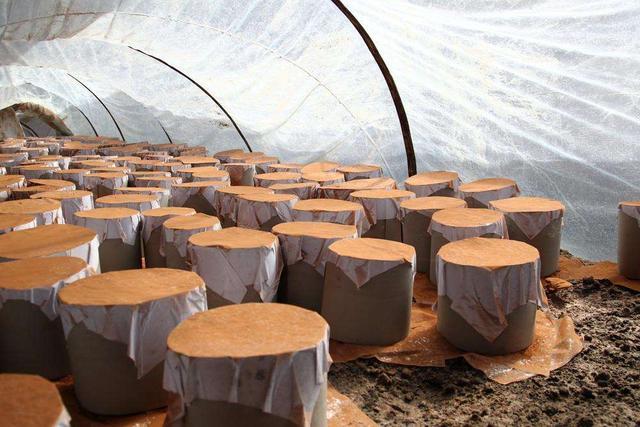
High-Quality and High-Efficiency Cultivation Techniques for Log-Cultivated Ganoderma in Open Fields
High-Quality and High-Efficiency Cultivation Techniques for Log-Cultivated Ganoderma in Open Fields. Ganoderma, also known as Shenzhi, Chizhi, Wood Ganoderma, etc., is a medicinal and edible fungus of the family Polyporaceae. It is neutral in nature and bitter in taste, and has medicinal functions such as enhancing human immunity, regulating blood sugar, controlling blood pressure, assisting tumor radiotherapy and chemotherapy, protecting the liver, and promoting sleep...
-
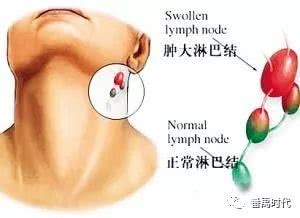
Pneumonia and other conditions caused by common variable immunodeficiency
Among immunodeficiencies there is one called common variable immunodeficiency (CVI); when it is lacking, respiratory tract infections and chronic diseases of the digestive tract readily occur, and a small number of people also have enlarged lymph nodes. Across these three major categories, the various diseases grouped together can number in the dozens, or even...
-
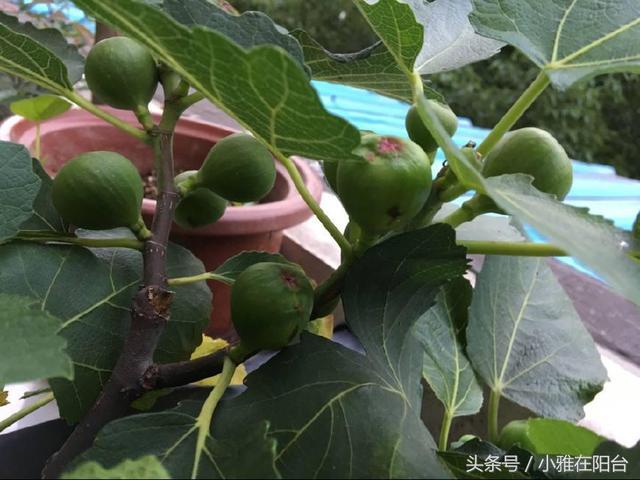
Keep these points in mind when growing figs at home, and the fruit will be big, plentiful, and appear at every node.
The fig is a deciduous shrub, and it actually does flower. It is also called the "sugar bun on the tree", which shows just how sweet and delicious the fruit is. It is fairly nutritious, and both the elderly and children can eat it. But ripe figs do not keep well, so I...
-

Can yew bark be used to cultivate lingzhi (Ganoderma lucidum)?
Lingzhi is a traditional fungal medicine of ancient China, with good health-care and medicinal effects. Paclitaxel is considered a natural anticancer drug discovered through research over the past 30 years. It is now used in more than 40 countries for the treatment of various cancer diseases. Yew has become the main tree species for paclitaxel drug production. The bark of yew is the organ with the highest paclitaxel content. Cultivating lingzhi mycelium and fruiting bodies using the sterilized-substrate production method with yew bark as the culture material can achieve relatively good results. 1. Process flow
-
Control Methods for Dacne japonica Infestation on Lingzhi (Ganoderma lucidum)
Dacne japonica Crotch, also known as the small fungus beetle or red concave fungus beetle, belongs to the order Coleoptera, family Erotylidae. 1. Morphology and habits: The adult is 3-4.5 mm long, elongated oval, glossy. The head is yellowish-brown; the antennae have 11 segments and are brown. The compound eyes are large and spherical. The pronotum is wider than long, yellowish-brown, darker in the middle. Each elytron bears one square black spot on the inner basal margin; the basal half of the elytra is yellowish-brown and the apex is black. The legs are yellowish-brown and relatively slender. From the shoulder angle diagonally toward the median suture there are red-yellow markings that meet, and the red-yellow
-
Identification and Control Methods of the Slug Pest in Ganoderma lucidum
Slugs (SLuge), also known as shuiyanyou, bittichong, etc. They belong to the phylum Mollusca, class Gastropoda, order Stylommatophora, family Limacidae. The species that damage edible fungi include the wild slug (Agrioli-naxagrestisLinnaeus), the two-lined sticky slug (PhiolomycusbilimeatusBenson), and the yellow slug (LimaxflavusLinnaeus). 1. Morphology and habits (1) The wild slug has a soft body without an outer shell, dark gray
-
What is the Ganoderma mushroom pest Bradysia minpleuroti
Bradysia minpleuroti Yang et Zhang, also known as the pointed-eye mushroom gnat, mushroom gnat, mushroom maggot, etc. It belongs to the order Diptera, family Sciaridae. 1. Morphology and habits: The adult is 2.8-4.2 mm long, dark brown; the compound eyes are long oval, with the two eyes extending into an eye bridge; the antennae have 16 segments, brown, 1.2-1.3 mm long. The wings are light smoky-colored, with 3 thick longitudinal veins, 1.8-2.2 mm long and 0.8-0.9 mm wide; the legs are yellow, slender
-
Identification and Control of the Ganoderma Pest Mezira membranacea
Mezira membranacea (Fabr.) belongs to the order Hemiptera, family Aradidae. 1. Morphology and habits: Adults are 9-12 mm long, black, with the head extending forward and forked at the tip. Antennae are raised, with 4 segments. The lateral margins of the pronotum bulge slightly, with 4 irregular elevations on the anterior half, and the posterior margin distinctly curved at the center. The hemelytra reach the last abdominal segment, and the genital segment is exposed. The membranous area is particularly large. The rostrum is short and brown, extending to the posterior margin of the open rostral groove. Females are larger than males. Late-instar nymphs
-
Detailed Explanation of Key Technical Points for Ganoderma Harvesting and Processing
1. Harvesting and drying. Under normal conditions, it takes about 20 days from the appearance of the primordium to the maturation of the cap. When the cap is fully expanded, releasing a large number of spores, the white edge has disappeared, the thickening is not obvious, and the cap color is crimson red (red Ganoderma), with uniform color, it can be harvested. After harvesting, promptly cut off the culture medium adhering to the base of the stipe from the fruiting body, dry it in sunlight, or place it in a drying room for drying, with the temperature controlled at 55-65°C, until the moisture content of Ganoderma is about 12%. The moisture content of fresh Ganoderma is usually 63%, and the drying ratio is generally 40%-
-
What are the scientific harvesting methods for lingzhi (Ganoderma lucidum)?
When the lingzhi stipe grows out of the bag opening, under suitable conditions it quickly forms a cap. The lingzhi fruiting body is initially white, then turns yellow, and after 2 to 3 months becomes purple, brown, or red. When the edge of the cap stops growing (no pale yellow ring at the edge) and brownish-red spores grow within the hymenium on the underside of the cap, the fruiting body has matured and can be harvested. Before harvesting, attention should be paid to collecting the spores released by the fruiting body so as to produce spore powder. When harvesting, pinch the stipe with your hand and gently twist it off, then trim away the part of the lower end of the stipe that bears the culture medium
条件筛选