Getting few figs? Master this trick and the branches will be loaded with fruit, one fig per node
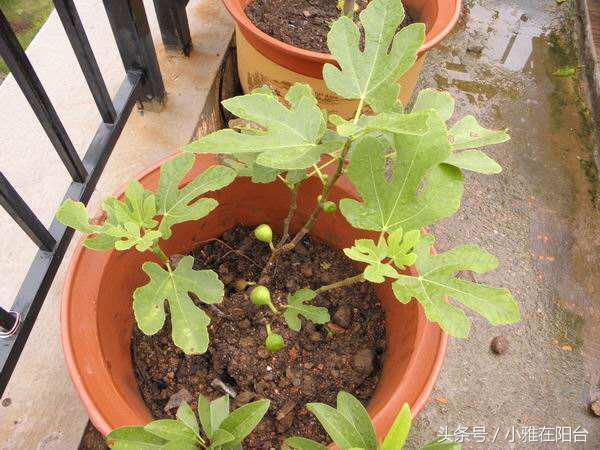
Figs taste sweet and delicious and are very nutritious, and they are even said to help prevent cancer. In fact, we can grow a potted fig ourselves at home, on a balcony or terrace. The method is simple, and even someone who has never grown a flower can keep one healthy. Some friends told Xiaoya that the figs they grow produce few fruit, or none at all. What is going on?
If your figs produce few fruit, try this trick: the branches will be loaded with fruit, one fig per node
As we all know, figs can be propagated by division or by stem cuttings to grow new fig saplings. Division means taking a rooted section of branch from an existing plant and digging it out. Cuttings are easy too: just insert a branch cutting into the soil.
Before taking cuttings, soak them in rooting solution. If you do not have rooting solution, you can use water soaked with willow branches instead, which speeds up rooting. After taking cuttings, keep the air humidity and soil moisture up. The current autumn weather is especially perfect for cuttings.
For potted figs, if you want a heavy crop, pay attention to these few things:
Plenty of light. Figs are quite tough, but in a spot with too little light they will only grow leggy, with branches that just get longer and never thicken, so they will also produce very few fruit. So just give them plenty of sun; even the strong summer sun is fine, as long as the potting soil does not run out of water.
A big enough pot, because figs grow very fast; basically the plant can double in size in a year, or even become a bigger plant. If the plant is large and the pot too small, the roots cannot spread out. With a bigger pot the roots are ample, absorb more nutrients, grow faster and produce more fruit. Generally a pot 30 cm in diameter or larger is best.
The soil should be fertile and loose enough; this point is the most crucial. One friend's figs also produced few fruit at first. One day while out in the countryside he saw lots of rotted pine needle soil and leaf mold, both fertile and soft, so he brought a bag home and repotted the fig.
After that no fertilizing was needed at all, and that year the fig bore fruit all over the tree, with many fruit on every branch, one fig per node.
In winter, prune the branches a little. You can cut off the tallest branches so that all the branches are at the same canopy width and the same level; this way they produce more fruit. But newly transplanted figs and young seedlings are not suitable for pruning.
Before the figs set fruit, you must fertilize, giving some cake fertilizer, manure, sheep manure and so on. With enough fertilizer, the fruit will keep increasing.