-
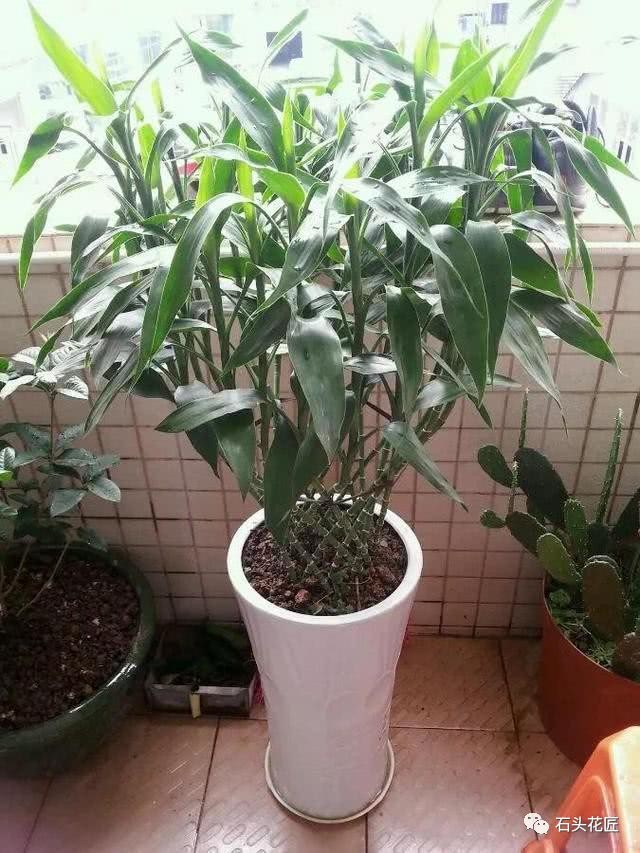
Growing Lucky Bamboo for 10 years, an old gardener adds a little something every year, stems thick and leaves green, growing taller node by node
An old gardener has grown "Lucky Bamboo" for 10 years, adding a little "something" each year so it grows taller node by node, with thick stems and green leaves. More and more people love growing flowers, and many friends keep all kinds of plants and flowers at home, like Lucky Bamboo, Kalanchoe blossfeldiana, and Clivia miniata - these are...
-
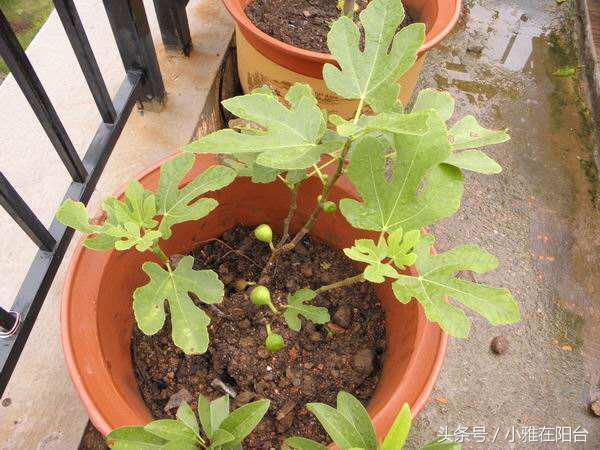
Getting few figs? Master this trick and the branches will be loaded with fruit, one fig per node
Figs taste sweet and delicious and are very nutritious, and they are even said to help prevent cancer. In fact, we can grow a potted fig ourselves at home, on a balcony or terrace. The method is simple, and even someone who has never grown a flower can keep one healthy. Some...
-
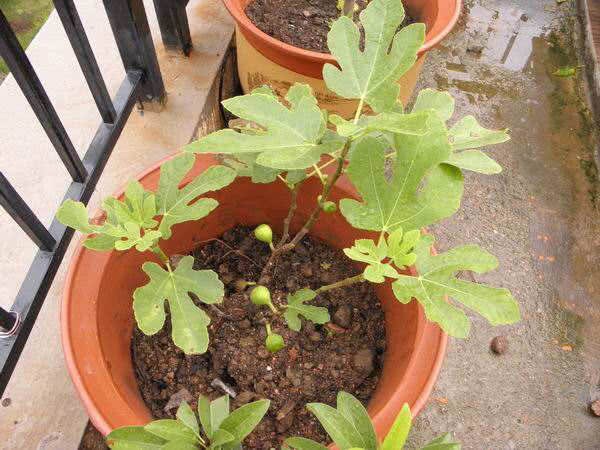
What to do when figs bear little fruit? Master this trick and the branches will be full of fruit, one fruit per node
Figs taste sweet and delicious and are very nutritious; they are even said to help prevent cancer. In fact, we can grow a potted fig ourselves at home, on a terrace or balcony. The method is simple, and even someone who cannot grow flowers can keep one healthy. Some...
-
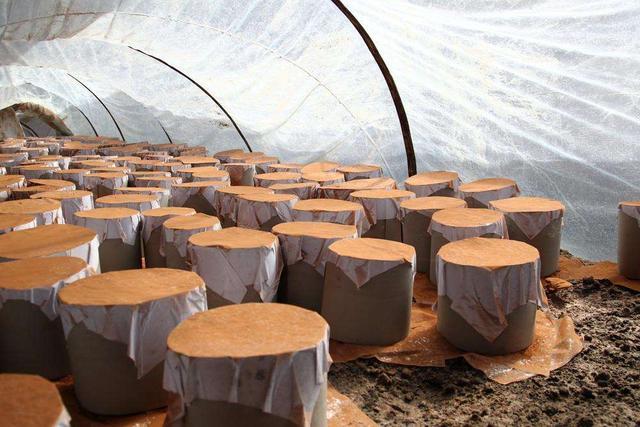
High-Quality and High-Efficiency Cultivation Techniques for Log-Cultivated Ganoderma in Open Fields
High-Quality and High-Efficiency Cultivation Techniques for Log-Cultivated Ganoderma in Open Fields. Ganoderma, also known as Shenzhi, Chizhi, Wood Ganoderma, etc., is a medicinal and edible fungus of the family Polyporaceae. It is neutral in nature and bitter in taste, and has medicinal functions such as enhancing human immunity, regulating blood sugar, controlling blood pressure, assisting tumor radiotherapy and chemotherapy, protecting the liver, and promoting sleep...
-

Introduction to plants of other families and genera: the inch plant
The inch plant (Tradescantia navicularis) is a plant of the genus Tradescantia in the Commelinaceae family. Its stems are short and dense, and it readily produces leaf buds; where the internodes touch the ground, they take root. It bears small rose-red flowers. It is an ideal species for small indoor potted plants.
-

Effects of Rhizome Node Number of Polygonatum cyrtonema on Yield and Growth and Development
Effects of rhizome node number on the yield and growth and development of Polygonatum cyrtonema. In production, Polygonatum cyrtonema is mostly propagated by rhizomes, and because its rhizomes are bead-like or form nodular blocks, they are often called "seed rhizomes" [5]. The quality of the seed rhizome directly affects emergence and growth...
-
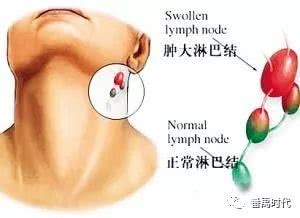
Pneumonia and other conditions caused by common variable immunodeficiency
Among immunodeficiencies there is one called common variable immunodeficiency (CVI); when it is lacking, respiratory tract infections and chronic diseases of the digestive tract readily occur, and a small number of people also have enlarged lymph nodes. Across these three major categories, the various diseases grouped together can number in the dozens, or even...
-

Analysis of the Same-Type Interconversion Phenomenon in Immunodeficiency Bronchopneumonia
Diseases that occur due to immunodeficiency are also numerous in number. Selective immunoglobulin deficiency alone includes atopic asthma, allergies to foods such as milk, and in the immunoglobulin-deficient population, about one third will develop...
-
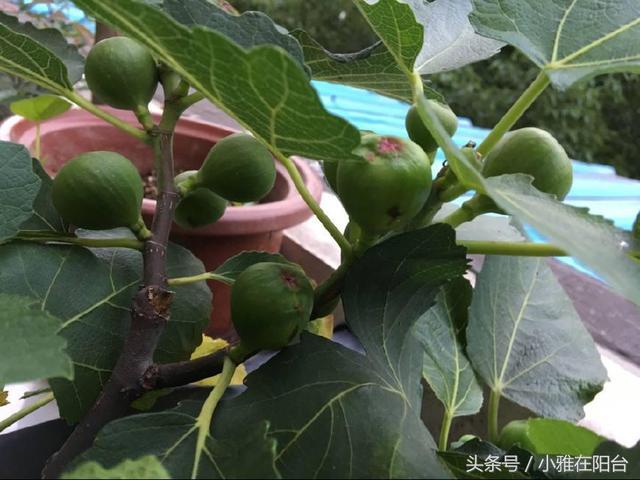
Keep these points in mind when growing figs at home, and the fruit will be big, plentiful, and appear at every node.
The fig is a deciduous shrub, and it actually does flower. It is also called the "sugar bun on the tree", which shows just how sweet and delicious the fruit is. It is fairly nutritious, and both the elderly and children can eat it. But ripe figs do not keep well, so I...
-
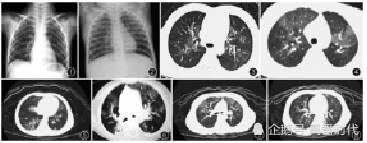
The specific relationship between bronchiectasis and immunodeficiency
Immunodeficiency disease is a big topic; it can cause dozens or even hundreds of diseases, and bronchiectasis is only a very small branch among them. Among the immunodeficiencies that can cause bronchiectasis, the direct one is a deficiency of one or more immunoglob...
条件筛选