Keep these points in mind when growing figs at home, and the fruit will be big, plentiful, and appear at every node.
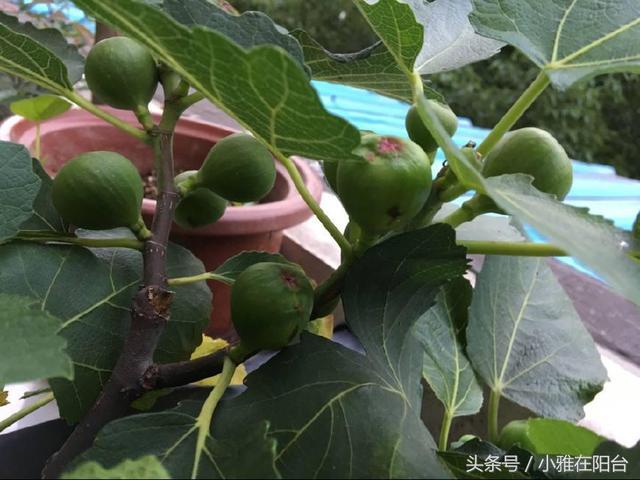
The fig is a deciduous shrub, and it actually does flower. It is also called the "sugar bun on the tree", which shows just how sweet and delicious the fruit is. It is fairly nutritious, and both the elderly and children can eat it. But ripe figs do not keep well, so we can grow one ourselves on a balcony or terrace, and when we want to eat some, we just reach out and pick them.
It is a fruit very well suited to container growing. The two potted figs I grow on my terrace grow especially fast. The leaves are now bigger than my hand, and the plants are already like small trees, having just set many small fruits.
For growing figs at home, if you want the plants to set a lot of fruit and give a high yield, here are the methods:
Figs can be propagated by cuttings. If you have grown one fig, you can cut several branches from the mother plant, about 10 cm long, and insert two-thirds of each into sandy soil, shading them and keeping them moist. You can cover them with a layer of plastic film to maintain air humidity, and after a month they will begin to grow roots. Once they sprout, pot them up. Taking more cuttings means more fruit. Grow three plants and the whole family will have enough to eat.
If you grow figs in flower pots, and you want them to set a lot of fruit with large fruit, the bigger the pot the better, at least 30 cm in diameter, because its branches and trunk grow quickly and the roots need enough space and nutrients. In short, you need to change to a correspondingly larger pot every two years. In this way the fig grows bigger and bigger.
The soil for growing figs is very flexible, because it is not picky about soil. Any soil will do as long as it is not especially poor and compacted. Even soil dug directly from outside can be used, but you must add some base fertilizer, such as rotted chicken manure fertilizer, cow manure fertilizer, bean cake fertilizer, and so on. This way the fig will set more fruit later.
When it rains, if your figs are grown on a terrace or in a small yard, do not let water accumulate in the pot soil, otherwise the fruit will drop. Also note that if there are snails, remove them promptly.
Usually keep the light adequate. Figs can take full sun, and they can also be grown in bright indirect light, but they must have sunlight. They cannot be placed in a place that is too dark.
If you want figs to set an especially large amount of fruit, you must regularly apply extra fertilizer, or add some fertile soil. I make organic fertilizer from kitchen waste such as fruit peels, vegetable leaves, shrimp shells, and okara, and every so often I water with some diluted fertilizer solution, or put some into the pot.
The fig tree grows visibly, with leaves getting bigger and bigger, dense green and beautiful, and many fruits growing from each branch. You can put some bags over them to prevent birds from stealing them.
Wait until the fruits have all turned purplish-red and are fairly soft, then they can be picked. Nutritious, full of sweetness, so delicious!