-

What to Do When Mushroom Mycelium Shrinks? Causes and Control Methods
Cultivating mushrooms is not difficult, but every step must be carried out strictly. Once there is any oversight, it is very easy for competitor fungi, diseases, or even mycelium shrinkage to appear. For mushrooms, this is fatal and will also affect growers' harvests, so let us
-
What to Do About Mushroom Mycelium Spindly Overgrowth? Cause Analysis and Key Technical Points for Prevention and Control
Spindly overgrowth of mushroom mycelium is a common phenomenon in mushroom cultivation, which means the mushroom mycelium consumes a great deal of nutrients in the growing medium, so the fruiting bodies naturally cannot keep up with the nutrition and cannot form, and this is extremely harmful to mushroom growth. Below
-
When Do Mushrooms Ripen? A Detailed Guide to Ripening Times
Mushrooms are made up of two parts: the mycelium and the fruiting body. The mycelium is the vegetative organ, and the fruiting body is the reproductive organ. So do you know what season they ripen in? When do mushrooms ripen? Mushrooms generally ripen in spring and autumn, and can usually be picked from late autumn to late spring.
-
Causes of Mushroom Mycelium Shrinkage and the Latest Control Methods
Edible mushroom cultivation techniques are not difficult nowadays, but every step must be strictly followed. Any oversight will lead to contaminating bacteria, diseases, and mycelium shrinkage, which are extremely fatal to edible mushroom cultivation and seriously affect growers' income. So
-
What are the causes of excessive vegetative growth of shiitake mushroom mycelium and how to prevent and control it?
Shiitake mushroom (Lentinula edodes) is an important edible mushroom species with strong edible and medicinal value, and it is cultivated in all regions of our country, but many people encounter the phenomenon of excessive vegetative growth of mycelium during cultivation, which affects the formation of fruiting bodies. So what are the causes of excessive vegetative mycelium growth? How should it
-
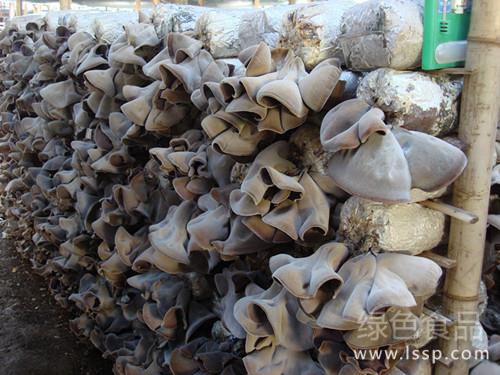
How to prevent and control the degeneration, weakening and disappearance of black fungus (wood ear mushroom) mycelium?
What to do when mycelium weakens and disappears: prevention and control methods for black fungus mycelium degeneration
-
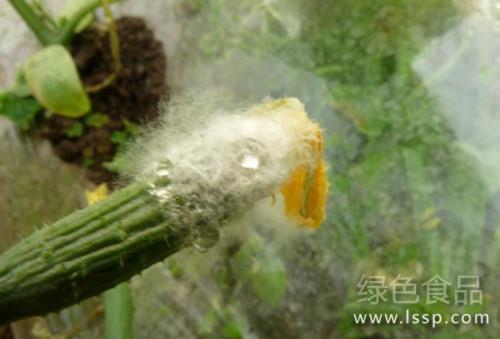
How to control cucumber sclerotinia rot? Symptoms are stem and vine rot, diseased fruit rot with white mycelium
Stem and vine rot, diseased fruit rot with white mycelium: control methods for cucumber sclerotinia rot
-
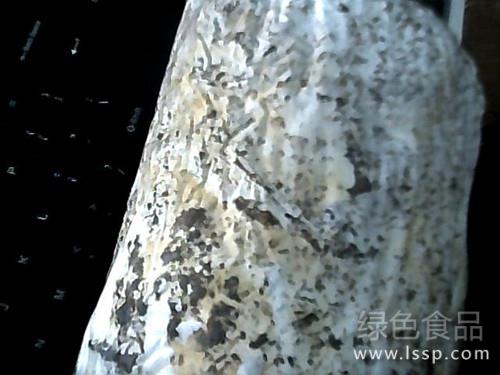
Prevention and control methods for edible mushroom mycelium that does not feed on the substrate after germination, turns yellow and shrinks
Mycelium does not feed on the substrate after germination, turns yellow and shrinks: prevention and control methods for edible mushroom mycelium shrinkage
-
What are the temperature and humidity requirements for Wine Cap mushroom (Stropharia rugosoannulata) during the mycelium running stage?
What are the temperature and humidity requirements for Wine Cap mushroom (Stropharia rugosoannulata) during the mycelium running stage? Please explain. Regulating temperature and humidity is an important part of cultivation management for Wine Cap mushroom. During the mycelium growth stage, Wine Cap mushroom requires a pile temperature of 22 to 28°C, a moisture content of 70% to 75% in the growing medium, and a relative humidity of 85% to 90% in the air...
-
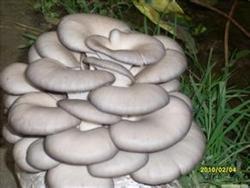
What are the common problems during the mycelium running stage of oyster mushrooms? Solutions included
In oyster mushroom cultivation, pests and diseases are stumbling blocks. Recognizing and controlling them promptly is of great significance for normal production. Once pests and diseases are found, failure to take timely measures will seriously affect oyster mushroom yields and sometimes cause total crop failure. Therefore, one should choose excellent and highly resistant spawn strains, strengthen scientific management, and create conditions favorable for mushroom mycelium...
条件筛选