Prevention and control methods for edible mushroom mycelium that does not feed on the substrate after germination, turns yellow and shrinks
In edible mushroom cultivation, it is common for mycelium to not feed on the substrate after germination, turn yellow and shrink, seriously affecting the profitability of edible mushroom growing. The causes and prevention and control methods for edible mushroom mycelium shrinkage are described below:
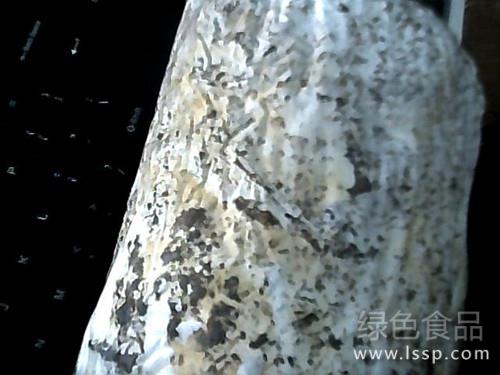
Edible mushroom mycelium shrinkage
1. High-temperature mycelium burning: a high temperature at sowing time, an overly thick substrate, or substrate temperature not steadily dropping after fermentation, etc., can raise the temperature inside the substrate above 30°C. Prevention and control methods: avoid the high-temperature period when sowing edible mushrooms; at sowing, the substrate temperature should be stable below 25°C. After sowing, if the mycelium shrinks due to high temperature, turn the pile again for ventilation, then adjust the substrate moisture properly and sow again.
2. Ammonia gas in the substrate: when building the pile, too much nitrogen fertilizer is added, or the nitrogen fertilizer is added too late (added only at the later turning), so after the spawn is sown, ammonia gas is present in the substrate. Prevention and control methods: when adding chemical fertilizers such as urea to the substrate, add them in an appropriate amount when building the pile. If ammonia gas is found in the substrate, open the doors and windows promptly, spray a 2% formaldehyde solution and turn the substrate, and sow again after the ammonia smell is gone.
3. Substrate too dry: at sowing, the substrate is on the dry side; if the weather is also dry, after the mycelium germinates, it feeds and grows slowly, becoming thin and weak and then shrinking. Prevention and control methods: cover the substrate surface with a layer of wet rice straw (moistened with 0.5% lime water) so that the mycelium germinates again and feeds on the substrate. If sowing is done in dry weather, close the doors and windows 3 days after sowing. The layered sowing method with a surface-covering spawn layer is better.
4. Excessive moisture in the substrate: too much water in the substrate, followed by high temperature after casing soil is applied, or heavy watering during high temperature without timely ventilation, causes the mycelium to shrink due to insufficient oxygen supply and reduced vigor. Prevention and control methods: when piling the substrate, pay attention to controlling moisture; if during turning the substrate is found to have too high a water content, spread it out, dry it slightly, and then pile it again; the water content of well-fermented substrate should be 60%-65%. For mycelium shrinkage caused by heavy watering at the later stage, the mycelium can resume growth after ventilation. The total thickness of the casing soil layer on the bed surface should be no less than 4-4.5 cm.
5. Poor spawn quality: spawn heated during transport reduces mycelium vigor; spawn not used in time becomes aged and its growth vigor weakens. After sowing, if adverse conditions are then encountered, the mycelium will shrink. Prevention and control methods: choose a suitable substrate for cultivating spawn; the spawn should have thick, strong mycelium and strong germination ability; avoid high-temperature weather when purchasing spawn; do not use aged spawn.
6. Pests: mainly mite pests, which appear early and are not easily seen with the naked eye; they mainly harm edible mushroom mycelium, causing the mycelium to break and shrink. Pests can be brought in with compost and casing soil, causing serious damage. Prevention and control methods: for mite pests, use integrated control. Do a good job of secondary fermentation of the substrate, and carry out insecticidal treatment of the casing soil. In addition, spreading mushroom-protecting powder into the substrate before sowing can have a preventive and control effect. During cultivation, if pests are found, apply pesticides for control as early as possible.