-

Causes of Mushroom Mycelium Shrinkage and the Latest Control Methods
Edible mushroom cultivation techniques are not difficult nowadays, but every step must be strictly followed. Any oversight will lead to contaminating bacteria, diseases, and mycelium shrinkage, which are extremely fatal to edible mushroom cultivation and seriously affect growers' income. So
-
How do you treat apple water core cracking and fruit shrinkage disease? What spray should be used?
Apple fruit surface cracking is a physiological disorder that has become widespread in recent years, and fruit growers commonly call it apple cracking disease. Fruit shrinkage disease, on the other hand, causes small, deformed fruit that tends to drop early. So how do you treat apple water core cracking and fruit shrinkage disease? What spray should be used? How do you treat apple water core cracking? What spray should be used?
-
What to Do When Mushroom Mycelium Shrinks? Causes and Control Methods
Cultivating mushrooms is not difficult, but every step must be carried out strictly. Once there is any oversight, it is very easy for competitor fungi, diseases, or even mycelium shrinkage to appear. For mushrooms, this is fatal and will also affect growers' harvests, so let us
-
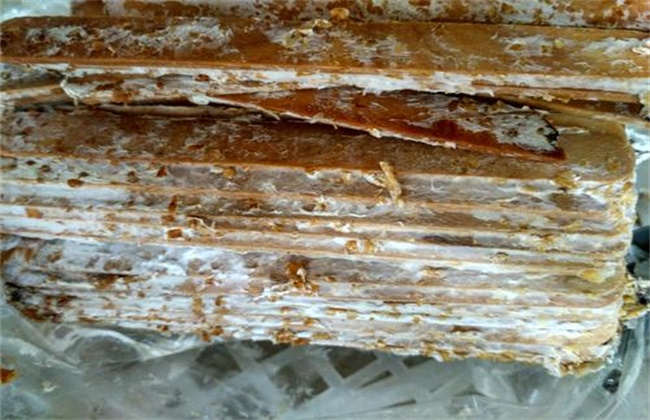
Analysis of the Causes of Edible Mushroom Mycelium Shrinkage and Control Methods
Causes of Edible Mushroom Mycelium Shrinkage and Control Methods
-
Smuggled meat frequently appears on the market, and the shrinkage of China's domestic beef cattle industry is worsening
Smuggled meat frequently appearing on the market worsens the shrinkage of China's domestic beef cattle industry
-
Experimental Methods and Results Analysis for the Control of Jujube Fruit Shrinkage Disease
In recent years, jujube fruit shrinkage disease has become increasingly severe. Jujube fruit generally becomes affected at the white fruit stage, and often a large number of fruits drop within a few days. In ordinary years the incidence rate is 5%-8%, and in severe cases the proportion of diseased fruit reaches over 30%. Diseased fruit tastes bitter and is unfit to eat, seriously affecting the quality and yield of jujube fruit. Because opinions differ from place to place on the pathogenic factor of this disease, and it was discovered in our county only just over 10 years ago, there is still no successful experience in controlling it. After consulting materials from many sources and conducting field observations, the fruit tree station formulated an experimental plan for the control of jujube fruit shrinkage disease and achieved fairly good results.
-
What are the control methods for mushroom mycelium shrinkage?
In mushroom cultivation, it is common to encounter mycelium that does not colonize the substrate after germination, turns yellow and shrinks, seriously affecting the development of mushroom production. The causes and control methods are described below: 1. High-temperature burning of the mycelium. The sowing period has high temperatures, the compost is too thick, and the substrate temperature does not steadily drop after fermentation, so the temperature inside the compost rises above 30°C. Control methods. The sowing period for mushrooms should avoid the high-temperature period; at sowing time the substrate temperature should be stable below 25°C. If mycelium is found to have shrunk due to high temperature after sowing, the pile should be turned again for ventilation, and then
-
How to prevent and control jujube fruit shrinkage disease? Understanding the occurrence pattern is key
Jujube fruit shrinkage disease, also known as jujube iron skin disease, jujube black rot, jujube dry waist fruit shrinkage disease, jujube wilt fruit disease, wu chao, wu luo tou, wu chao, tie jiao, etc., was first officially reported in China in the late 1970s. It is found throughout all major jujube-growing regions nationwide, and its damage is becoming increasingly severe, having already become a devastating disease in jujube production. In recent years, the disease has become increasingly serious in jujube-producing areas of Shanxi Province, becoming an important factor affecting jujube yield and commercial quality. However, current reports on the pathogen and control patterns of this disease are inconsistent, and no effective control method has been found
-
What are the control methods for jujube fruit shrinkage disease?
1. Symptoms: When jujube fruit shrinkage disease occurs, a pale yellow halo (ring) first appears on the shoulder or waist of the fruit, gradually expanding into irregular sunken lesions; the peel becomes water-soaked and infiltrated, with scattered needle-like round brown dots, and the flesh becomes earthy yellow, soft, spongy and necrotic; the fruit shrivels, tastes bitter, and is unfit to eat. 2. Disease pattern: Preliminary research has determined that jujube fruit shrinkage disease is a bacterial disease, and the pathogen mainly overwinters on fallen diseased fruit. It generally spreads and infects jujube fruit during the fruit coloring and ripening stage; the pathogen enters through fruit wounds via wind and rain or directly penetrates the peel.
-
Causes and Control Methods of Dry Shrinkage of the Central Leaves of Hot Peppers
At present, temperatures are gradually dropping, with occasional foggy weather, causing frequent diseases in hot peppers grown in greenhouses. Recently, vegetable growers have often reported problems encountered when growing hot peppers. The problems that have occurred with hot peppers recently are summarized below for the reference of fellow vegetable growers: Dry shrinkage of the central leaves of hot peppers. A vegetable grower from Wutai, Shouguang City, called to ask about dry shrinkage occurring in the central leaves of the hot peppers being grown, and whether it was a viral disease. Dry shrinkage of the central leaves of hot peppers may be caused by a viral disease. Hot
条件筛选