-
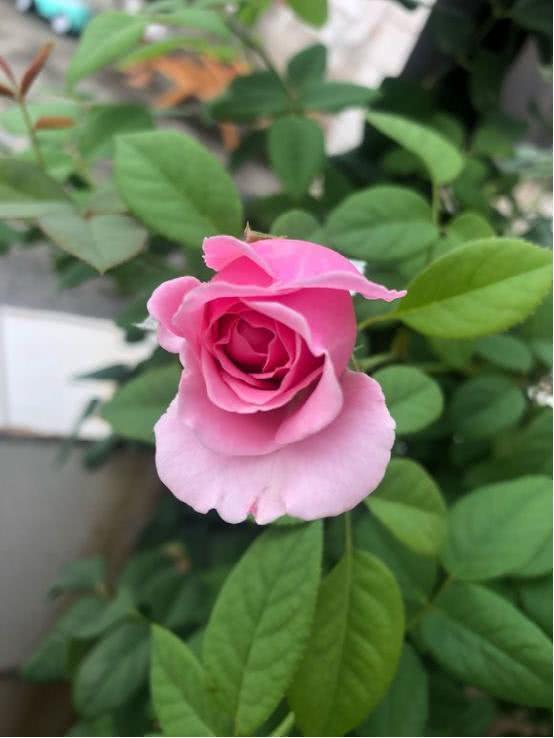
Can't tell Chinese rose and Rosa multiflora apart? Let me teach you how to distinguish them by their leaves
Many people are hopelessly confused about Chinese roses and Rosa multiflora. The two are practically relatives, and they really are quite similar - both the plants and the flowers share certain similarities. So for those friends who want to buy Chinese roses, how can...
-
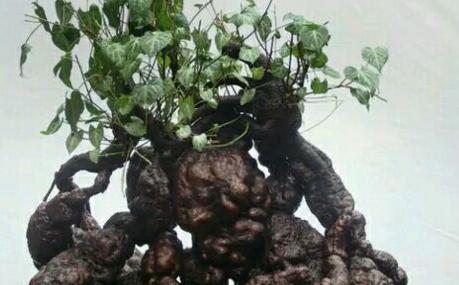
Growing environment, sowing time and planting methods for the climbing plant He Shou Wu (Fallopia multiflora)
He Shou Wu, also known as Polygonum multiflorum, purple vine, and Ye Jiao Teng, among other names. It can tonify essence and blood, darken beard and hair, strengthen sinews and bones, and tonify the liver and kidneys. It is a common precious and fine Chinese medicinal herb. So, where does the climbing plant He Shou Wu grow? When is it sown? How is it planted? Where does the climbing plant He Shou Wu grow?
-
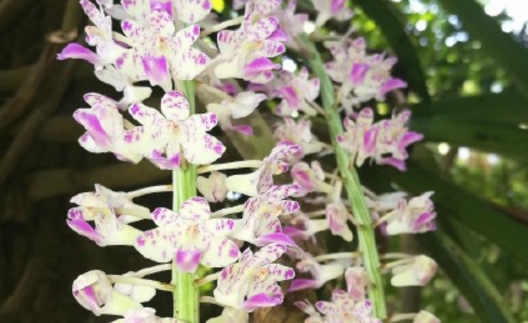
How to Grow Aerides multiflora, Potting Techniques, and How It Differs from Rhynchostylis
Aerides orchids like warm, humid environments and dislike strong light, making them suited to semi-shaded conditions. So what are the cultivation methods for Aerides? How does it differ from Rhynchostylis? How do you pot it? According to available information, the suitable growing temperature for Aerides is 15-28°C, and it can overwinter as long as the winter temperature stays above 8°C.
-
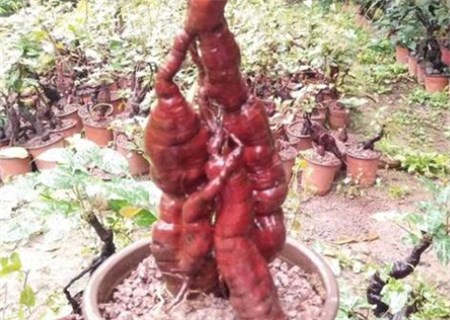
How to Grow He Shou Wu (Fallopia multiflora) as a Bonsai, How to Make Medicinal Wine with It, and What It Should Not Be Eaten With
Many friends only know that He Shou Wu (Fallopia multiflora) can be used as medicine, but many people do not know that it can actually also be grown for ornamental purposes. He Shou Wu can not only be made into a bonsai for people to admire, so do you know what the methods for growing a He Shou Wu bonsai are? What can it not be eaten with? What are the methods for making medicinal wine with it?
-
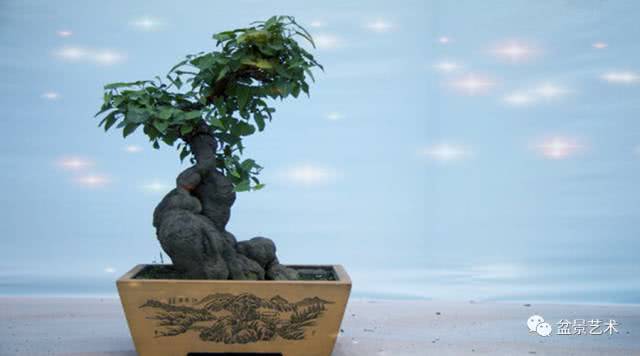
Detailed Explanation of the Key Cultivation Techniques for He Shou Wu (Fallopia multiflora) Bonsai
Perennial herbaceous plant. Prefers sun, tolerates partial shade, likes moisture, fears waterlogging, requires well-drained soil. Root tubers thick and fleshy, long elliptical, dark brown. Stems twining, 2-4 m long, much branched, with longitudinal ridges, hairless, slightly rough, lower part woody. Leaves...
-
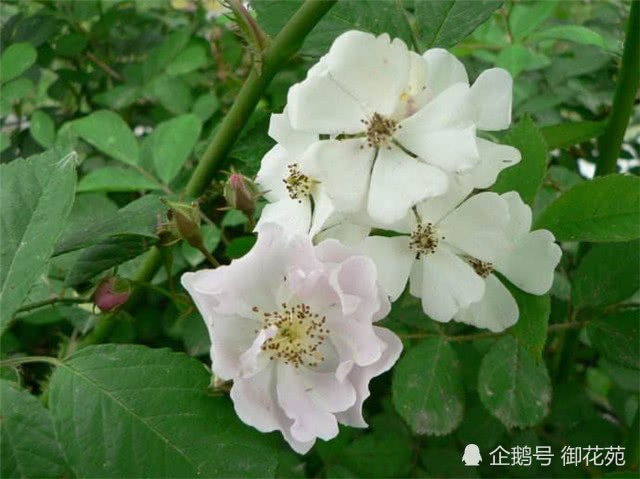
How do you propagate Rosa multiflora var. cathayensis? It grows six meters in a year, and its buds open into a flower wall
Rosa multiflora var. cathayensis is a plant in the Rosaceae family, and it can often be found in ordinary park shrubbery. Rosa multiflora var. cathayensis is very widely distributed in China and can basically be grown all over the country. Its flowers are extremely beautiful when in bloom. Flower lovers, come with the editor...
-
What is the difference between climbing roses and Rosa multiflora? A quick guide to telling them apart
Climbing roses bear solitary flowers, with large blooms in a rich range of colors. Rosa multiflora has smaller flowers and shorter pedicels, creating a scene of blooms crowding open along the branches. Their main difference lies in the flowering period: Rosa multiflora blooms in spring and summer, while roses bloom all year round; in addition, rose flowers are larger and open singly, whereas the latter are small and open in clusters.
-
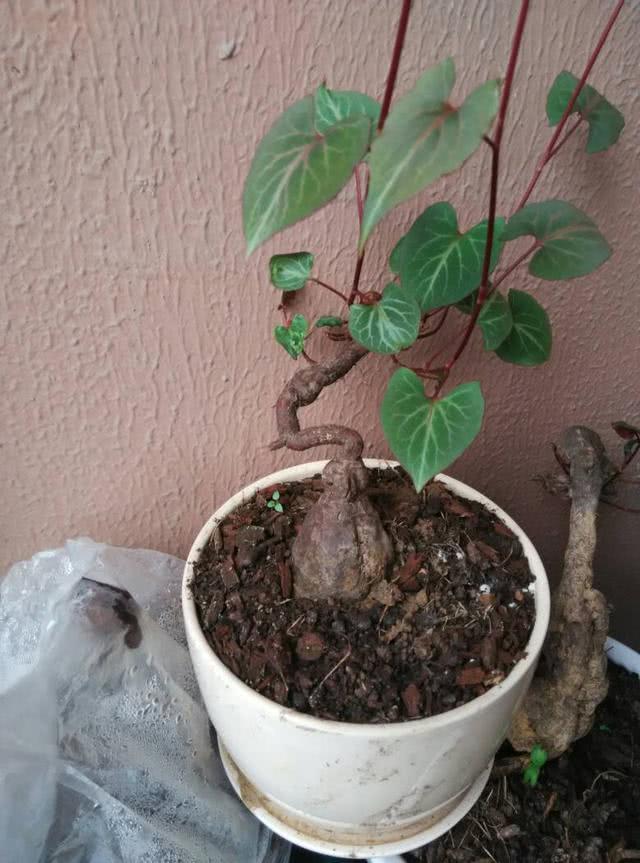
How to Grow He Shou Wu (Fallopia multiflora)? Benefits and Symbolism When Given as a Gift Explained
He Shou Wu (Fallopia multiflora) is a relatively rare medicinal herb. In ancient times it was regarded as one of the most precious tribute offerings — perhaps eating He Shou Wu could help you live longer! All kinds of rumors have made He Shou Wu a precious medicinal herb, and today it is still quite rare...
-
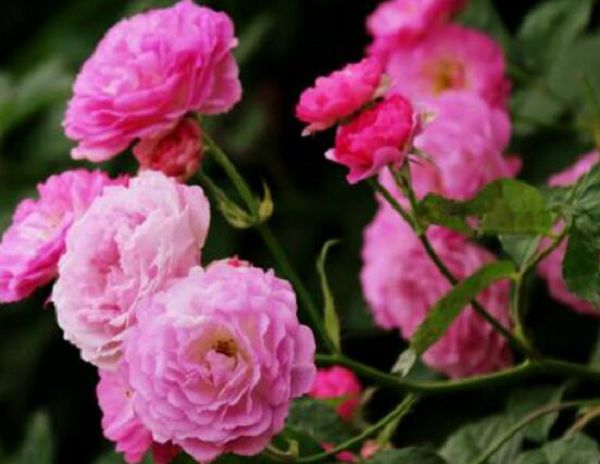
Is the rose (Rosa multiflora) poisonous, and is it suitable for growing indoors?
Is the rose poisonous, and can roses be grown indoors?
-
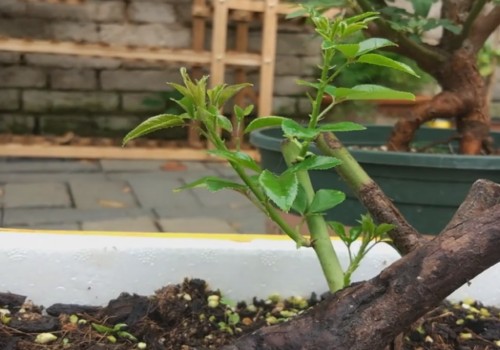
How to grow rose rootstock (Rosa multiflora) for grafting roses
Generally, the Rosa multiflora stumps we dig up from the wild are oddly shaped, and when we plant them in flower pots, many roots are usually exposed above the pot surface, because their root systems are simply too long and too developed. Even if we use deeper gallon pots, their roots can still reach the bottom of the pot
条件筛选