-

Chinese scientists discover a multipurpose gene that makes crops heat-resistant and high-yielding
Chinese scientists discover a "multipurpose gene" that makes crops heat-resistant and high-yielding
-

What are the precautions for growing He Shou Wu (Fallopia multiflora)?
What issues need attention when growing He Shou Wu
-
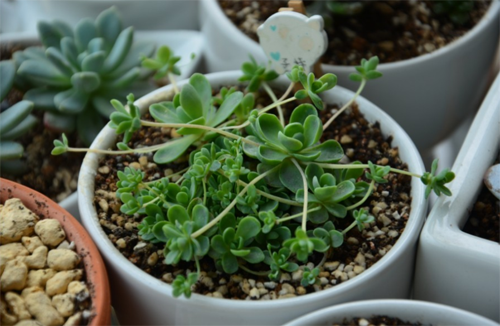
What to Do When the Leaves of Sedum multiceps Turn Yellow and Dry? A Detailed Care Guide
Keeping Sedum multiceps alive is fairly easy, but getting it to look beautiful is not so simple. During cultivation, yellowing and drying leaves are very common. Once the leaves stop looking good, the whole Sedum multiceps looks very unattractive. So what should you do when yellowing and drying leaves appear during cultivation?
-
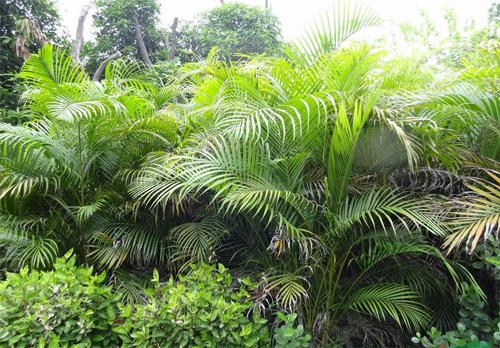
Areca Palm Pest and Disease Control Methods and How It Differs from Bambusa Multiplex
The areca palm looks a lot like bamboo, but it can also get sick. How do you control the pests and diseases of the areca palm? And how is it different from Bambusa multiplex? Areca palm pest and disease control: Leaf spot disease, the leaf tips and leaf margins are most susceptible, causing drying and curling
-
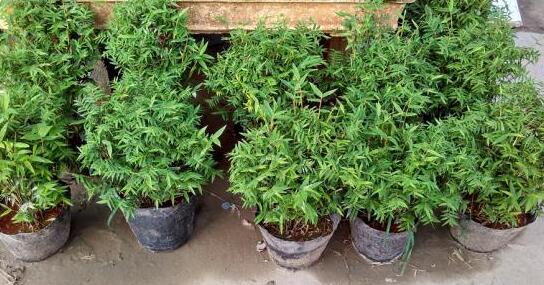
How to care for bamboo palm (Bambusa multiplex) in winter? Solutions for yellowing leaves
Since ancient times, Chinese people have been especially fond of growing plants, particularly those with special meanings or special uses, such as the bamboo palm (Bambusa multiplex). So how do you care for bamboo palm in winter? What should you do if its leaves turn yellow? Let's take a look below. Introduction to bamboo palm: Bambusa multiplex
-

Reasons Why Roses (Rosa multiflora) Fail to Bloom and How to Fix Them
Rosa multiflora likes to grow in thickets by roadsides, field edges or on hilly land, and is distributed in East China, Central South China and other regions. From May to June, when the flowers are in full bloom, pick them on a sunny day, dry them in the sun and use them as medicine. Rosa multiflora flowers come in many colors, including white, light red, deep peach red, yellow and so on
-

Lily prices stabilize, Taichung City assists farmers through multiple channels
This year's warm climate caused lilies to reach peak production early, before the Spring Festival. To stabilize prices and ease the supply-demand pressure in the domestic market, the Taichung City Government promoted flower marketing through three channels, including holding flower promotion events, exporting, and stepping up calls for people nationwide...
-
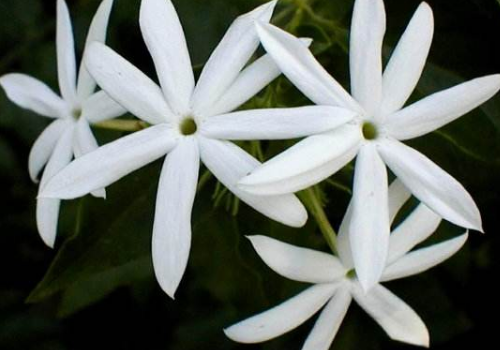
How to grow Jasminum multiflorum and solutions to common pests
Jasminum multiflorum is a flower very similar to jasmine. How do you grow Jasminum multiflorum? Solutions to common pests: How to grow Jasminum multiflorum: 1. Planting: For potted Jasminum multiflorum, every 2-3 years, repot in March or after flowering. The potting soil can be mixed with 2 parts garden soil, 1 part compost, and 1 part sand.
-
Zhongzhi No. 10, a multi-resistant, high-quality sesame variety
Zhongzhi No. 10 was developed through targeted breeding using the principles of gene complementation and accumulation, with 5 varieties selected for composite crossing, combined with artificial waterlogging stress, natural disease nurseries, and identification and screening of major economic traits. The variety passed approval by the Hubei Provincial and the National Crop Variety Approval Committees in 1994 and 1997, respectively. Characteristics: This variety is of the branching type, with three flowers per leaf axil and four-angled capsules. Plant height is about 150 cm, reaching up to 2 m; it has about 4 effective branches, 100-200 capsules per plant, around 65 seeds per capsule, and a 1000-seed weight of 2
-
Production Methods and Multifunctional Applications of Soybean Dietary Fiber
1. Physiological Functions of Multifunctional Soybean Dietary Fiber Soybean dietary fiber mainly refers to the general term for those macromolecular carbohydrates that cannot be digested by human digestive enzymes, mainly including cellulose, pectin, xylan and mannose, etc. Although dietary fiber cannot provide the human body with any nutrients, it has important physiological functions for the human body. Dietary fiber has significant effects in lowering blood pressure and plasma cholesterol, and regulating gastrointestinal function, blood sugar and insulin levels. Multifunctional Soybean Fiber (MSF) is mainly composed of dietary fiber and protein, with contents of 67.98% (dry basis) and 19.75% respectively, making it a good protein-fiber additive. Studies have shown that adding a small amount of MSF has a good strengthening effect on medium-gluten or low-gluten flour; within a certain addition range, it can not only increase the dietary fiber and protein content of products, but is also very beneficial for improving the quality of products such as bread, noodles and biscuits. MSF may be the best-functioning of all dietary fibers, far beyond what other synthetic fibers (such as litesse, polydextrose) can match. Multifunctional soybean dietary fiber is a high-quality dietary fiber obtained from fresh okara as raw material through special heat treatment, and it has good effects in regulating blood sugar, lowering blood lipids and promoting defecation.
条件筛选