-

Production Method and Technical Key Points for Multi-Flavor Shiitake Mushroom Strips
During the processing of shiitake mushrooms, a large number of broken and fragmented mushroom stems are often removed. The protein, various amino acids and vitamin content of these stems are on par with the caps and gills, so discarding them is a great pity. For this reason, a method for making multi-flavor shiitake mushroom strips using them as raw material is introduced here. 1. Soaking Remove impurities as well as diseased and rotten parts from the broken mushroom stems, place them in clean water weighing twice as much, add an appropriate amount of vinegar, soak for 24 hours, then take them out and tear them into strips. Next, place them in a water tank and wash with running water, then remove and filter through a bamboo sieve, draining off the water. 2. Drying
-
Shiitake mushroom stems processed into shiitake mushroom floss see their value multiply
1. Raw material formula: 100 kg shiitake mushroom stems, 4-6 kg high-quality soy sauce, 3-4 kg white sugar, 2-3 kg peanut oil, 5 kg scallions, 0.2 kg monosodium glutamate, 4 kg yellow rice wine, 0.6 kg refined salt, appropriate amounts each of ginger, fennel, food coloring, and five-spice powder. 2. Raw material processing: Choose shiitake mushroom stems free of sawdust, insect damage, and mildew, cut them into 1 cm pieces, wash them clean with water, and soak them for 1-2 days so they fully absorb water and soften. 3. Precooking: Put the soaked mushroom stems into a pot and heat to a boil, then
-
Detailed explanation of year-round production technology for multiple mushroom species in one greenhouse
In 2001, our county began large-scale promotion of white beech mushroom (Pleurotus nebrodensis) production technology throughout the county. The white beech mushroom belongs to the medium-low temperature type of edible fungi, fruiting within the range of 5-20°C. Before fruiting, the white beech mushroom must undergo a low-temperature stimulation process, which determines that the fruiting period in our county is from late November to late March of the following year, causing the mushroom greenhouse to sit idle from April to November around summer, and the biological conversion rate of the white beech mushroom is also relatively low. Starting from 2002, our county began trial
-
How to prevent and control cotton seedling diseases? Take multiple measures to ensure strong seedlings
Because rain kept falling continuously during the cotton sowing period and after emergence, this year's seedling death is more serious than in previous years, and the most severe cases have already begun to be destroyed and replanted. 1. Main symptoms After cotton seedlings emerge, yellow-brown lesions appear at the base of the stem (where it meets the soil surface), gradually expand, become sunken and rotten, turn dark brown in color, and the cotton seedlings wither and die. This is typical "damping-off," commonly known by cotton farmers as "black neck" disease. 2. Causes of seedling death 1. Early sowing date and low temperature. According to forecasts from the meteorological department, the temperature in April 2008 was on average
-
Detailed Explanation and Application of the New Muskmelon-Rice Multiple Cropping Technique
I. First Crop Muskmelon 1. Seed selection and land preparation: Choose high-yield, high-quality muskmelon varieties with a growing period of about 90 days, such as Chaozhao Tangwang and Hongchengcui No. 1. Before the ground freezes the previous year, plow the paddy field well, harrow, press and form ridges with a ridge spacing of 50-60 cm, and press firmly to preserve soil moisture. Along with land preparation, apply 5000 kg of high-quality farmyard manure per mu. 2. Seedling raising and transplanting: Soak seeds to promote germination in late February, raise seedlings in a greenhouse in late February to early March. You may use seedbed seedling raising followed by pricking out into seedling bowls, or directly raise seedlings in seedling bowls. For planting melons in the main field, transplant the melon seedlings into the main field before April 15.
-
How to handle a sick pig that shows no improvement after multiple drug injections
In daily veterinary practice, it is common to encounter sick pigs that have been given multiple symptomatic injections of penicillin, streptomycin, analgin and other drugs without any improvement. We suggest handling the situation as follows: Basic method: calculated per 30 kg of pig body weight per dose (the same below), dexamethasone sodium phosphate 6 ml, nikethamide 2 ampoules, kanamycin hydrochloride 10 ml, each injected intramuscularly separately. If coughing and gasping do not stop, use the basic formula plus 3% ephedrine 2 mg injected intramuscularly. After 10 minutes, inject sulfadiazine sodium 0.5 mg intramuscularly
-
Detailed Explanation of the Characteristics and Usage of Cutting-Edge Multi-Vitamin Products for Pigs
This product is designed based on the characteristics of current intensive feeding and management conditions, the high reproductive rates and rapid growth rates of modern pig farming, the production needs at different stages, the interactions among vitamins and the latest research on their effects on body metabolism. It is formulated using highly stable raw material monomers and a highly uniform production process. Characteristics: 1. Promotes the maturation of immune function in young pigs; 2. Accelerates the growth of fattening pigs and improves physiological and biochemical processes; 3. Effectively improves the production performance of breeding pigs. Main ingredients: per kg contains Category
-
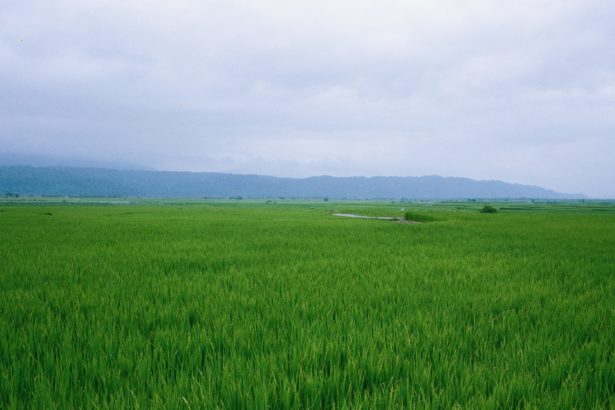
Rice multicultural practice: Four key elements for local sake brewing need breakthroughs
Li Jianwei / Heart of Sake 03: Let local sake brewing become a practice of rice multiculturalism! Four key elements need breakthroughs
-
A Detailed Guide to the Processing Technology and Methods of Multi-flavor Jujubes
Multi-flavor jujube is a new type of jujube product between candied jujubes and red jujubes, with a variety of flavors, which makes up for the shortcomings of candied jujubes being too sweet with a single flavor and red jujubes having thick skins that are inconvenient to eat. I. Production process flow: raw material selection - washing and grading - scoring and sulfur dipping - sulfur fumigation and rinsing - soaking and draining sugar - baking and packaging. II. Processing key points: 1. Raw material selection: choose fresh jujubes with large fruit, small pit, loose flesh, relatively little juice, thin skin, nine-tenths ripe, white with a touch of red in color, free of pests and diseases, and not sprayed with pesticides within half a month as raw materials.
-
Potato and scallion multiple cropping can achieve two harvests from one field
I. Cultivation of the preceding potato crop 1. Variety selection The potato variety suitable for potato-scallion multiple cropping in the Xiongyue area is "Dongnong 303", with 15 kg of seed used per mu, maintaining 4500 plants. 2. Deep plowing and fertilization In autumn, plow the soil to a depth of 15-20 cm, harrow the soil in spring, and apply 4000 kg of high-quality organic fertilizer per mu as base fertilizer. 3. Seed potato sprouting In early March, place the selected seed potatoes in a greenhouse or on a heated kang to sprout for about 10 days. Cut the seed potatoes into pieces of 20-30 g, and after cutting, air-dry the seed pieces for 6-12 d, then they are ready
条件筛选