-

What are the propagation methods for growing Salvia miltiorrhiza (red sage)?
Seed propagation: Broadcast sowing is generally used, and sowing is best done from the year's Grain in Ear to Summer Solstice and from End of Heat to White Dew in the year the seeds are collected. The seedbed should be land with a slightly higher elevation, loose and fertile soil, and convenient watering. For raising seedlings in mountainous areas, it is best to choose a hillside slope at the foot of a mountain facing east or southeast as the seedbed, to reduce sun exposure and help seedling emergence. The seedbed should first be plowed, and decomposed human manure and urine used as base fertilizer. The soil should be broken up fine and made into high beds 1.3-1.66 m wide. Then the seeds are evenly broadcast shallowly on the bed surface; after sowing, press lightly once with the foot so the seeds adhere closely to the surface soil (no need to cover with soil), cover with a thin layer of wheat straw, and sprinkle water frequently to keep it moist. When the seedlings have 3-5 true leaves, thin them out if they are found to be too dense. The thinned seedlings can be temporarily planted elsewhere and cultivated. During this period, pay attention to watering and promptly apply 1-2 topdressings of dilute human manure and urine to promote seedling growth. The suitable time for transplanting is from late October to early November of the same year. Before transplanting, open holes on the prepared bed surface at a spacing of 25 cm × 25 cm, with the hole depth depending on the length of the seedling roots. Plant 1-2 plants per hole, with the planting depth such that the heart bud is slightly exposed; do not plant too deep, and do not let the root crown be exposed above the soil. After planting, cover with soil until the holes are level, press slightly firm, and water promptly to settle the roots. When Salvia miltiorrhiza is transplanted early, it takes root early, and by the time the cold winter arrives it has already survived, and it will green up early the following year; as far as possible, do not delay transplanting until the severe cold season.</p><p></p><p>Root division propagation:</p><p>Carry out from the Beginning of Spring to Awakening of Insects. Select robust new roots about 1 cm in diameter for planting. Before planting, first cut the roots into 5-7 cm long root segments. The planting density is 27 cm between rows and 20 cm between plants. Open furrows on the bed surface, place the root segments upright in the furrows, taking care not to place the upper and lower ends upside down, and after planting cover level with soil. Seedlings generally emerge after Grain Rain. With root division propagation, flowering is later, and it is difficult to harvest seeds in the same year, but the roots grow faster.</p><p>Division propagation:</p><p>From the Beginning of Winter to the Awakening of Insects of the following year, when harvesting home-grown Salvia miltiorrhiza (generally between the Winter Solstice and the Beginning of Spring), select robust, disease-free plants, cut off the thick roots for medicinal use, and use the roots thinner than a cigarette, together with the rhizome head and heart leaves, as planting stock for propagation. Wild Salvia miltiorrhiza can also be dug up and transplanted together with roots and seedlings. Large seedlings can be divided into 2-4 plants according to the natural growth conditions of the buds and roots, and then planted.</p><p>Cuttage:</p><p>Around Qingming, select thick, strong stems, cut them into sections with 2-3 nodes each, cut off part of the leaves, and insert them into the prepared bed, burying 6-10 cm in the soil, leaving the buds slightly exposed above the soil surface, press the soil firm, and water immediately. After that, spray water with a sprayer in the morning and evening to keep the bed surface moist.</p>
-
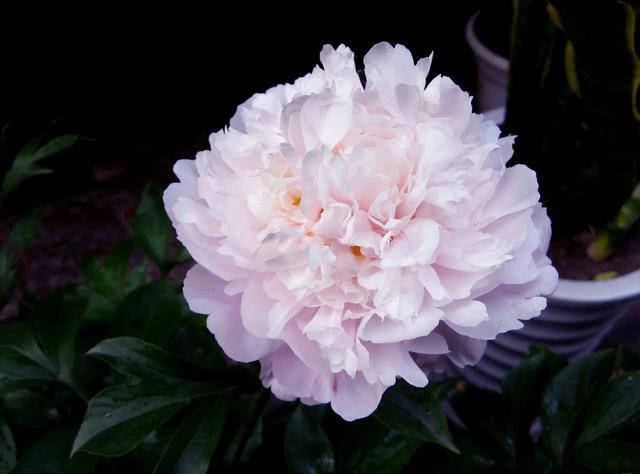
Peony root rot is mostly caused by overwatering, so stop watering so desperately
We may not have heard much about the peony plant, but you have surely seen its huge flowers at some point. This plant is relatively easy to care for, but it can also develop minor problems, such as root rot. Many friends are...
-

Why do flowers in self-watering pots die so easily? It is mostly caused by waterlogged soil and root rot
It is said that watering plants takes ten years of practice, and many gardening enthusiasts are stumped by watering. So a batch of "self-watering pots" (lazy pots) appeared on the market, claiming that if you use a self-watering pot, you do not need to worry about watering and the flowers will still thrive. Is that really true?
-
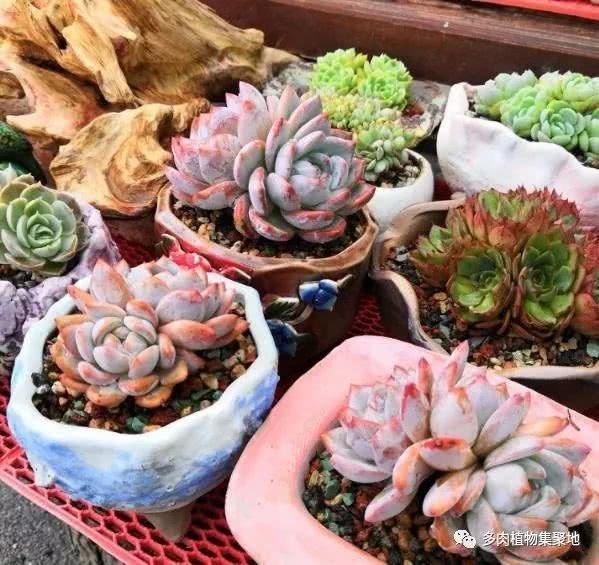
Black rot and waterlogging in succulents are mostly caused by a poor care environment
The factors that cause succulents to turn to water include sunburn, pests and diseases, freezing damage from low temperatures, or mechanical injury, but in most cases it is because too much water was given during the dormant period, and at the same time the succulent's metabolism is very slow, making its internal water content excessively high...
-
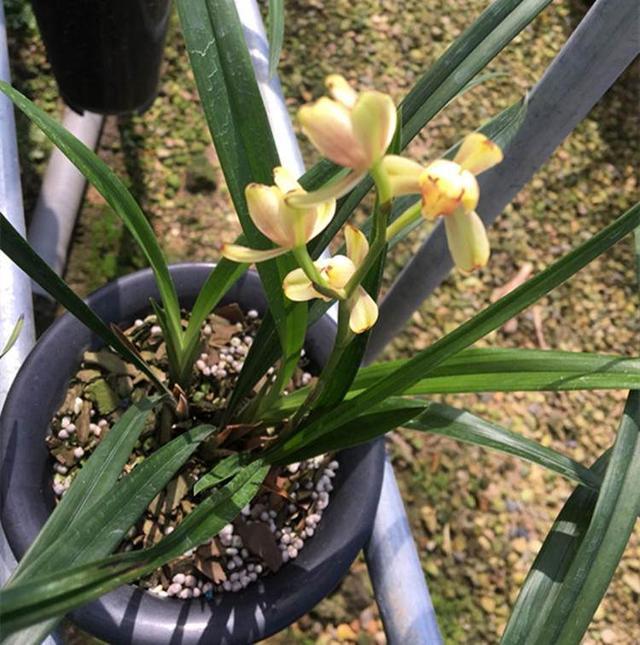
Orchids wasting away, not growing new shoots or blooming? It's mostly caused by 3 kinds of harm
When fellow flower growers cultivate orchids, they often find that the orchid suddenly becomes thin and weak, gradually developing yellow leaves and withering. Normal watering and fertilizing show no improvement. At this point, do you not know how to deal with it? In fact, if an orchid is gradually...
-
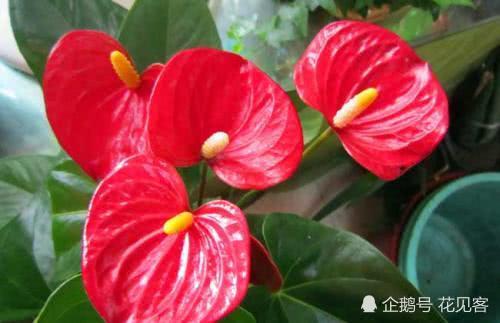
Short Anthurium Flower Stems and Small Spathes Are Mostly Caused by These 3 Details Being Done Poorly
Anthurium, also known as flamingo flower, has long flower stems and flat spathes that are leathery with a waxy sheen, orange-red or scarlet; its spadix is yellow and very beautiful; it can also absorb harmful gases such as formaldehyde from the air, and it also...
-
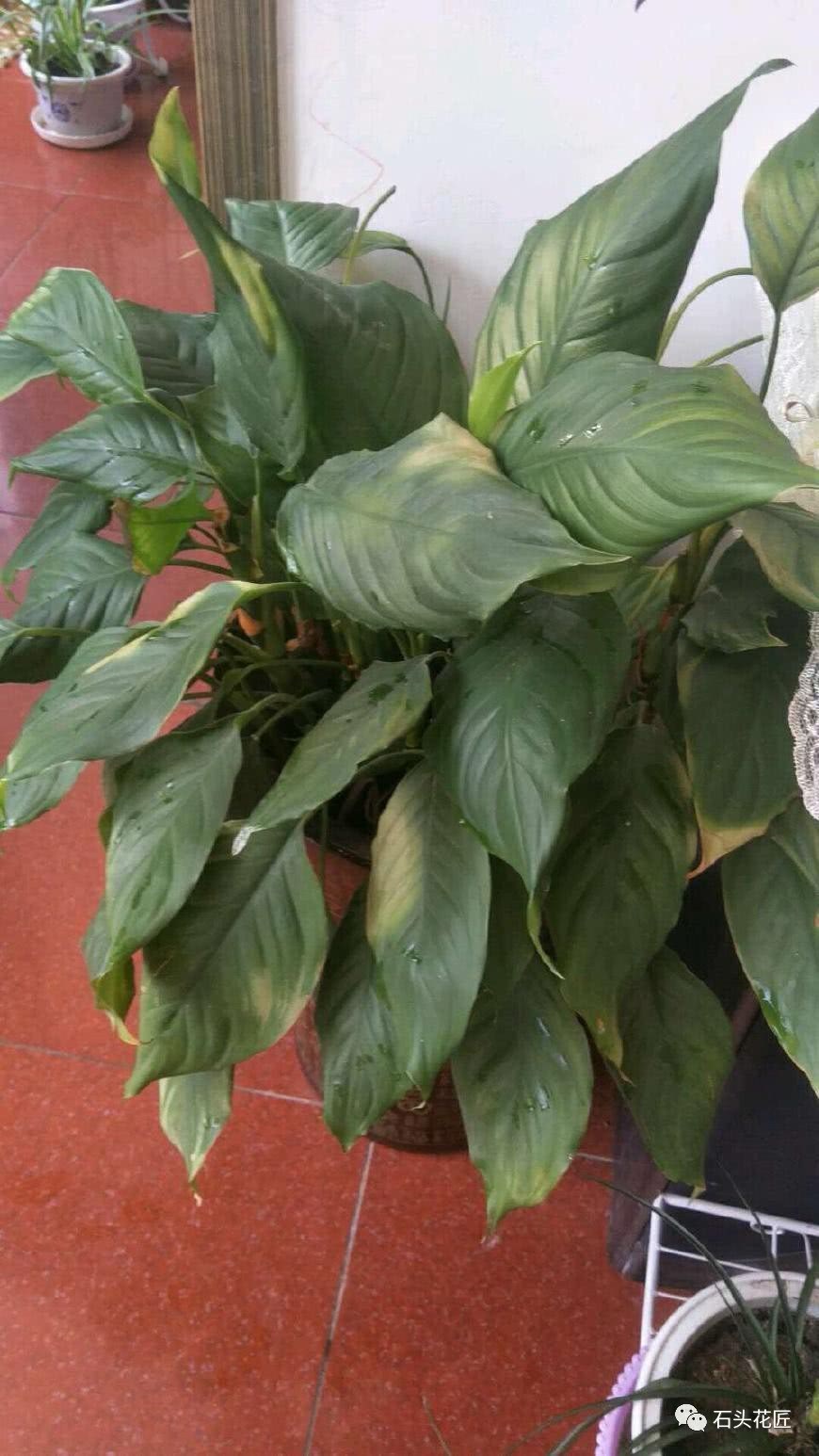
Yellowing leaves on the lucky bamboo plant are mostly caused by insufficient light and ventilation, and simply moving it to a different spot can solve the problem
Growing plants has become something more and more people enjoy, keeping some flowers and greenery indoors. It can beautify the home and also purify the air, and in your spare time, looking at the flowers and plants. It is also a way to relax your mind. There are many...
-
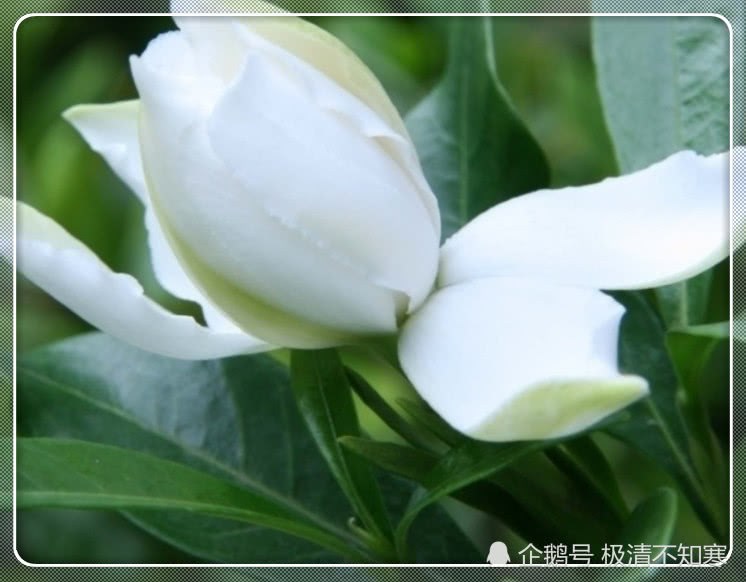
Always failing at growing gardenias? Yellow leaves, leaf drop and bud drop are mostly caused by ignoring these 4 tips
Hello everyone, welcome to today's article. Today I will continue to share with you some small flower-growing tips from the game. So, about today's exciting content, let's take a look together below! Many friends who grow flowers say...
-
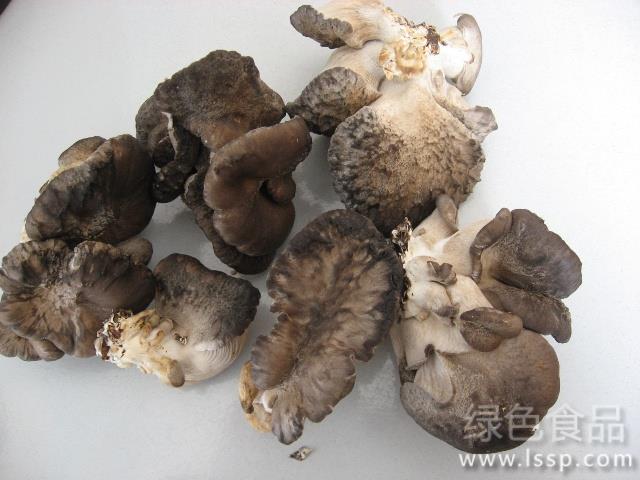
Oyster mushroom deformities are mostly caused by improper management; how can they be effectively prevented and controlled?
Oyster mushroom deformities are mostly caused by improper management; how to prevent and control oyster mushroom deformity disease
-
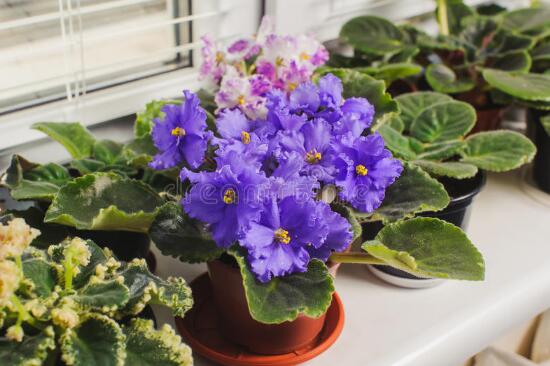
Yellowing leaves on African violets are mostly caused by insufficient light, overwatering, or improper fertilizing
Keeping an African violet indoors is a choice many flower lovers make; its leaves are emerald green and its flowers brightly colored, giving it excellent ornamental value. But during the growing process, for various reasons, many growers' African violets develop yellow leaves, seriously affecting the plant's ornamental appeal. So what causes yellowing leaves on African violets
条件筛选