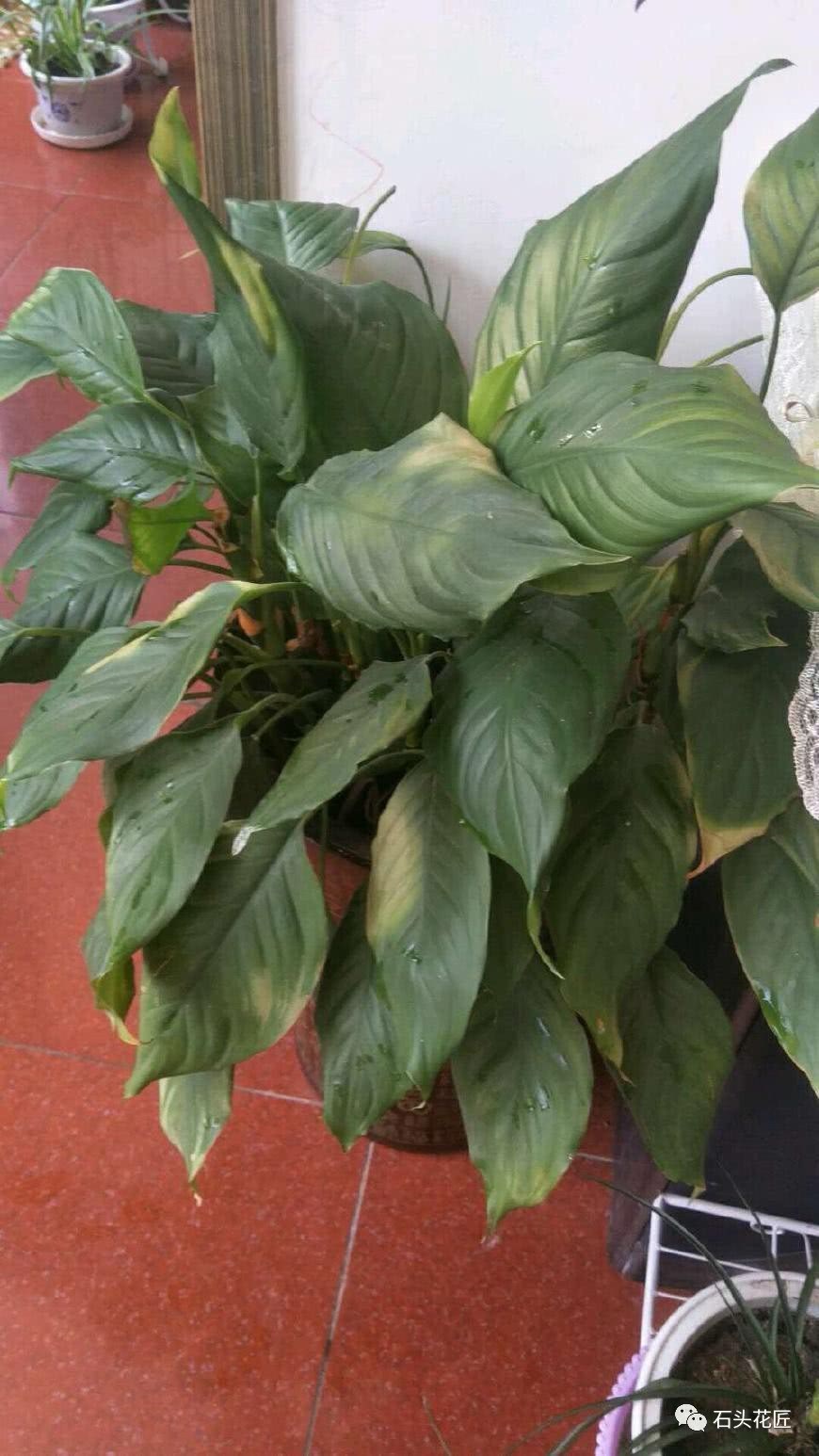
Yellowing leaves on the lucky bamboo plant are mostly caused by insufficient light and ventilation, and simply moving it to a different spot can solve the problem
Growing plants has become something more and more people enjoy, keeping some flowers and greenery indoors. It can beautify the home and also purify the air, and in your spare time, looking at the flowers and plants. It is also a way to relax your mind.
There are many flowers and plants that can be grown indoors, like foliage plants such as the lucky bamboo plant. It is a very shade-tolerant potted plant. It likes to grow in a moist environment with diffused light and good ventilation. But in home care. Lucky bamboo plants often develop yellow leaves. Actually this is because people have a slight misunderstanding about it. Although the lucky bamboo plant is very shade-tolerant, that does not mean it can be kept in a shaded environment for a long time, and if the plant gets poor light for a long time, it will not only easily develop yellow leaves, but also easily suffer from pests and diseases, and may rot.
When the lucky bamboo plant's leaves "turn yellow", it is just lacking "wind" and "light", and moving it to a different spot works wonders!
When the leaves of the lucky bamboo plant turn yellow in patches, it is not a very serious problem. It is mainly caused by a lack of ventilation and a lack of light. It should be dealt with promptly, and the method is very simple: just move the potted plant to a place with diffused light, such as a balcony, with diffused light and good ventilation. This helps the plant's leaves produce chlorophyll. After about two weeks. The leaves will gradually return to green.
About growing the lucky bamboo plant indoors. If you want the plant to grow robust and green. There are 3 points to note:
First, watering. The lucky bamboo plant likes to grow in a moist environment, but watering should be based on the growing environment. If it is kept on a balcony, the watering frequency can be a little higher; if it is kept in a shaded place indoors, water as little as possible, and before each watering check whether the soil is dry or wet, and water only after it is dry, watering thoroughly each time.
Second, fertilizing. The lucky bamboo plant is a foliage plant, and for fertilizing it is best to choose a quick-acting compound fertilizer. This can fully supplement elements such as nitrogen, phosphorus and potassium; another important point is that before each time the plant is potted up. Put base fertilizer at the bottom of the flowerpot, so that it can supply nutrients over the long term and meet the growth needs of the root system.
Third, pruning. The lucky bamboo plant grows new leaves very quickly. As the new leaves keep growing, the old leaves at the bottom should be pruned, otherwise the plant's nutrient supply will be insufficient, and the new leaves will turn yellow.
After paying attention to the above three points, what is very important for growing a good lucky bamboo plant is: ventilation and light. Let it grow splendidly, and increase ventilation and diffused light. This can not only prevent the plant's leaves from turning yellow, but also speed up growth, making the leaves grow green and glossy.
About growing the lucky bamboo plant indoors, a little tip for dealing with yellow leaves. If you find it useful, please like it below, follow, and share it with more friends.
I am [Stone Gardener], and I share content about gardening and flowers every day. Remember to follow me.