-
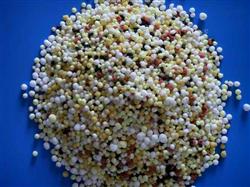
How to tell real fertilizer from fake? Keep these methods in mind
As the saying goes: "Fool the land for a moment, and the land fools you for a year." Once farmers buy and use fake or inferior chemical fertilizers, the losses caused are hard to make up for, which both dampens farmers' enthusiasm and harms farmers' interests. Below are the common methods for identifying real and fake fertilizers: Visual inspection First look at the fertilizer packaging. The fertilizer packaging bag must indicate the product name, nutrient content (grade), trademark, net weight, standard code, factory name and address, contact phone number, production license number and fertilizer registration number, etc. If the above markings are absent or incomplete and the packaging is rather rough, it may be fake or inferior compound fertilizer. Pay special attention to fertilizers whose packaging bag seals show obvious signs of being opened; this phenomenon may indicate adulteration. In addition, pay attention to the production date on the production certificate inside the fertilizer bag. If fertilizer is stored for too long, the total nutrients will be lost. Second, look at the fertilizer's granule size (or crystalline state). High-quality fertilizer has relatively uniform granule size and specific gravity, a smooth surface, and is not prone to absorbing moisture or caking, while fake and inferior fertilizer is exactly the opposite, with uneven granule sizes, a rough surface, high moisture, and easy caking. Third, look at the fertilizer's color. High-quality fertilizer has very uniform color, with no obvious color difference, and the entire granule is uniform from the inside out. Most fake fertilizer, however, is colored on the surface and easily loses its color.
-
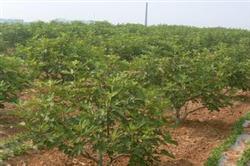
What are the key points to keep in mind when applying organic fertilizer to fruit trees?
1. Organic fertilizer should be applied in combination with chemical fertilizer. Currently, more than 90% of the organic fertilizer used in orchards is farmyard manure. These fertilizers contain large amounts of nitrogen, phosphorus and potassium as well as a certain amount of secondary elements (calcium, magnesium), trace elements (iron, boron, manganese, zinc, copper, etc.) and biologically active substances. They not only provide comprehensive nutrition for fruit trees...
-
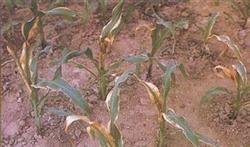
How to avoid herbicide damage? Keep these preventive methods in mind
1. Choose the right herbicide variety; for unfamiliar varieties or ones not previously used locally, it is best to conduct a trial first. 2. Use safeners to prevent damage. For example: before sowing corn, use NA (1,8-naphthalic anhydride) antidote at 0.5%-1.0% as a seed coating, which can protect corn fields from thiocarbamate herbicide damage...
-
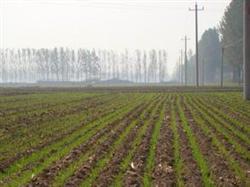
How to choose fertilizer when planting wheat? Keep these suggestions in mind
It is again the season of autumn harvest and autumn planting, a time when farmers buy fertilizer in large quantities. But with all kinds of fertilizers on the market, how should one choose? Some farmer friends are worried: they want to buy good quality but fear buying too expensive, and want to buy cheap but fear buying fake. So some people use whatever they used last year, and some follow...
-

Flower arranging is an aesthetic practice of cultivating the mind and nurturing one's nature
Source: Internet. A thousand branches slant across the eye, yet only two or three delight the heart. Snap a branch and place it in a vase, returning to the beauty of the spirit, letting life emit a wisp of fragrance. In the simple and unadorned artistic conception flows the whisper of the four seasons. What enters the eye is a painting, what enters the heart is Zen. Alone indoors, cherishing the shadows of flowers...
-
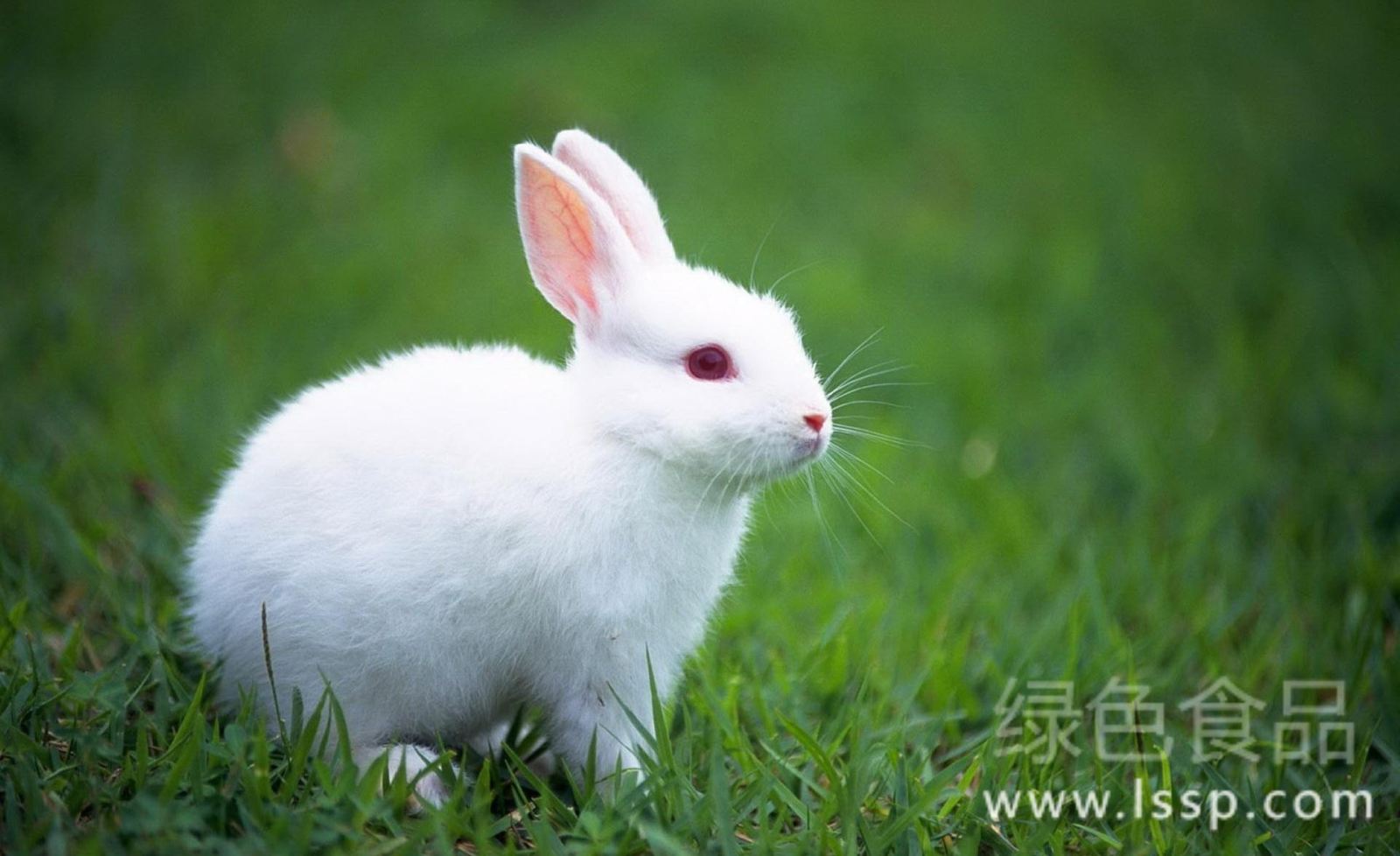
There's more to feeding rabbits vegetables than meets the eye: keep these three key points in mind
There's more to feeding rabbits vegetables than meets the eye: keep these three key points in mind
-
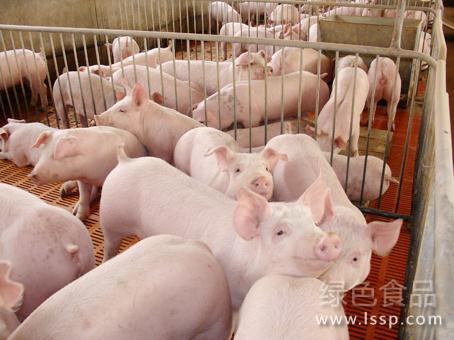
Keeping pigs warm in winter is very important; eight key points must be kept in mind
Keeping pigs warm in winter is very important; pay attention to eight key points
-
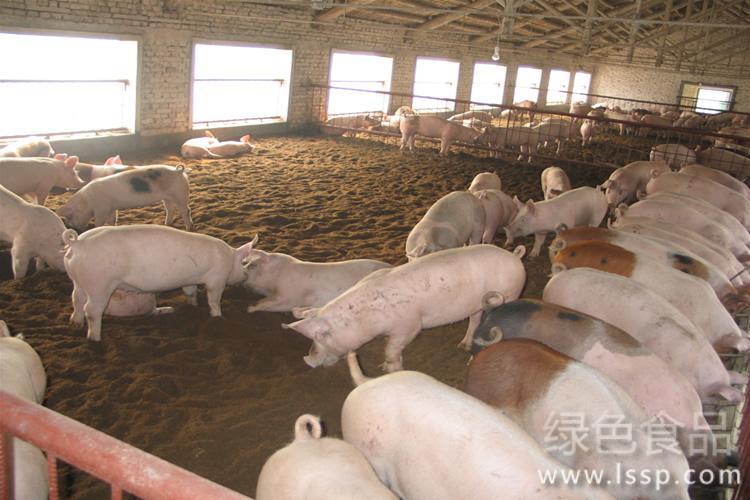
How do you deworm pigs? Farmers should keep these precautions in mind
Several precautions for farmers when deworming pigs
-
Autumn and winter are the golden period for livestock and poultry growth, and these feeding precautions must be kept in mind
The golden period of growth: precautions for livestock and poultry feeding in autumn and winter
-
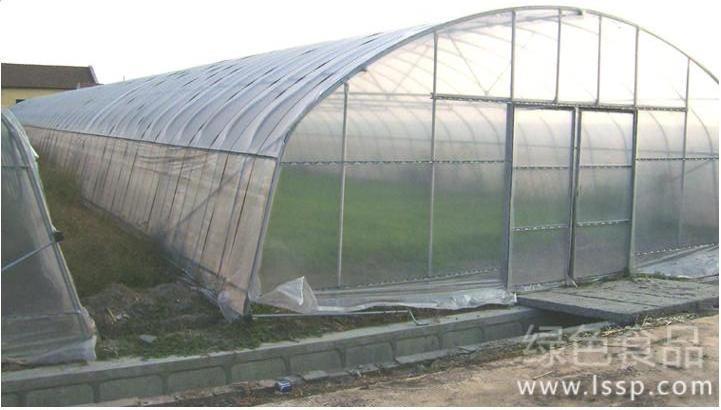
Improper high-temperature greenhouse sealing fails to kill bacteria: keep these precautions in mind
Improper greenhouse sealing fails to achieve the sterilizing effect: precautions for high-temperature greenhouse sealing
条件筛选