What are the key points to keep in mind when applying organic fertilizer to fruit trees?
1. Organic fertilizer should be applied in combination with chemical fertilizer. Currently, more than 90% of the organic fertilizer used in orchards is farmyard manure. These fertilizers contain large amounts of nitrogen, phosphorus and potassium as well as a certain amount of secondary elements (calcium, magnesium), trace elements (iron, boron, manganese, zinc, copper, etc.) and biologically active substances. They not only provide comprehensive nutrition for fruit trees...
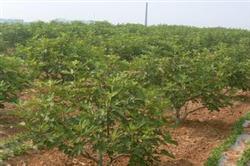
1. Organic fertilizer should be applied in combination with chemical fertilizer
Currently, more than 90% of the organic fertilizer used in orchards is farmyard manure. These fertilizers contain large amounts of nitrogen, phosphorus and potassium as well as a certain amount of secondary elements (calcium, magnesium), trace elements (iron, boron, manganese, zinc, copper, etc.) and biologically active substances. They not only provide comprehensive nutrition for fruit trees and promote their growth, but also have a long-lasting fertilizing effect, can increase and renew soil organic matter, promote microbial reproduction, and enhance the soil's capacity to retain water, hold nutrients and supply nutrients. However, due to the shortage of organic fertilizer sources, the amount applied is limited. According to relevant reports, only 83.1% of orchards in the main apple-producing areas of Shaanxi apply organic fertilizer, and among them 42% apply an insufficient amount, with an average application rate of only 1630 kg per mu, far below the actual standard of 3000 kg required, resulting in soil nutrient elements being unable to meet the needs of producing high-grade fruit and maintaining a vigorous tree condition. More importantly, fruit trees need a balanced supply of nutrients. Although the nutrients in organic fertilizer are very rich, the ratio and content of nitrogen, phosphorus and potassium cannot fully meet the growth needs of fruit trees. Especially during the composting and decomposition process of organic fertilizer, the nitrogen content will further decline. If organic fertilizer alone is applied to meet the nitrogen requirement, phosphorus and potassium will be excessive, causing waste; if phosphorus and potassium just meet the needs of the fruit trees, nitrogen fertilizer will be insufficient. Therefore, applying organic fertilizer alone cannot simultaneously satisfy the demand of fruit trees for nitrogen, phosphorus and potassium, and it must be applied in combination with chemical fertilizer.
2. Applying undecomposed organic fertilizer causes harm to fruit trees
1. Burning the root system
Farmyard manure mostly comes from animal dung and is rich in organic matter. When these organic fertilizers are not decomposed, their nutrients are in a slow-release state and cannot be directly absorbed and utilized by the root system of fruit trees. If applied, during the underground decomposition process they easily generate heat that burns the roots (commonly known as "root burning"), causing root rot.
2. Nutrient release and the tree's fertilizer demand are not synchronized
After undecomposed organic fertilizer is applied in autumn, because soil temperatures in autumn and winter are low and it is mixed with the orchard soil layer, these organic fertilizers take a relatively long time to decompose underground. According to the author's soil excavation survey in an orchard where raw manure was applied 3 years ago and no organic fertilizer was applied in the following years, some raw manure was still found in its original state. In the spring of the second year, although the ground temperature had risen, the main apple-producing areas in northern China generally receive relatively little rain in spring, so the applied organic fertilizer still decomposed very slowly. At this time the tree needs a large amount of nutrients to support flowering and fruiting, but the limited organic nutrients released by the slowly decomposing organic fertilizer simply cannot meet the tree's needs. At the same time, during the decomposition process microorganisms will also consume part of the original nutrient elements in the soil around the fruit tree roots (such as nitrogen fertilizer), and the tree often shows signs of malnutrition. When the second year's summer and autumn arrive, with increased rainfall and a rapid rise in ground temperature, the undecomposed manure from the previous year decomposes noticeably faster, releasing more organic nutrients that can be absorbed by the tree, causing accelerated tree growth, a large number of water sprouts, poor fruit coloring, excessive vegetative growth and poor flower bud differentiation, so that large amounts of organic nutrients are wasted in vain and the tree's nutrient supply is thrown out of balance.
3. It easily attracts pests that overwinter underground
Because undecomposed organic fertilizer contains large amounts of animal-derived organic matter, it becomes an ideal overwintering site for many fruit tree pests, and is especially likely to attract various scarab beetles (white grubs), peach fruit borers, inchworms, oriental moth caterpillars, pear lace bugs and so on that harm fruit trees, which is extremely unfavorable for pest control in the following year.
3. Composting, decomposition and application of organic fertilizer
When composting undecomposed organic fertilizer, the composting site should be chosen in a place that is sheltered from the wind, faces the sun and is high and dry. Lay agricultural film on the composting ground or choose a cement floor. Break up the clumps of livestock manure in the farmyard manure, chop straw to below 5 cm and crush it, then mix in about 3% superphosphate and turn the manure and soil evenly before piling up. Adding superphosphate is mainly to prevent the loss of nitrogen in the organic fertilizer and can also increase microbial activity. After piling, pat the surface flat with a shovel, coat it with about 10 cm of mud or cover it with agricultural film, and press the edges down tightly to create an oxygen-deficient environment so that it decomposes as quickly as possible. Farmyard manure can be decomposed after about 60 days of piling. When the color of the organic fertilizer changes from its original gray to purple or black, the texture becomes loose and there is a foul odor, it indicates that it has fully decomposed and should be applied to the orchard promptly. When applying fully decomposed organic fertilizer to the orchard, choose a position outside the vertical projection of the tree canopy, dig a fertilization ditch 30-40 cm wide and 30-40 cm deep, mix the organic fertilizer evenly with an appropriate amount of chemical fertilizer (nitrogen and phosphorus fertilizer) and topsoil, put it into the bottom of the fertilization ditch, and finally cover it with the subsoil dug out from below, or broadcast it over the whole orchard and then turn it into the soil layer after broadcasting.