Flower arranging is an aesthetic practice of cultivating the mind and nurturing one's nature
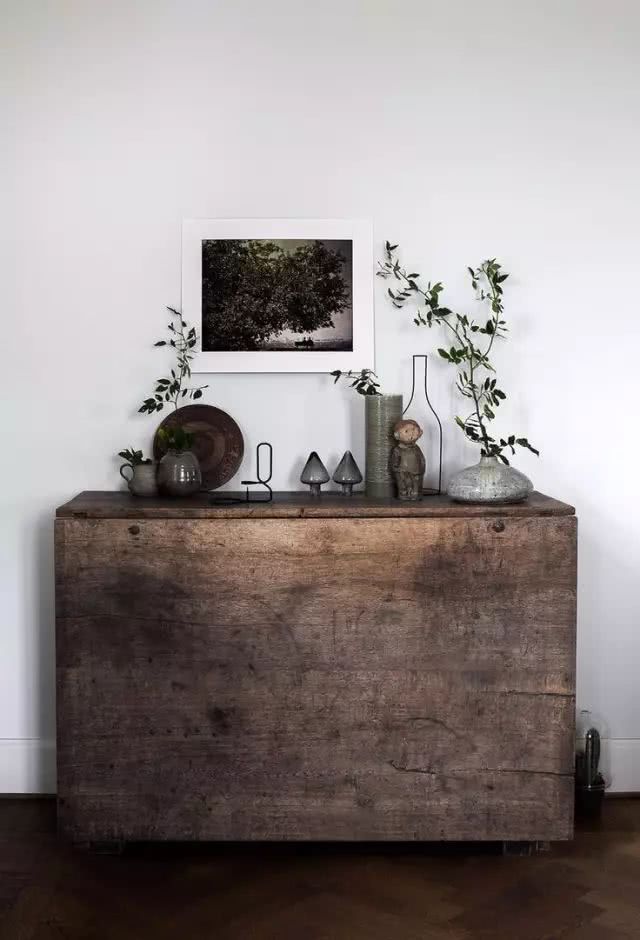
Source: Internet
A thousand branches slant across the eye
Yet only two or three delight the heart
Snap a branch and place it in a vase, returning to the beauty of the spirit
Letting life emit a wisp of fragrance
In the simple and unadorned artistic conception
Flows the whisper of the four seasons
What enters the eye is a painting, what enters the heart is Zen
Alone indoors, cherishing the shadows of flowers
The mind finds its resting place
The ultimate beauty of simplicity
Like flowers in the wild, like the cool breeze
The abundant beauty of emptiness
Like fish in the deep, like the pure moon
One part more is too much, one part less is not enough
Dense and light in harmony, simple and elegant, clear in heart
Sparse and scattered, endless in charm
Refined living, offerings of heaven and earth
Flower arranging began in the Six Dynasties period, appearing as an offering to the Buddha; it was the Chinese way of using flowers to express reverence for life.
It later reached its peak through the Tang and Song dynasties. With the participation of Song dynasty literati, flower arranging became an elegant pursuit of daily life. During the Northern Song period, shops specializing in flowers appeared, and the refined life of the Chinese began to spread. Flower arranging appeared in every corner of life; among the common people, flower arranging in studies and halls could be seen everywhere.
Elegance became people's daily life, and a single flower became the ancients' offering to life. Yet looking at the present, we have forgotten our own elegance, while treating Japanese ikebana as sacred, unaware that this is a refinement China has carried on for a thousand years. When Japanese ikebana succeeded in its UNESCO heritage application, our cultural confidence would once again fall into a collective crisis.
The vessel need not be precious, the flower need not be fragrant
Every art has its source, and this land of China is the living springhead of flower arranging. Flower arranging emerged from the ancient art of painting broken branches, flowers and birds, which added a sense of depth to Chinese flower arranging. Even after thousands of years, however the vessels and forms of flower arranging may change, it ultimately cannot break free from the traditional core of Chinese art.
Many people may wonder that flower arranging seems far from them, but it is not so. Flower arranging is the simplest aesthetic practice. The vessel need not be precious, so long as it is elegant; the flower need not be fragrant, so long as it clears the heart.
Ceramic jars, bronze vessels, a branch of spring blossom, a few branches of autumn tree, can all become the elegance on your table. What matters is the cultivation of the mind and nature, letting us feel the warmth of culture growing from this soil. Like the warm spring breeze, it lets the seeds of aesthetics blossom into fragrance on every branch.
Clear and ethereal, endlessly rhythmic
We often say, "In poetry there is painting, in painting there is poetry." In fact, flower arranging in life is itself a painting, a poem, with heights and lows in graceful disarray, density and sparseness in harmony, tranquil and enduring, pleasing to the eye and heart.
That is the coordinated beauty of the union of void and solid, of the proportion of yin and yang. When we can feel the aesthetic element in everyday flower arranging, then our understanding of elegance becomes a praise of life.
This is the cultural consciousness of the Chinese people, and also the foundation of the artistic realm. View the beauty of life with a clear and open mind, and let life blossom into a branch of fragrance, swaying in grace.
I still remember the affairs of youth: do not hurry when arranging flowers
Who pities a single flower, sending boundless spring
Bright window facing the west wind, breaking open four or five branches of blooming flowers
--THE END--
"Flowers, Wild, Nature"
The most readable WeChat public account in the field of floral art
Flower friends exchange: zouzaidalulogo Design: zouzaidalu
Floral aesthetics | Plant aesthetics | Life aesthetics | Plant & floral exploration