Keeping pigs warm in winter is very important; eight key points must be kept in mind
Pig farming
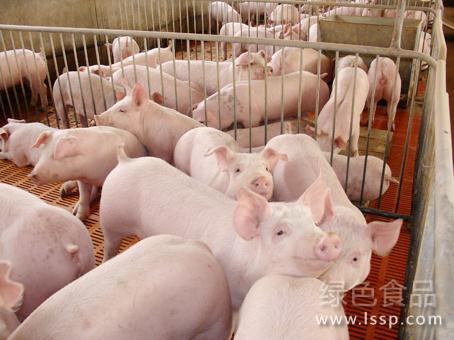
Temperature is the driving force behind the growth and development of all things. In winter, the temperature drops noticeably, and under the influence of cold stimulation, pigs are highly prone to illness, which affects normal growth. If effective methods are adopted to scientifically keep out the cold and raise the temperature, it will not only promote healthy fattening of pigs but also reduce the occurrence of various respiratory and intestinal diseases, increasing the income of pig farmers. Several common insulation methods are introduced below.
1. Repair the pig house
The pig house should be located on high, dry, sunny ground. The window openings on the north, west and east sides must be sealed, and gaps in the roof and walls should be repaired promptly. The windows and ventilation holes of the pig house should be 1-1.5 m above the ground and their size should be adjustable, so as to keep the house temperature relatively stable.
2. Hang wind-blocking curtains
Before winter arrives, cover all doors and windows of the pig house with plastic sheeting to keep it warm and protect against the cold. On the windward side of the pig house, build windbreak walls with rice straw or corn stalks, or pile up straw stacks to block the wind, so as to prevent wind from invading the pig house.
3. Build a house within a house
Build a house within a house inside the pen, using plastic film and felt. Plastic film lets light through and retains heat, while felt is breathable and traps warmth, and together they can raise the house temperature by 5-7°C. Building a house within a house has the advantages of low investment, simple construction and quick results. It should be built according to local conditions and with whatever is available; a suspended ceiling form about 1.8 m high can be built, with a ventilation window left above for timely ventilation and air exchange.
4. Add bedding
⟧ Spread 15-20 cm thick sawdust, rice husks and dry grass on the pig bed; besides insulation, this also absorbs moisture and removes dampness. Check frequently and replace urine-soaked dry grass; when pig urine is found, promptly remove the wet grass and replace it with dry grass to keep the pig house dry and comfortable. On sunny days around noon, spray peracetic acid or add quicklime under the bedding to remove ammonia and moisture, and appropriately open the joints of the house within a house to expel ammonia and dampness from the house.
5. Add bed boards
During the piglet stage, where conditions permit, it is best to use warm bed boards such as wooden boards, bamboo boards or thickened fiberboards; where conditions do not permit, cement precast slabs can be laid.
6. Increase the daylight area of the pig house
When the pig house is first built, its daylight area should be taken into account. An open-style pig house should have a relatively large open area so that it can be covered with plastic film in winter for daylighting. A closed-style pig house should have reserved windows on the south wall and the roof so that glass can be installed in winter.
7. Increase stocking density
Pigs raised separately can be grouped together; the number of pigs in the house can be increased by 30-50% compared with summer, using the body heat between pigs to raise the house temperature. Note that when new pigs are introduced into the pig house, this should be done after dark; spray the pigs' bodies with liquor or low-concentration Lysol solution before grouping them, and the keeper needs to observe them for several hours to prevent fighting. You can also choose a clear, warm day to drive the pigs outside to bask in the sun and increase exercise, improving the pigs' resistance to cold weather.
8. Provide high-quality feed formulation
When formulating the daily ration for pigs, appropriately increase energy feed such as sorghum and corn, or choose high-quality complete feed produced by a reputable manufacturer. Some farmers like to ferment the feed before feeding it, but the pigs must be given warm water to drink; the number of feedings can be increased, with one extra night feeding around midnight each night, to enhance the pigs' cold resistance and disease resistance and promote rapid growth. Chinese herbal medicines that promote blood circulation and remove blood stasis, strengthen the spleen, and dispel wind and cold can also be added to the feed, which can both promote rapid fattening of pigs and prevent cold and disease. The prescription may use 20 grams each of chuanxiong, fuling, jingjie, fangfeng, zhishi, qianghuo, chaihu, shanzha, cangzhu, binglang, shenqu and gancao. Fry 30 grams of malt, grind it into powder and mix it into the feed at 0.2-0.5%, feeding it 2-3 times a week.
Pig farming
To ensure pigs pass the winter safely, attention must also be paid to guarding against the following eight situations:
Guard against wind invasion
In winter, the pig house must have wind holes sealed, straw curtains hung and windows pasted over, to prevent "cross draughts" from blowing in through wind openings such as rat holes, cracks, gaps and broken roofs in the pen. Ventilation holes can be left at least 1 m above the ground.
Guard against dampness
Keeping the pig pen dry is one of the main measures to ensure pig health. Air is a heat-conducting substance, and the more humid it is, the stronger its heat conductivity. The pig's body becomes cold, and crushing injuries, pressure injuries and even death may occur, and diseases are also likely to break out. Therefore, the pen should be bedded frequently to keep it dry, and pigs should be trained to defecate and urinate at fixed spots, so that they have a dry place to lie down.
Guard against low temperatures
The most suitable temperature for pig growth is 15°C-25°C. The temperature for normal growth should generally also be above 8°C. To ensure normal growth and development of pigs, the best method is to use warm-shed housing, that is, cover the surrounding roof with relatively thick plastic film; the covering should have a slope of about 30 degrees to facilitate daylighting. If the pen temperature is too high at noon, let air in for ventilation, and clear away snow promptly after snowfall.
Guard against cold food
In winter, pigs eat mainly to keep out the cold and gain weight, while sows need to ensure the normal growth and development of their fetuses, so energy feed should be appropriately increased when formulating the ration, to increase their cold resistance. When feeding, mixed feed is best given raw and dry; if a small amount of water must be mixed in, the water temperature should also be around 25°C. If the balanced feeding method is adopted, the drink should be warm, and it should be given in small amounts and frequently, to prevent cold and freezing.
Guard against irregular feeding
When feeding pigs, feed quality and feeding times should be kept stable, and the ration should be formulated according to different production performance and different growth stages. Never change quality suddenly; if feed is changed, the amount increased, or the feeding method altered, this should also be done gradually and slowly.
Guard against cold drinking water
Pigs have a great demand for water, and their water needs are very important. If no water is provided in the pen, the pigs will eat snow, eat ice cubes and drink urine, which will inevitably cause digestive tract diseases or other ailments. Therefore, warm, clean drinking water must be supplied constantly, both to prevent disease and to meet the pigs' needs.
Guard against biting and fighting
For normal growth of pigs, the feeding must be nutritionally complete. A deficiency of one or several components will not only slow growth but may also lead to the "vice" of biting and fighting, and this is even more likely in winter when green feed is relatively scarce. Therefore, the feed should be supplemented with multiple vitamins, minerals and trace elements, and pigs should be grouped by strength and penned by size; castration should also be carried out at the proper time.
Guard against epidemics
In winter, the temperature is low and the air is dry, so pigs are very prone to digestive tract diseases, respiratory diseases and infectious diseases. For healthy development of pig production, the pig pen must always be kept clean, neat and hygienic, the pens should be scrubbed and disinfected or sprayed with disinfectant regularly and irregularly, pigs should be vaccinated, and commonly used medicines should be kept on hand, so that sick pigs can be isolated and treated early.