-
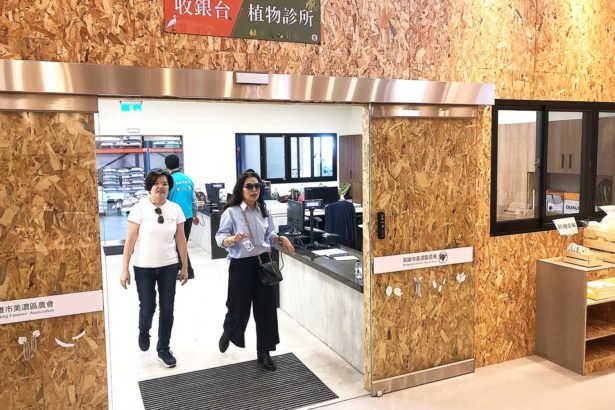
The farmers' most upscale grocery store! Buy natural agricultural materials as if shopping for fine goods, with a plant clinic on site for immediate consultations
The farmers' most upscale grocery store! Buy natural agricultural materials as if shopping for fine goods, with a plant clinic on site for immediate consultations
-
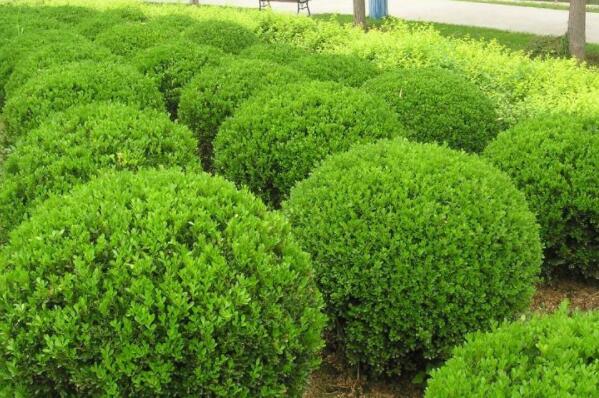
What about the price, flowering period, planting and bonsai of privet (Ligustrum quihoui) seedlings as hedge material?
Ligustrum quihoui is a small shrub in the genus Ligustrum of the family Oleaceae, also called small-leaved holly, small white wax, chinaberry green, and small-leaved water wax tree. It is an excellent tree species for making bonsai. So how much does a Ligustrum quihoui seedling cost? In which month does it bloom? How do you plant it? How do you care for it as bonsai? How much does a Ligustrum quihoui seedling cost?
-
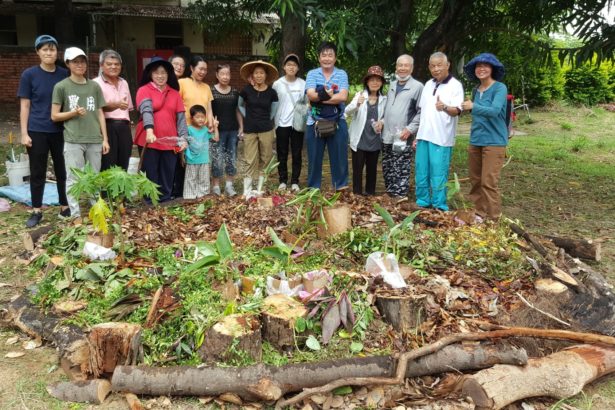
NCKU Mango Green Beauty Spot: A Demonstration of Coexistence and Mutual Prosperity with the Land Through Campus Material Recycling
NCKU Mango Green Beauty Spot: A Demonstration of Coexistence and Mutual Prosperity with the Land Through Campus Material Recycling
-
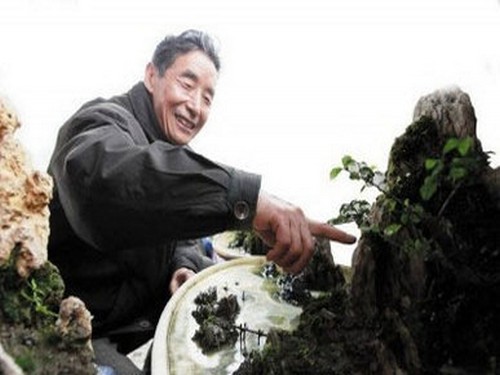
How to achieve simplicity amid complexity and apply techniques according to the material in bonsai creation
The creative process of bonsai art is a long, meticulous, and painstaking one. You must not only master the traditional basic knowledge, but also carefully savour the various kinds of knowledge brought by experience through earnest and meticulous work. To put it plainly, it is about seeking a way out within the basic rules and conventions.
-
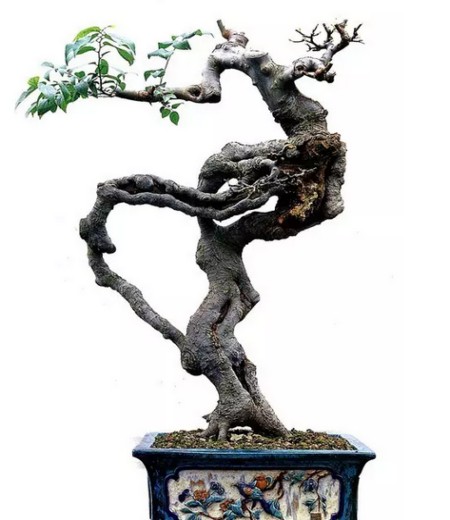
Bonsai art is a comprehensive plastic art that uses natural scenery as its material
Bonsai artists use creative techniques and reasonable layout to cultivate artistically shaped trees, flowers and plants, or artistically processed various rocks, in pots of different depths, lengths and widths, shapes and sizes, and colors and textures, so that they form a scene imitating nature
-
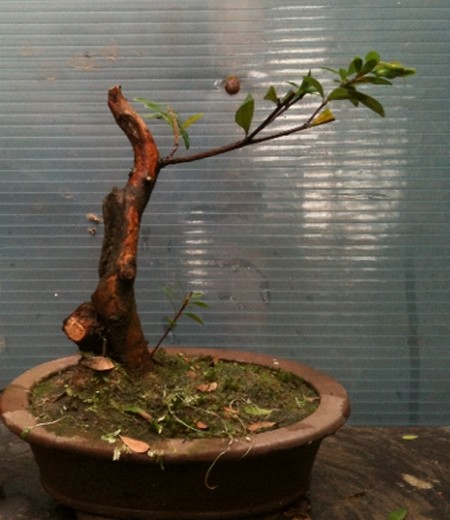
Detailed Explanation of Methods for Sourcing Material for Syzygium buxifolium Bonsai Creation
Syzygium buxifolium is a wild evergreen shrub of the mountainous regions of Jiangnan, rarely cultivated artificially. According to its ecological habits and biological characteristics, it can be propagated by sowing or cuttings. However, for making bonsai, wild plants or old stumps are mostly used. Collection from the wild: in the mountainous hills of Jiangnan
-
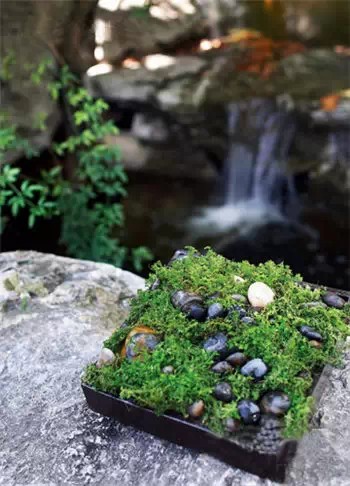
How to make a living bonsai in stone crevices? Materials and methods explained in detail
The tenacious life in the crevices of stones often moves us to tears. It is the restless wind that scatters seeds no one gathers to the ends of the earth. When they can no longer find soil, they place their last hope of life in this thin line of stone crevice. Although they can also share warmth from the sunlight
-
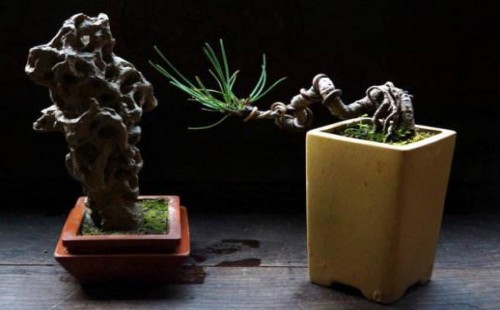
What Kind of Wire Is Best for Bonsai Shaping? A Full Breakdown of Material Selection Key Points
There are quite a few shaping techniques for bonsai trees, and different shaping techniques often need to be carried out with different tools or materials. Among them, the most commonly used is wire, but considering that ordinary wire wrapped around bark will oxidize, corrode and so on over time
-
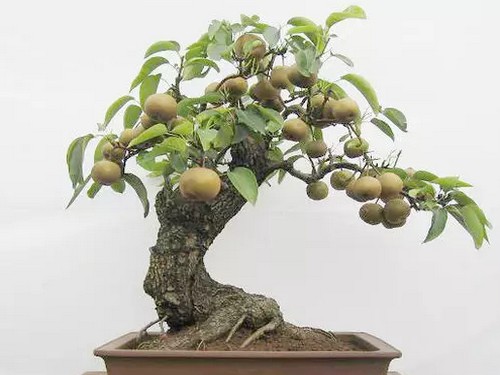
What are the methods for obtaining material for pear bonsai?
Pear trees are suitable for making many different styles of bonsai, such as formal upright, slanting, curved trunk, double trunk, forest, cascade, and semi-cascade. Pear trees have well-developed root systems and can be raised as needed to enhance the bonsai's sense of age and antiquity. There are many suitable rootstocks for pears, such as Ussurian pear (Pyrus ussuriensis) and birchleaf pear (Pyrus betulifolia), which can be propagated from seed
-
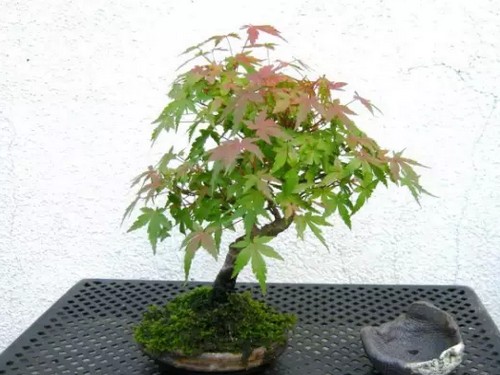
How to source material for a Japanese maple (Acer palmatum) bonsai
Acer palmatum is native to the provinces in the middle and lower reaches of the Yangtze River basin in China, and is also found in Shandong and Zhejiang. It is distributed in Japan as well. It is a common ornamental tree species in gardens, and also grows wild in mountainous areas. It prefers light, and a warm, humid climate; it is not very cold-tolerant, and thrives in humus-rich, fertile, moist acidic or neutral soil. For pot cultivation, avoid the western sun and direct sunlight.
条件筛选