-

Cultivation and Management Methods and Technical Key Points for Spray Chrysanthemums
Chrysanthemums are one of the ten traditional famous flowers of our country. They can be grown in a wide range of regions, with many varieties, abundant flower colors, and changeable flower forms. They bloom proudly in the frost of late autumn when a hundred flowers have withered, and have high ornamental value. Potted spray chrysanthemums in particular are deeply loved by people because of their compact plant form, neatly arranged flowers, and ability to display varietal characteristics. How to grow spray chrysanthemums well - technique is the key. 1. Pot soil preparation. Whether chrysanthemums grow well and how they bloom is closely related to pot soil preparation. Chrysanthemums dislike waterlogging and tolerate drought, like a certain amount of fertility, and
-
Key Cultivation Techniques and Management Methods for Sichuan Pepper Seedlings
I. Land Preparation (1) Land Preparation Methods. When establishing an orchard on flat land, the entire site can be prepared. Deep plow 30-50 cm, and during deep plowing apply 4000-5000 kg of base fertilizer per mu, then level and harrow fine. A strip preparation method can also be used: dig trenches 1-1.2 m wide, keep the subsoil and topsoil separate, then mix farmyard manure thoroughly with the soil and fill it back into the trenches, filling to 20 cm from the ground surface, and dig the planting points into large pits of 1 sq m. If establishing an orchard on a gentle hillside, reverse-slope terraces with the outer edge higher and the inner edge lower can be built along the contour lines; the width of the terraces should preferably be 1.5-2.5 m
-
Key Techniques for Planting Xiangsi Tea and Cultivation Management Methods
Xiangsi tea is made by drying and sun-processing the vines and leaves of the rosary pea (Abrus precatorius). The best quality is judged by a high proportion of leaves and a blue-green color. It should be noted that the seeds of the rosary pea are toxic; they are one-quarter black and three-quarters red in appearance, and are used externally to treat ringworm, scabies, carbuncles, and eczema, but must not be taken internally. The cultivation techniques for the rosary pea are as follows: 1. Site selection. The rosary pea originally grows in moist hilly mountainous areas and by mountain streams. For artificial cultivation, terraced fields and sloping land with easy drainage and irrigation should be chosen, and it can also be planted in front of and behind houses or in flower pots. 2. Germination. Soak the seeds in clean water
-
Foxtail Millet Cultivation Techniques: Field Management Measures and Pest and Disease Control Methods
Foxtail millet cultivation techniques and field management - do you know them? Soil selection and land preparation with basal fertilizer application, sowing and thinning, weed control and intertillage with earthing up - are you clear on all of these? And there is also pest and disease control - if you do not understand, let us take a look together. (1) Soil selection
-
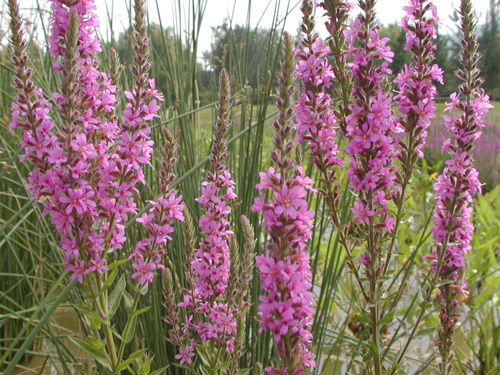
What are the cultivation and management methods for purple loosestrife (water willow)?
Purple loosestrife (water willow) Scientific name: lythrum salicaria. Aliases: water willow, water willow, opposite-leaf lotus, whip grass, antidote grass. Family and genus: Lythraceae, Lythrum. Morphological characteristics: perennial emergent herb. Stem erect, four-angled. Leaves opposite or in whorls of 3, sessile, narrowly lanceolate.
-
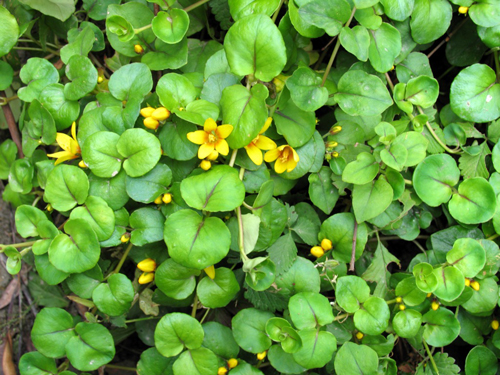
Care and Management Methods for Dichondra repens (Yellow Gall Grass, Moneywort)
Dichondra repens (Yellow Gall Grass, Moneywort, Pouch Grass) Scientific name: dichondra repens. Aliases: Small Moneywort, Pouch Grass, Meat Wonton Grass, Golden Key, Copper Coin Grass, Small Dichondra, Jaundice Grass. Family and genus: Convolvulaceae. Morphological characteristics: Perennial creeping herb. Leaves alternate, horseshoe-shaped, bright green.
-

Detailed Explanation of Lotus Cultivation Techniques and Management Methods
Lotus, also known as lianhua, furong, shuizhi, liuyuechun, etc. A plant of the genus Nelumbo in the family Nymphaeaceae, it is one of China's top ten traditional famous flowers. (1) Watering: Lotus is an aquatic plant, and the entire growing period of cultivated lotus cannot do without water. Summer is the peak growth period of lotus, and its demand for water is also at its greatest.
-

Butterfly Farming Techniques Explained: Environmental Management and Rearing Methods
Butterfly Farming Techniques
-

A Detailed Guide to Peafowl Breeding Technology and Feeding Management Methods
Feeding Management and Technology for Peafowl
-

条件筛选