-
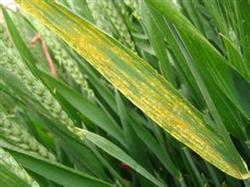
Wheat stripe rust can be managed by a zone-based strategy of treating key spots to protect the wider area
Wheat stripe rust is a serious biological disaster that has long affected the safe production of wheat in China. In years when the disease is common, wheat yields are reduced by 10%-20%, and in years of severe epidemic, losses can reach more than 60%, or even leave wheat with almost no harvest. Based on a comprehensive analysis of factors such as the amount of inoculum, weather conditions and variety distribution, it is predicted that in 2011...
-
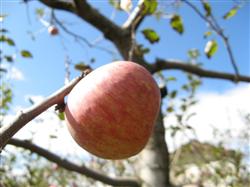
How should apple trees be managed after harvest?
Apples are a popular fruit. If management is neglected after apple harvest, yields will decline year after year. With proper management, not only can the damage that the cold winter brings to the fruit trees be reduced, but a foundation can also be laid for a bumper harvest the following year. 1. Apply "postpartum" fertilizer quickly, because during the fruiting period the tree body consumed a large amount of nutri...
-
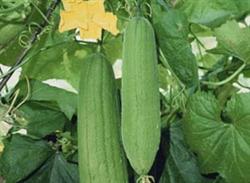
How can loofah be managed in deep winter to increase yield?
In winter, low temperatures causing low yields in various vegetables is what makes vegetable farmers feel most powerless! In Handong Village, Luocheng Subdistrict, Shouguang City, the author visited Master Zhu, an experienced loofah grower in the village. Thanks to proper management, although the loofah yield in Master Zhu's greenhouse was also affected by the low temperatures, it was...
-
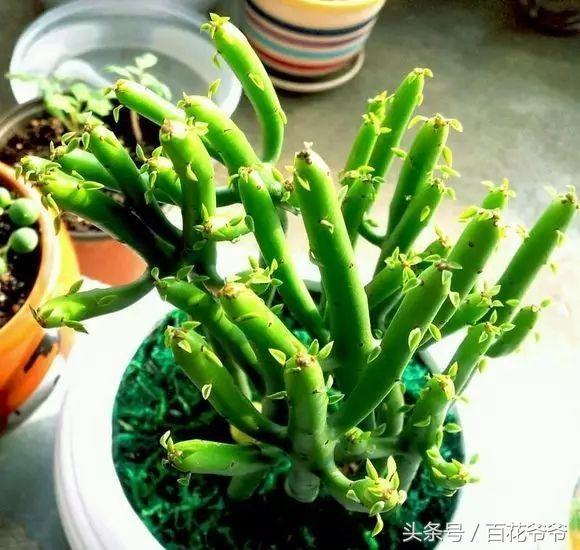
7 flowers said to be the easiest to grow in the gardening world - which one have you managed to kill?
Many people love flowers, but a large number of flower lovers have given themselves the affectionate title of "plant killer," so we often receive messages from flower lovers saying that they absolutely love flowers, but there is basically no flower they cannot kill. How to fix this? In...
-
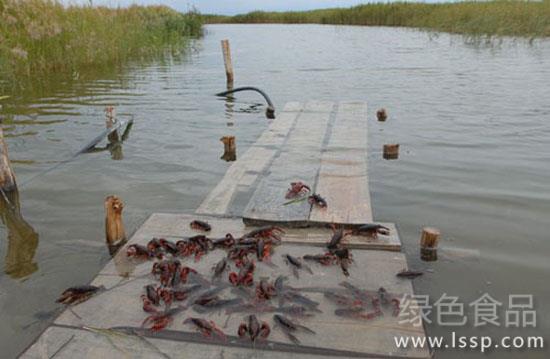
Crayfish molting affects growth: how should the molting period be managed?
Molting affects crayfish growth: how to manage crayfish during the molting period
-
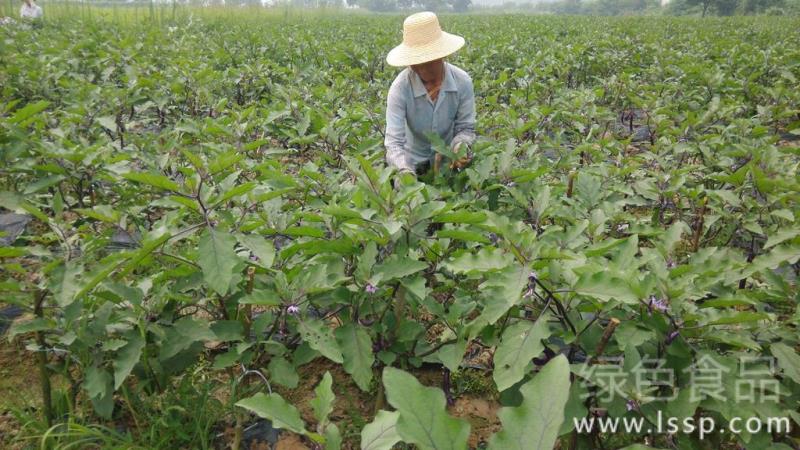
Open-field eggplants like water but cannot tolerate waterlogging. How should they be managed in summer?
Open-field eggplants like water but cannot tolerate waterlogging: how to manage eggplants well in summer
-
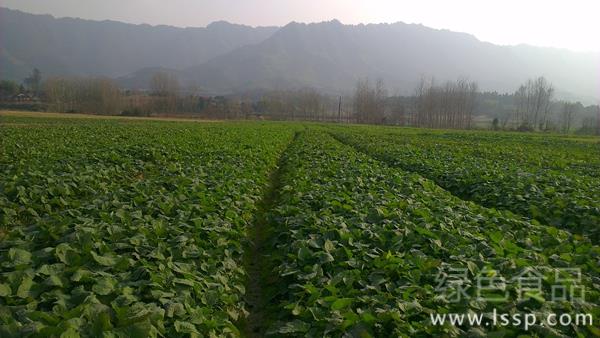
How should rapeseed be managed before winter to achieve strong seedlings and safe overwintering?
How to manage rapeseed before winter to achieve strong seedlings and safe overwintering
-

How should piglets be managed? These precautions need to be mastered
Precautions when managing piglets
-

How should red okra be managed during cultivation? A detailed explanation of the technical key points
How should red okra be managed during cultivation
-

How should cotton be managed after suffering a hail disaster?
Timely drainage to prevent waterlogging. Hail is often accompanied by violent wind and rain, which frequently causes water to accumulate in the fields; when soil moisture is too high, it easily damages cotton roots and affects the normal growth of cotton. After a hail disaster, trenches should be cleared and drainage carried out immediately to reduce humidity. Intertillage and loosening the soil. After a hail disaster, the cotton field soil becomes compacted, with low ground temperature and high humidity. All types of hail-affected cotton fields should be intertilled and loosened in a timely manner to break up compaction, raise ground temperature, promote root physiological activity, and help the cotton plants return to normal growth as quickly as possible. For severely damaged cotton fields where more than 80% of the cotton plants have bare stalks after the hail disaster, it is recommended to pull up the cotton plants and replant other crops, so as to minimize
条件筛选