Clever Tips for Hydroponic Alocasia macrorrhizos: Just Do These 3 Things
Alocasia macrorrhizos (giant taro) is a very common household plant, and many people grow this kind of plant at home, mostly in soil. In fact, Alocasia macrorrhizos can be grown hydroponically. If you do not know how, read on to see the clever tips for hydroponic Alocasia macrorrhizos: just do these 3 things.
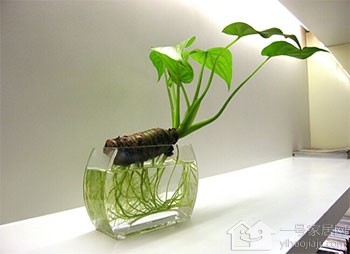
How do you grow Alocasia macrorrhizos hydroponically?
Method 1 for growing hydroponic Alocasia macrorrhizos: choose a well-growing plant, clear away the old leaves and dead leaves on the stem, keeping just two or three new leaves. Loosen the potting soil, take the plant out of the pot, then rinse the whole plant clean. It must not carry soil, because for one thing it easily pollutes the water, and for another it carries pathogens that easily cause root rot.
Method 2 for growing hydroponic Alocasia macrorrhizos: after cutting off all the soil-grown roots from the base of the rinsed Alocasia macrorrhizos plant, carefully check the stem for rot and pest damage. After pruning, fix it in place with planting baskets of different sizes according to the size and shape of the plant. Soak the whole planting basket in a 3%-5% thiophanate-methyl solution or carbendazim solution to disinfect for 5-10 minutes, then put it in a shady place to dry.
Method 3 for growing hydroponic Alocasia macrorrhizos: plant the dried Alocasia macrorrhizos together with the planting basket in a perlite rooting bed. By controlling the moisture, nutrients, temperature and light of the bed, initial roots (the original water roots) can grow in about 10-15 days.
Method 4 for growing hydroponic Alocasia macrorrhizos: when the initial roots grow to 2-3 cm long, it can be moved to an induction pool to induce water roots. At this stage, adjusting the dissolved oxygen content and EC value in the water is very important and determines the success of the induction, and the ratio of the nutrient solution must also be adjusted appropriately. When the water roots have grown to a certain number and length, it means the plant has adapted to growing in water, and it can be put in a bottle for static hydroponics.
The above is the relevant introduction in this article. I believe that after reading it you also have a simple understanding of this. If you need more, you can continue to follow No.1 Home Network to learn more information.