How to Grow Alocasia macrorrhizos and Precautions for Alocasia macrorrhizos
Growing methods and precautions for Alocasia macrorrhizos. Nowadays many people may care a great deal about growing Alocasia macrorrhizos, yet overlook the points to watch out for when growing it. As a result, many people report that the Alocasia macrorrhizos they grow turns out less than satisfactory, or dies not long after being planted. Below, the editor will analyze for you what the growing methods and precautions for Alocasia macrorrhizos are.
Growing Methods for Alocasia macrorrhizos
Growing methods for Alocasia macrorrhizos: Alocasia macrorrhizos is a very common green houseplant. But because it is a tropical plant, it generally does not bloom in the north. However, if the temperature and other conditions at home are suitable, it will bloom as well.
It does not have high requirements for soil, but grows best in well-drained sandy loam or humus loam containing organic matter. Because Alocasia macrorrhizos by nature loves a warm, humid and semi-shaded environment and is not cold-tolerant, during the growing season you must keep the potting soil moist.
Alocasia macrorrhizos is a flowering plant that loves plenty of water and plenty of fertilizer. It likes full light and likes loose leaf mold or sandy loam. Apart from the hot midsummer, when it should be properly shaded, it is best to give it all-day light in the other seasons. In addition, Alocasia macrorrhizos especially loves a high-temperature, high-humidity climate. In midsummer, spray water on the leaves every day at noon to increase air humidity; only in this way can the leaves of Alocasia macrorrhizos be large and thick.
If it is too shaded, the leaves will grow larger but become thinner, and the leaf stalks will also be brittle. The leaf stalks being too long and breaking is due to a lack of light. Alocasia macrorrhizos should be placed in a bright indoor spot, such as by a window, and needs at least 35 hours of light every day. Bright light is fine, but it cannot be exposed to scorching sun.
There is a saying going around: Alocasia macrorrhizos is unanimously recommended by designers as the "overlord of the large living room," and is also the best partner for the East Asian style with its strong cultural feel and the luxurious, grand American pastoral style.
In fact, the styles suitable for this "overlord" are far more than just the Southeast Asian style and the American pastoral style; styles like the Chinese style are also very suitable for it.
Because the leaves of Alocasia macrorrhizos are very large, it is very eye-catching when placed in a room. Using it to adjust colors and set off the home atmosphere is a very good choice.
This kind of ornamental plant is often used as the background of the home "picture," so without much thought we also know how suitable Alocasia macrorrhizos, a plant with an extremely strong presence, is for setting off a grand home background. Therefore, the Chinese style is also quite suitable for placing Alocasia macrorrhizos.
So, what style of home Alocasia macrorrhizos is suitable to pair with needs to be decided according to personal preference. A DIY-style mix-and-match style is quite good.
Precautions for Alocasia macrorrhizos
1. Suitable growing temperature for Alocasia macrorrhizos: 20-25°C is the most suitable growing temperature for Alocasia macrorrhizos. When the room temperature is below 18°C, Alocasia macrorrhizos will enter a dormant period and stop growing. Alocasia macrorrhizos likes a warm, humid and semi-shaded environment.
2. How to fertilize Alocasia macrorrhizos: The fertilization cycle for Alocasia macrorrhizos is once a month. Every 2 weeks, Alocasia macrorrhizos must be given an additional application. The potting soil of Alocasia macrorrhizos also needs to be moistened. Fertilization requirements: nitrogen fertilizer mixed with thin liquid fertilizer such as phosphorus and potassium fertilizers should be used as a supplement.
3. Precautions for watering: In summer, you can water Alocasia macrorrhizos more. People often say that the stems of the Alocasia macrorrhizos they grow rot. This is caused by water accumulation. If you give Alocasia macrorrhizos too much, this situation will occur, so when watering you must grasp the right amount.
4. The light issue for Alocasia macrorrhizos: For plants that like semi-shade, direct sunlight is what they fear most. When the leaves of a grown Alocasia macrorrhizos droop, it may be due to a lack of fertilizer. At this time, you need to add some liquid fertilizer to Alocasia macrorrhizos.
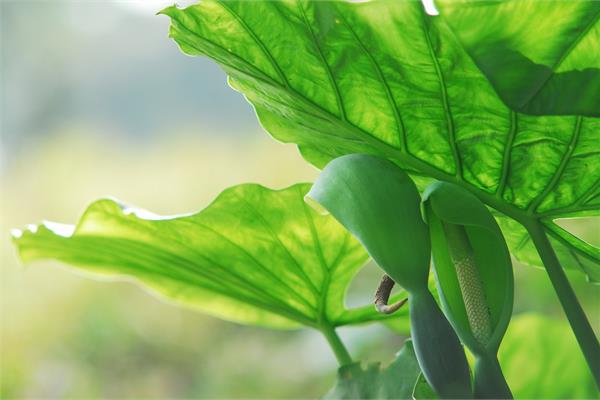
Alocasia macrorrhizos is an indoor foliage plant. Foliage plants have relatively large leaves, so their transpiration is also relatively strong; with a large amount of transpiration, more water is released into the air. Dry weather leaves everything in a state of water shortage, so growing a pot of Alocasia macrorrhizos at home in this season means you can breathe moist air when you come home. But its sap is toxic, so you must prevent it from dripping into the eyes or being taken by mistake, which can cause throat redness and swelling or eye inflammation.
The above is the relevant introduction in this article. I believe that after reading it you also have a simple understanding of this. If needed, you can continue to follow No.1 Home Network to learn more information.