How to Grow Alocasia macrorrhizos: Bring Vitality to Your Home Environment
Alocasia macrorrhizos is a foliage plant that many people like to grow indoors. It has fairly high ornamental value, and because its water evaporation rate is relatively high, it releases a lot of moisture into the air. If the weather is dry, growing Alocasia macrorrhizos is very suitable. Below, let us learn how to grow Alocasia macrorrhizos and bring vitality to your home environment.
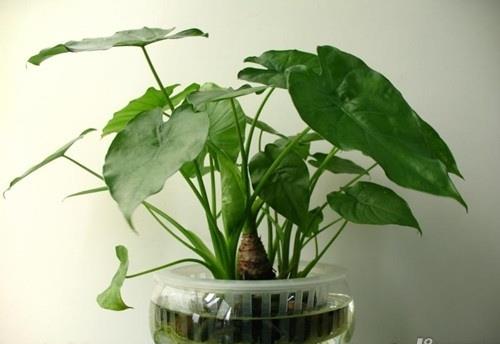
How to grow Alocasia macrorrhizos:
1. Temperature: 20-25°C is the most suitable growing temperature for Alocasia macrorrhizos. When room temperature is below 18°C, Alocasia macrorrhizos will enter a dormant period and stop growing. Alocasia macrorrhizos likes a warm, humid, semi-shaded environment. During cultivation, you must pay special attention to seasonal changes. Especially now that summer is approaching, be particularly careful to place Alocasia macrorrhizos in a semi-shaded, ventilated spot, and mist its leaves multiple times to maintain air humidity. Avoid excessively high temperatures causing abnormalities in Alocasia macrorrhizos. Alocasia macrorrhizos is not very cold-resistant. Depending on the temperature differences between north and south, it needs to be moved indoors in autumn and winter.
2. Fertilizing: The fertilizing cycle for Alocasia macrorrhizos is once a month. Every 2 weeks, a supplementary feeding must be given. The potting soil of Alocasia macrorrhizos also needs to be moistened. Fertilizing requirements: use nitrogen fertilizer mixed with thin liquid fertilizer such as phosphorus and potassium fertilizers as a supplement. When top-dressing, avoid pouring the fertilizer water onto the leaf sheaths, as this will cause Alocasia macrorrhizos to rot.
If you want the leaves of Alocasia macrorrhizos to be large and green, you can apply some ferrous sulfate to achieve this. If you want Alocasia macrorrhizos to look beautiful and attractive, you must avoid a lack of fertilizer. Once a fertilizer deficiency occurs, the stem of Alocasia macrorrhizos will shrivel and become bare. The Alocasia macrorrhizos you usually see comes in large and small sizes. If you want to grow Alocasia macrorrhizos small and attractive, when the seedling grows to the height you want, such as 40cm, spray the whole plant with a 2% paclobutrazol solution. In the later growth process of Alocasia macrorrhizos, you will find that its growth height will not exceed 40cm. If Alocasia macrorrhizos continues to grow, you can spray the whole plant again. Generally, spraying once about every half a year can achieve the effect of controlling height.
3. Watering: In summer, you can water Alocasia macrorrhizos more. People often say that the stems of the Alocasia macrorrhizos they grow become rotten. This is caused by water accumulation. If you give Alocasia macrorrhizos too much water, this situation will occur, so you must grasp the right amount when watering. In winter, Alocasia macrorrhizos will enter a long dormancy, so in winter you should control watering and stop fertilizing.
4. Light: For plants that like semi-shade, direct sunlight is the biggest taboo. When the leaves of the Alocasia macrorrhizos you are growing droop, it may be due to a lack of fertilizer. At this time, you need to add some liquid fertilizer to Alocasia macrorrhizos. When Alocasia macrorrhizos enters its flowering period, make sure it gets 3-5 hours of light every day. Otherwise, the buds will remain green and the leaf stalks will elongate, affecting its appearance.
The above is the relevant introduction in this article. I believe that after reading it, you have a simple understanding of this. If needed, you can continue to follow No.1 Home Network to learn more information.