-
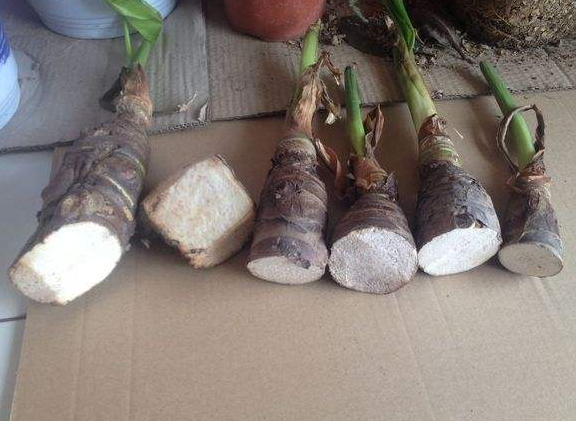
What to Do If Your Alocasia macrorrhizos (Giant Taro) Has Root Rot? I'll Show You the Right Way to Handle It
Alocasia macrorrhizos is prone to root rot in summer, mainly caused by soil that is too wet. Pull the plant up, cut off the rotten roots, and wear rubber gloves while cutting the roots (Alocasia macrorrhizos is toxic! Those with skin allergies should be careful.), and cut away a little of the healthy tissue near the rotted part
-

How to Grow and Care for the Green Plant Podocarpus macrophyllus 'Maki' (Shimaji)
Podocarpus macrophyllus is a special tree species native to Nantong, China. It is a primary material for making bonsai. The value of potted podocarpus bonsai is extremely high. So, how do you grow podocarpus? The editor will now introduce the main methods for you, let's take a look.
-
Detailed Explanation of Viburnum macrocephalum Grafting Methods and Pest and Disease Control Techniques
Viburnum macrocephalum seedlings usually need 7 to 8 years to bloom. If they are grafted with branches from adult geranium flower buds, they can bloom in the very first year after surviving. How does the grafting method work? The following is suitable for everyone. Viburnum macrocephalum grafting methods and pest and disease control methods
-
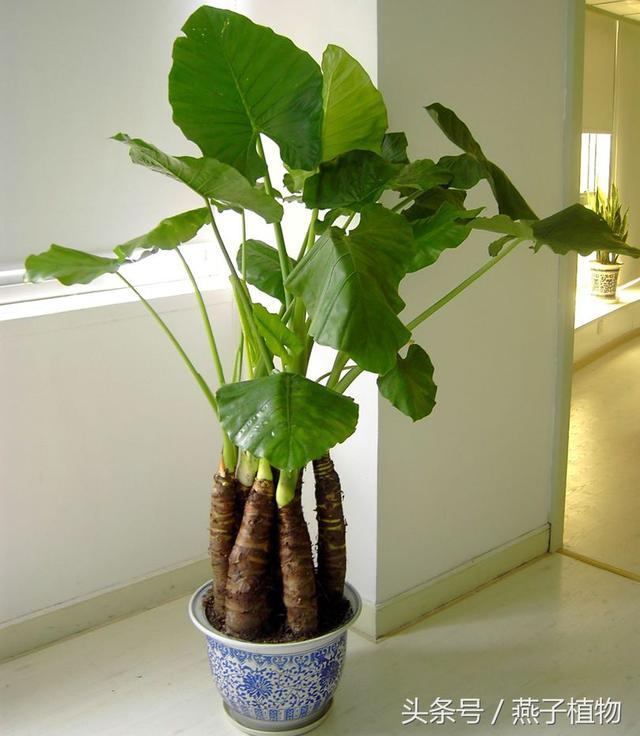
How to grow Alocasia macrorrhizos (Drip Guanyin)? A guide to its cultivation methods
Drip Guanyin is lovely and beautiful, but it is poisonous and cannot be touched. How do you grow it properly? The potted plant to be discussed today is called begonia. The reason everyone calls it Drip Guanyin is that after the leaves condense, water droplets drip down from the leaf tips, and so it is called "Drip Drip Guanyin". In addition
-
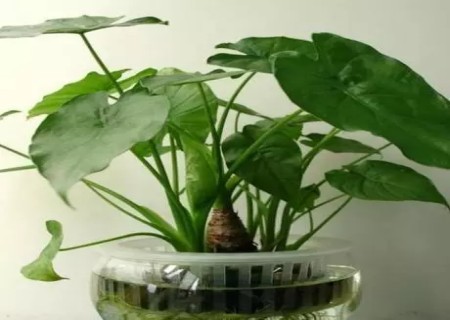
How to grow Alocasia macrorrhizos hydroponically? Detailed hydroponic method
The scientific name of Alocasia macrorrhizos is Alocasia macrorrhizos, also called Guanyin lotus, wild taro, etc. It belongs to the Araceae family, Alocasia genus. It is native to southern and southwestern China. Hydroponically grown Alocasia macrorrhizos has leaves as large as canopies, is evergreen all year round, and the plant can reach more than 1 m in height, with high ornamental value. When Alocasia macrorrhizos blooms, viewed from afar
-
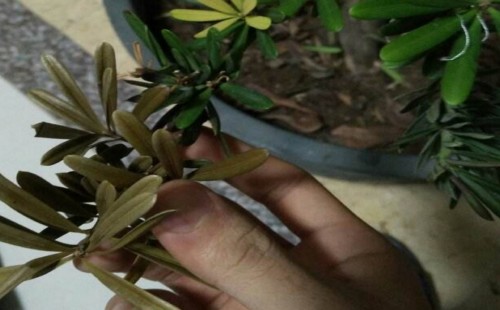
Reasons for Yellowing Leaves of Podocarpus macrophyllus and Solutions
Podocarpus macrophyllus is a tree species that can remain evergreen all year round, and it is also an excellent material for making bonsai. Because it grows relatively rarely in the wild and is also quite difficult to propagate, it was once listed as a rare tree species in the national protected tree species directory.
-
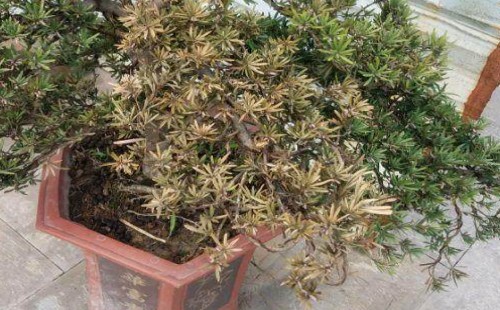
Reasons and solutions for dry, falling leaves on Buddhist pine (Podocarpus macrophyllus)
Buddhist pine bonsai is highly ornamental thanks to its graceful shape and evergreen leaves all year round, and people today always like to add a bit of greenery to their homes, so for a green plant like the Buddhist pine that is both ornamental and brings greenery while also carrying an auspicious meaning, it is often a good choice. However
-
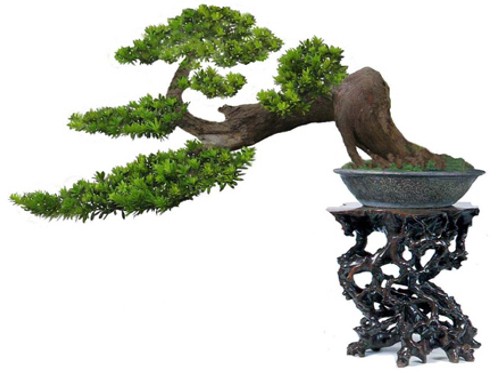
A Detailed Guide to the Care of Buddhist Pine (Podocarpus macrophyllus) Bonsai with Needle-like Leaves
The Buddhist pine bonsai has a lush, elegant, and vigorous tree form, with leaves that stay fresh green all year round, giving a sense of strength and purity. If combined with rocks, shaped into an eagle-claw-embracing-rock posture, it becomes even more antique and distinctive. Grouping Buddhist pine with bamboo and rocks makes an extremely elegant scene. A forest-style Buddhist pine bonsai, paired with grazing scenery, can give the enjoyment of wild charm.
-
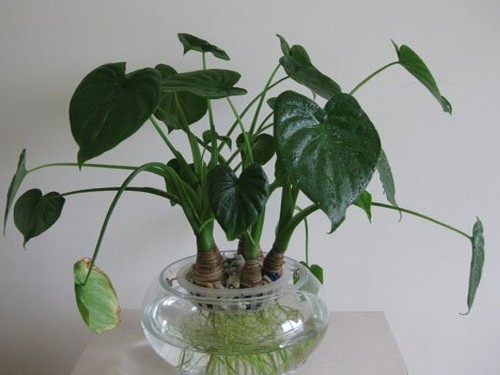
Causes of and Solutions for Root Rot in Water-Cultured Dieffenbachia (Alocasia macrorrhizos)
Many gardening enthusiasts run into the problem of root rot in water-cultured Dieffenbachia. In fact, this situation mostly arises because enthusiasts do not understand water-cultured plants well enough. Many enthusiasts think that simply putting the plant's roots into water is enough, but this is actually wrong. Water-cultured plants must go through a series of steps such as root washing, disinfection
-
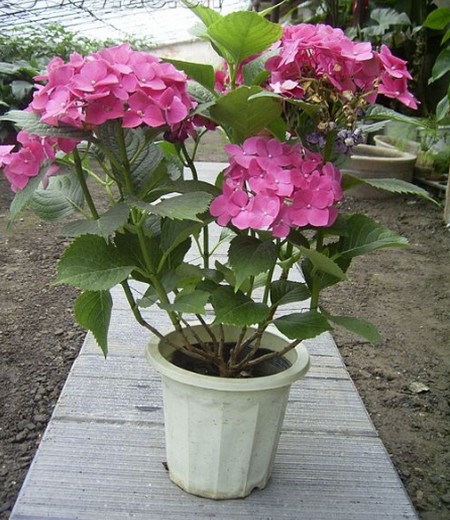
How to Grow and Care for Potted Hydrangea (Hydrangea macrophylla): Methods and Precautions
There are many ways to propagate hydrangea (Hydrangea macrophylla). Let's start with the most familiar one. Cuttings - everyone knows this method, and it works much like the saying "a careless willow cutting grows into shade." Cut off fresh young shoots from the top and insert them into soil in spring when the temperature is around 15°C. The second method is layering.
条件筛选