How to prevent and control physiological diseases of reishi mushroom? Detailed explanation of cultivation techniques
How to prevent and control physiological diseases of reishi mushroom? Please provide an introduction to the methods. Physiological diseases of reishi mushroom are caused by the action of abiotic factors, which often lead to disorders of physiological metabolism in reishi mushroom and thus cause disease. Symptoms: after the occurrence of physiological diseases, deformed reishi mushrooms grow, mycelium stops growing or grows poorly and shows shrinkage, and there is also excessive vegetative growth...
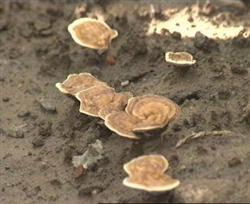 How to prevent and control physiological diseases of reishi mushroom? Please provide an introduction to the methods
Physiological diseases of reishi mushroom are caused by the action of abiotic factors, which often lead to disorders of physiological metabolism in reishi mushroom and thus cause disease.
Symptoms: after the occurrence of physiological diseases, deformed reishi mushrooms grow, mycelium stops growing or grows poorly and shows shrinkage, and excessive vegetative growth also occurs.
Causes: during cultivation, improper management leads to nutritional deficiency in the reishi mushroom bodies; the temperature in the cultivation room is too high or too low, and ventilation is poor; the water content of the culture material is too high or too low, or the pH value is unsuitable; lighting is inconsistent; the bed contains excessively concentrated harmful gases; pesticides and growth regulators are used improperly. If the mycelium has not matured and casing soil is applied too early, or if the nitrogen proportion in the culture material is too high, mycelial excessive vegetative growth is likely to occur.
Methods for preventing and controlling physiological diseases of reishi mushroom:
(1) Strengthen cultivation management, provide ventilation at the proper time, maintain appropriate temperature and humidity, and pay attention to environmental hygiene.
(2) Select high-quality spawn; prepare the culture material reasonably, requiring an appropriate nitrogen content. Commonly used wheat bran or rice bran generally should not exceed 20%, so as to avoid excessive vegetative growth of mycelium; apply casing soil and produce mushrooms only after the mycelium has matured.
(3) A 1%-3% lime solution can be sprayed on the bed, and after the surface dries slightly, cover it with tree branches or other covering materials, which can also prevent excessive vegetative growth of mycelium.
(4) Select suitable pesticides and growth regulators to prevent pesticide poisoning.
Click to get more reishi mushroom cultivation techniques
Click to get more medicinal herb cultivation techniques