-

What Is an Alpaca? A Detailed Explanation of the Three Main Differences Between Alpacas and Llamas
When alpacas are mentioned, everyone is probably not familiar with them, but when the grass mud horse is mentioned, everyone knows it. Not only does it like to spit, it is also adorably cute and very likable. So what is an alpaca? What is the difference from a llama? 1. What is an alpaca? 1. The alpaca is an animal of the order Artiodactyla, family Camelidae, tribe Lamini, genus Vicugna. Its appearance looks like a sheep, its neck is very long, and it looks like a camel. It is 1.2-2.2 m long, weighs 55-65 kg, has two upright ears, and has very long soft hair on its back, reaching about 20-40 cm. It likes to spit.
-
How to grow purple allamanda? The latest cultivation methods and precautions
Purple allamanda, as its name suggests, is a very beautiful flowering plant. It is a flowering plant of the genus Allamanda in the Apocynaceae family, with a long flowering period and brilliant flower colors, and it is often grown as an ornamental flower. To make it produce beautiful blooms, you need to pay attention to some details. Let us take a look below
-
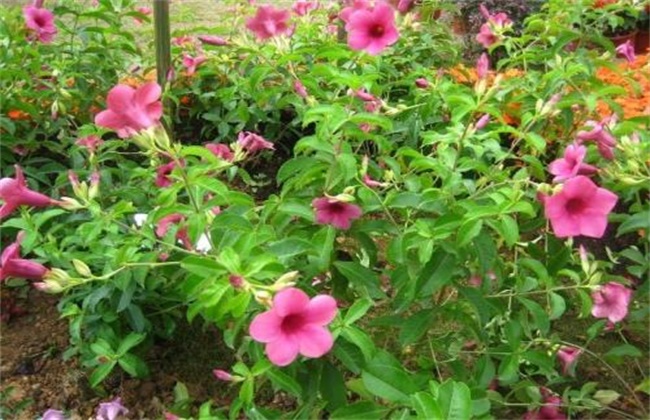
How to Grow Purple Allamanda? A Complete Guide to Care Methods and Precautions
Growing Methods and Precautions for Purple Allamanda
-
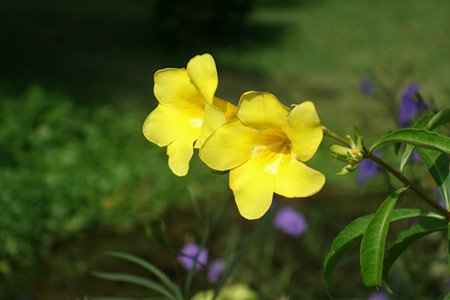
A Detailed Guide to the Cultivation Methods and Precautions for Allamanda cathartica
Allamanda cathartica is a garden ornamental, and many people are not very familiar with it. There is a reason it is called by this name: first, it has soft branches, and second, its flowers look like cicada pupae about to break out of their shells. So how should this plant be cultivated, and what points need attention?
-
How to tell yellow oleander (Allamanda) and yellow oleander (Thevetia) apart?
Allamanda neriifolia and Thevetia peruviana belong respectively to the genera Allamanda and Thevetia in the family Apocynaceae. The two are similar in form and are often confused. Here they are distinguished from three aspects: leaves, flowers and fruit. Leaves: Allamanda neriifolia has leaves in whorls of 3 to 5, elliptical or ovate-oblong, 6 to 12 cm long, with acuminate tips and cuneate bases; Thevetia peruviana has alternate leaves, linear-lanceolate, 10 to 15 cm long, long-tapered at both ends, flowering from
-
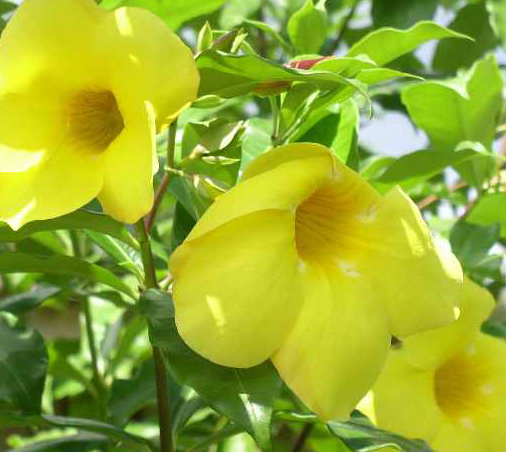
What types of yellow allamanda are there? A detailed introduction to common yellow allamanda varieties
Yellow allamanda belongs to the genus Allamanda in the family Apocynaceae. This genus has 15 species, distributed in tropical America. The common species and cultivated species introduced and grown in China include: yellow allamanda, willow-leaved allamanda, double-flowered willow-leaved allamanda, small-leaved willow-leaved allamanda, white allamanda, and purple allamanda. Yellow allamanda is an evergreen shrub. Leaves are 3-5 in whorls, ovate-lanceolate, with entire margins
-
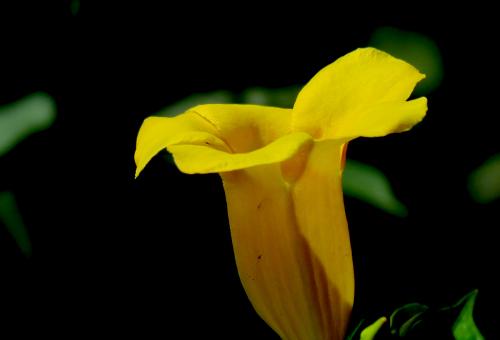
How to grow yellow oleander (Allamanda)? Master these care methods and precautions
1. Light: Yellow oleander likes a hot, humid environment with plenty of light, so place it on a balcony or in a spot with direct sunlight. 2. Watering: Yellow oleander is tolerant of wet conditions and likes a humid environment, so water it frequently during its growing season, but reduce watering in winter.
-
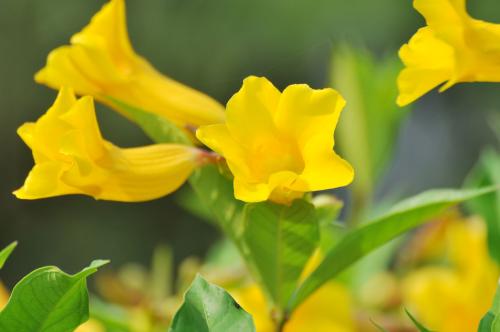
How to grow yellow oleander (Allamanda cathartica)? Detailed care measures and precautions
I. Placement and light The yellow oleander likes high temperatures, humidity and a location with plenty of light, so it should be placed in a courtyard or a spot with direct sunlight, but be careful never to keep it indoors, so as to avoid accidental poisoning. II. Water The yellow oleander is tolerant of wet conditions and likes a humid environment
-
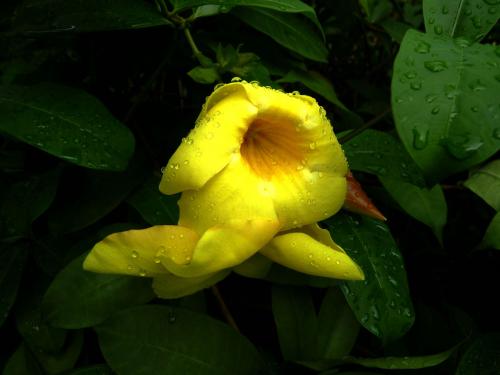
How to grow yellow allamanda? Detailed guide to cultivation methods and precautions
1. Placement and light Yellow allamanda likes a hot, humid environment with plenty of light, so place it in a courtyard or a spot with direct sunlight. However, be careful never to keep it indoors, so as to avoid accidental poisoning. 2. Watering Yellow allamanda is tolerant of wet conditions and likes a humid environment
-
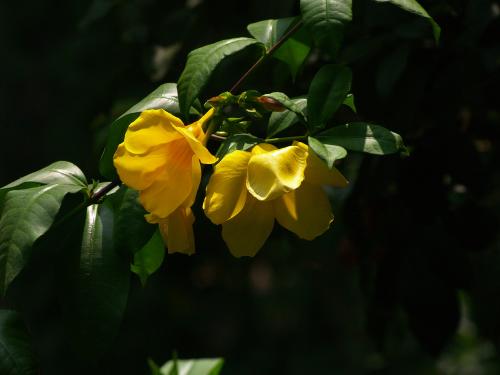
A detailed guide to planting yellow oleander (Allamanda), easily master the planting techniques
The first method - seed sowing. First, collect the seeds of yellow oleander, but the seeds of yellow oleander do not store well, so it is best to sow them right after collecting. The second method - layering. Choose a branch close to the ground, then cut and wound the branch and press it into the soil
条件筛选