How to grow yellow oleander (Allamanda)? Master these care methods and precautions
1. Light
Yellow oleander likes a hot, humid environment with plenty of light, so place it on a balcony or in a spot with direct sunlight.
2. Watering
Yellow oleander is tolerant of wet conditions and likes a humid environment, so water it frequently during its growing season, but reduce watering in winter.
3. Fertilizing
Yellow oleander needs enough nutrients to grow well, so fertilize it regularly, generally once every half a month.
4. Soil
Yellow oleander is not demanding about soil; like other plants, it needs fertile soil with good drainage, which promotes its growth.
5. Pests and Diseases
Although yellow oleander is toxic, it can still suffer from pests and diseases. Once pests are found, spray insecticide immediately; this is not only fast but also effective. If the plant is found to be infected by a virus, cut off the diseased branches; this is simple and quick, but be careful not to touch the plant's sap.
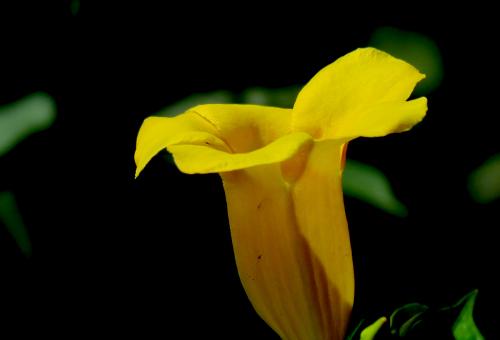
Here ends our introduction to whether yellow oleander is toxic. Simply put, yellow oleander is toxic, and its toxicity is quite strong, so be very careful never to eat it by mistake! Thank you for reading!
Care measures and precautions for yellow oleander
1. Placement and Light
Yellow oleander likes a hot, humid environment with plenty of light, so place it in a courtyard or in a spot with direct sunlight, but be careful never to keep it indoors, so as to avoid accidental poisoning.
2. Water
Yellow oleander is tolerant of wet conditions and likes a humid environment, so water it frequently during its growing season, but reduce watering in winter.
3. Fertilizer
Yellow oleander needs enough nutrients to grow well, so fertilize it regularly, generally once every half a month.
4. Pests and Diseases
Although yellow oleander is toxic, it can still suffer from pests and diseases. Once pests are found, spray insecticide immediately; this is not only fast but also effective. If the plant is found to be infected by a virus, cut off the diseased branches; this is simple and quick, but be careful not to touch the plant's sap.
5. Soil
Yellow oleander is not demanding about soil; like other plants, it needs fertile soil with good drainage, which promotes its growth.
Care measures and precautions for yellow oleander
1. Light
Yellow oleander likes a hot, humid environment with plenty of light, so place it in a courtyard or in a spot with direct sunlight, but be careful never to keep it indoors, so as to avoid accidental poisoning.
2. Water
Yellow oleander is tolerant of wet conditions and likes a humid environment, so water it frequently during its growing season, but reduce watering in winter.
3. Fertilizer
Yellow oleander needs enough nutrients to grow well, so fertilize it regularly, generally once every half a month.
4. Soil
Yellow oleander is not demanding about soil; like other plants, it needs fertile soil with good drainage, which promotes its growth.
5. Pests and Diseases
Although yellow oleander is toxic, it can still suffer from pests and diseases. Once pests are found, spray insecticide immediately; this is not only fast but also effective. If the plant is found to be infected by a virus, cut off the diseased branches; this is simple and quick, but be careful not to touch the plant's sap.
Alright, that is our introduction today to the differences between yellow oleander and yellow bells (Tecoma stans). Have you learned it? Thank you for reading!