A Detailed Guide to the Cultivation Methods and Precautions for Allamanda cathartica
Allamanda cathartica is a garden ornamental, and many people are not very familiar with it. There is a reason it is called by this name: first, it has soft branches, and second, its flowers look like cicada pupae about to break out of their shells. So how should this plant be cultivated, and what points need attention? Let us now discuss this in detail.
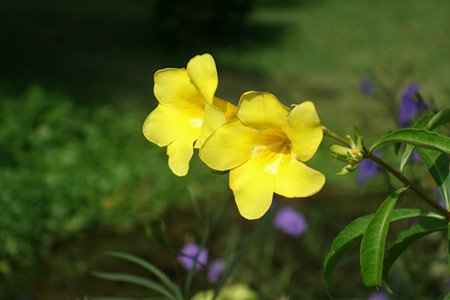
Cultivation Methods and Precautions for Allamanda cathartica
I. Soil
This plant likes fertile soil and requires good drainage, so the best choice is sandy soil. Because this plant likes to climb, a trellis should be built for it during cultivation, and within two years it will grow luxuriantly and look very beautiful. It can also be planted as a hedge. Due to the habits of Allamanda cathartica, the soil should be kept moist at all times; it must not be dry, as this will harm the plant.
II. Humidity
For this plant to survive, the relative air humidity must be maintained at 75-85%. In routine care, a water mist should be sprayed onto the leaves at regular intervals to maintain reasonable air humidity. The mist should keep the leaves of Allamanda cathartica moist without condensing into droplets or streaming down in rivulets, 3-5 times a day. On sunny days with high temperatures, the frequency should increase as the temperature rises; on cloudy days or when the temperature is lower, it should be appropriately reduced.
III. Sunlight
This plant cannot do without sunlight, because only with sufficient light can the plant have enough nutrients to ensure growth. In summer, the plant can be placed outdoors for cultivation, and the frequency of spraying water should be increased. In winter, it should be moved indoors and placed in a spot with direct sunlight. If the plant is rooting or has just been transplanted, appropriate shading treatment is needed to prevent excessive water loss.