How to Grow Purple Allamanda? A Complete Guide to Care Methods and Precautions
Purple Allamanda, as its name suggests, is a very beautiful flowering plant. It is a flowering plant of the genus Allamanda in the Apocynaceae family, with a long flowering period and brilliant colors, and it is often cultivated as an ornamental flower. To make it produce beautiful blooms, you need to pay attention to some details. Let's take a look at the growing methods and precautions for Purple Allamanda below.
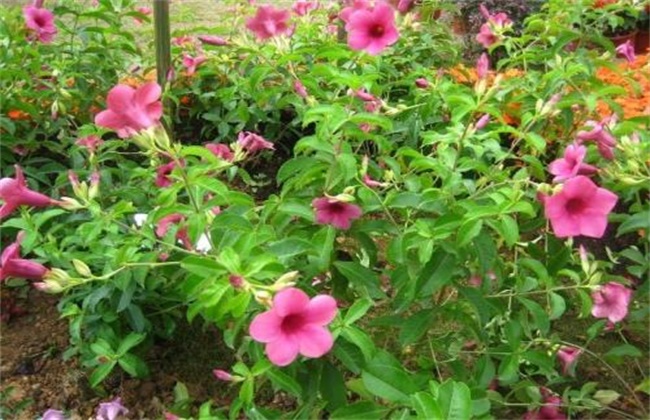
I. Growing Methods
1. Soil
Purple Allamanda likes to grow in acidic soil that is well-drained, loose and fertile. So when growing it, it is best to choose suitable soil. You can also mix ordinary soil with leaf mold and charcoal ash to prepare a nutrient soil. This kind of soil is both loose and fertile, and it is also acidic, which is suitable for its growth.
2. Light
Purple Allamanda likes to bask in the sun. Normally, give it 4 hours of light, otherwise it will be difficult for it to bloom. In winter, place it in a bright environment and keep the minimum temperature above 5°C, so as to ensure it can overwinter normally.
3. Temperature
Purple Allamanda is a plant that does not tolerate high temperatures. When caring for it in summer, it is best not to exceed 35°C, otherwise its branches and leaves will wither. Its suitable growing temperature is between 2-30°C. Its cold resistance is also not very strong. In winter, it is best to keep it indoors; outdoors it is very likely to suffer freeze damage, and in severe cases die.
4. Water
Purple Allamanda needs relatively more water during its growing period, and its water demand is relatively high in spring and summer. On average, it should be watered once every half month. In autumn and winter, when the temperature drops, its water demand decreases, and generally watering once a month is enough. In addition, note that during the rainy season, drain water promptly to avoid root rot caused by waterlogging.
II. Precautions
For better growth of Purple Allamanda, it is recommended to repot it once every spring. When repotting, replace at least half or one third of the old soil, and then choose some new soil that is fertile and well-drained. When the flowering period of Purple Allamanda ends, pruning should be done well, and its spent flowers should be pruned off in time to avoid unnecessary nutrient consumption. In addition, yellowing leaves should also be cut off in time. This can not only promote its growth, but also help prevent pests and diseases.
The above is an introduction to the growing methods and precautions for Purple Allamanda. We hope it can help you. If you want to learn more related knowledge, please stay tuned to us.