-
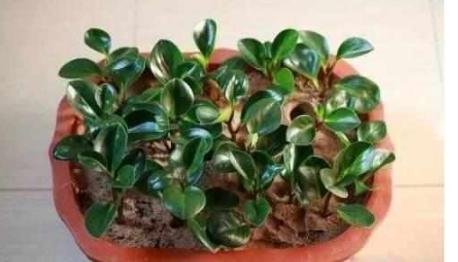
One leaf is all it takes to propagate a pot of plants, and the leaf-cutting method is simple and easy to learn
Today, the plant encyclopedia editor introduces several potted plants that we can grow into a big overflowing pot from just a single leaf. If you do not believe it, you can try it at home. It is very practical and also saves the money for buying potted plants, while at the same time letting us enjoy the fun of producing our own potted plants. Potted Peperomia
-
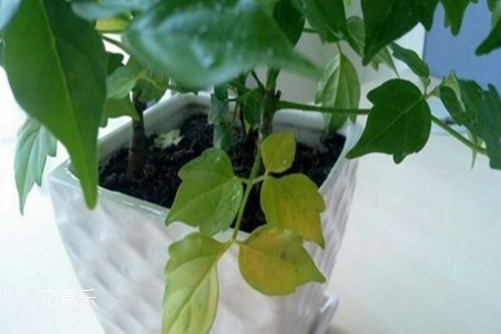
What to do when the leaves of a Radermachera sinica turn yellow? Learn this one trick and it will be lush and green again in no time
Most flower growers like plants that have a flowering season and blaze with brilliant colors, but I alone prefer those lush, emerald-green foliage plants, and Radermachera sinica is one of them. Radermachera sinica is a green plant very well suited to indoor growing, and it can grow from very small to very large and very tall, and Radermachera sinica can even produce pretty little flowers
-
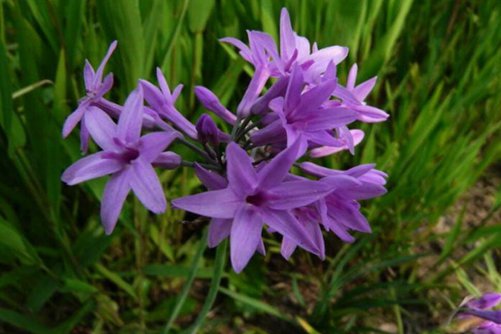
Key Points of Tulbaghia violacea Cultivation: Learn How to Grow the Purple Elf of Your Garden
Tulbaghia violacea is a herbaceous plant in the Amaryllidaceae family. It looks similar to Chinese chives, only the flower color is different. Chinese chives generally bloom white, while Tulbaghia violacea blooms pinkish-purple. Tulbaghia violacea has bright colors and a faint hyacinth fragrance. Tulbaghia violacea blooms in summer and autumn, can beautify the environment, and can also be used as medicine. How to grow Tulbaghia violacea
-
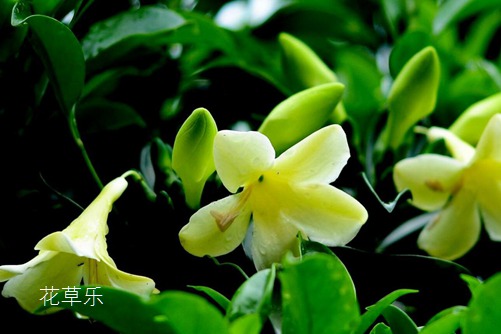
What to do when African jasmine leaves turn yellow? Learn the following tricks and you'll never have to worry again
African jasmine (Chinese violet jasmine, Clerodendrum chinense) is a plant that many people love, dense and emerald green, giving a feeling of vibrant life, very fresh, and a very good ornamental plant. Nowadays many people grow African jasmine at home, but improper care during the growing process can cause symptoms such as yellowing leaves, so what should you do when African jasmine leaves turn yellow
-
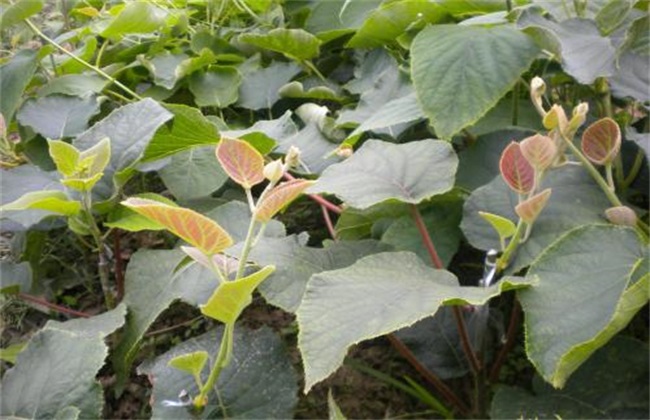
What are the propagation methods for the naranjilla? Learn the propagation techniques in one article
Propagation methods for the naranjilla
-

Food safety education helps children learn from daily life and grow up healthy in body and mind
Revisiting "True Food Education" mother Wang Qiaozhen, whose oldest child is now in the first year of junior high school. She recalls: "Children bring us so many challenges we never anticipated... when cooking, 1 comes over
-
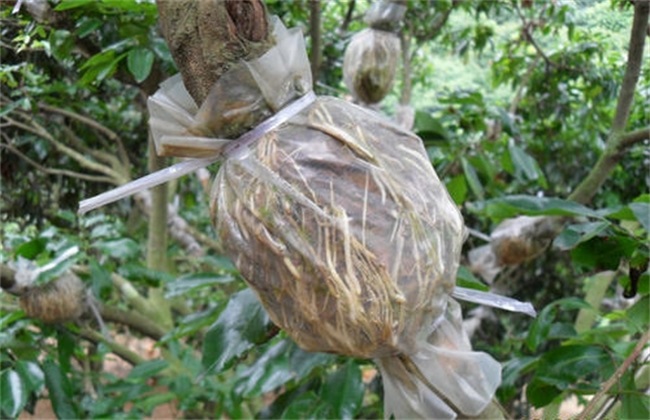
Detailed Explanation of Lychee Air Layering Propagation Techniques, Beginners Can Easily Learn
Lychee Air Layering Propagation Techniques
-
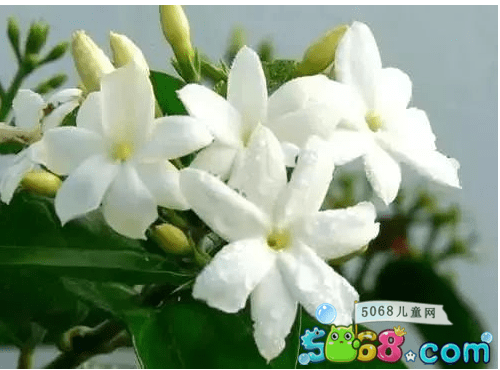
How to grow jasmine and gardenia? Easy to learn
Jasmine and gardenia are the public's favorite flowers, and they are also grown in homes. What are the breeding methods for these two flowers? Below, the editor introduces the breeding methods for jasmine and gardenia, and hopes everyone will like them. Jasmine cultivation methods 1. Growing environment: Jasmine likes heat, humidity, and ventilation, and needs sufficient light. It is cold-sensitive; potted jasmine in the south can be grown outdoors in winter, while in the north, warmth protection is needed in autumn and winter, and in the south it should be moved indoors. When light is strong, the branches are sturdy, the leaves are dark green, and the flowers are fragrant; when sunlight is insufficient, the flowers become fewer and less fragrant.
-

2019 Hengchun Peninsula Stargazing Shout-Out: Stepping Out of the Classroom for Place-Based Learning
"When the sky is dark enough, it will shine bright," "When the heart is quiet enough, the stars will shout out." When we calm our minds and delve deep to understand the mysteries of nature, and respectfully learn knowledge from nature, we can recognize the insignificance of human power, and our hearts will become more...
-
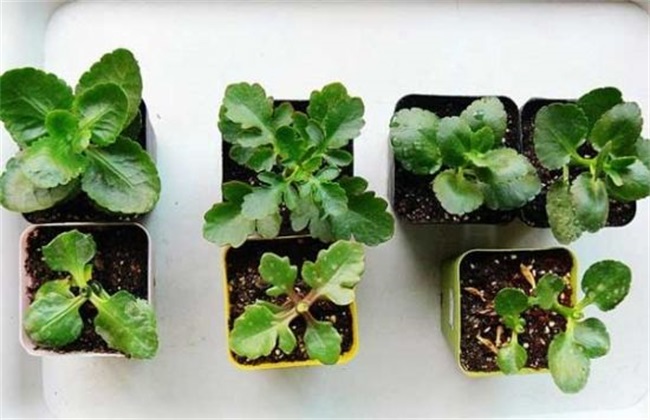
Detailed Guide to Kalanchoe Cutting Propagation, Beginners Can Easily Learn
Kalanchoe Cutting Propagation Methods
条件筛选