-

A Detailed Guide to Growing Graptoveria 'Lovely Rose': Learn How to Raise It to Bloom Abundantly and Flourish
A detailed introduction to the growing methods and care techniques for the succulent Graptoveria 'Lovely Rose', including how to grow it, soil mixing, light and watering, propagation methods, getting through summer and overwintering, and pest and disease control, and other practical content.
-
A Detailed Guide to Growing Graptoveria Lovely Rose: Learn to Raise It with Abundant Blooms and Lush Leaves
A detailed introduction to the growing methods and care techniques for Graptoveria Lovely Rose, including how to grow it, soil mixing, light and watering, propagation methods, fertilizing and pruning, pest and disease control, and other practical content.
-
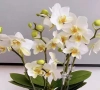
After upgrading the cup of young Phalaenopsis seedlings, learn step by step how to grow strong seedlings, identify roots, and care for them all in one go
When growing young Phalaenopsis seedlings, many flower enthusiasts always think "young seedlings don't need an urgent cup change," and end up stifling the seedlings! Just like this 1.7-inch tissue-cultured seedling at the base, after only 4 months of growing, the roots are already densely emerging and look about to drill out from the bottom of the cup - at this point, it must be upgraded in time, switched to a 2.5-inch cup, to give the young seedling enough
-

What kind of Phalaenopsis roots need pruning? Learn to tell when it's time to trim roots
Growers of Phalaenopsis orchids have surely noticed its plump roots, some translucent like jade, others wrinkled and blackened; in fact, the state of these roots hides quite a few little secrets. Today let's talk about what kind of roots should be cut, and how to judge whether it's time to act - you'll understand at a glance. Which roots absolutely must be "snip"-ed off? The most obvious are
-

Do side shoots on Phalaenopsis affect flowering? Learn how to divide them correctly
Fellow Phalaenopsis growers may notice a small side shoot suddenly sprouting next to an otherwise healthy plant. It looks interesting, but it also makes you uneasy: will this thing affect flowering? And if you want to separate it and grow it on its own, how should you go about it? Will a side shoot affect flowering? Actually, it depends on the situation. If the Phalaenopsis is
-

Can Sphagnum Moss Kill Phalaenopsis Orchids If Too Wet? Learn the Correct Way to Handle It
Friends who grow Phalaenopsis orchids have probably all run into this situation: you excitedly buy sphagnum moss, thinking it's definitely the right choice for growing them, but less than two weeks later the leaves turn yellow, the roots turn black, and the once-healthy plant just wilts away - nine times out of ten it's caused by the sphagnum moss being too wet. Actually, the roots of Phalaenopsis orchids aren't ordinary soil-grown roots; they're those plump
-
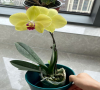
How to increase humidity and fertilize Phalaenopsis orchids, beginners can learn it at a glance
As everyone knows, Phalaenopsis orchids have beautiful flowers; once the blooms open they are like dancing butterflies, and they are also widely recognized as the "flower fairy." At the same time, because there are so many varieties, many households have bought them to grow. In terms of care, Phalaenopsis orchids are afraid of cold, afraid of heat, and also afraid of dryness, especially for those living in urban villages, where buildings are close together and at the same time they encounter
-

What Kind of Bark Is Suitable for Phalaenopsis Orchids? Learn to Judge Good and Bad Bark
Many friends have heard that they should use bark when growing Phalaenopsis orchids, but once they get it in their hands they are stumped: what exactly should this bark be like to be suitable? How do you tell whether the orchid is growing well in bark? When choosing bark for Phalaenopsis orchids, you have to pay attention to air permeability and water retention. The most commonly used is pine bark, especially decomposed pine bark. Decomposed pine bark is darker in color, feels soft and does not prick the hand, and smells slightly of gentle fermentation rather than a pungent sour or foul odor.
-

Can You Water a Phalaenopsis Orchid While It Is Blooming? Learn the Correct Watering Method
Many flower lovers find that after their Phalaenopsis orchid enters the blooming period, improper watering often leads to early flower drop and wilting leaves. Below, let's talk about water management and care tips for Phalaenopsis orchids during the blooming period. Phalaenopsis belongs to the epiphytic orchids, and its roots serve the dual functions of absorption and photosynthesis, making it sensitive to water. During the blooming period, you must strictly follow
-

What are the signs that a Phalaenopsis orchid has no aerial roots? Learn how to tell whether it has aerial roots
The Phalaenopsis orchid is a highly favored ornamental flower, and its distinctive aerial roots are not only an important morphological feature but also a key indicator of healthy plant growth. Knowing how to judge whether a Phalaenopsis orchid has aerial roots, and what it looks like when aerial roots are lacking, is crucial for growers. How to judge whether a Phalaenopsis orchid has aerial roots
条件筛选