What are the propagation methods for the naranjilla? Learn the propagation techniques in one article
The naranjilla, also called nipplefruit or five-finger eggplant, is a very distinctive fruit that is still quite rare on the market in our country. At present it is mainly distributed in Guangdong, Guangxi and Yunnan in our country. Because the fruit of the naranjilla is very ornamental, it is also often grown as an ornamental plant. Today we will mainly look at what propagation methods the naranjilla has, as well as its growing conditions and points to note when growing it. Let's take a look at the excellent content below.
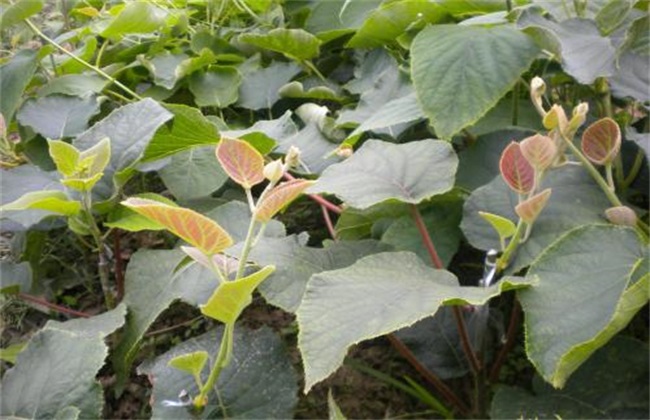
1. Growing conditions
The naranjilla likes warmth, likes fertile soil, likes sunlight, is not cold-tolerant, fears waterlogging, is not tolerant of waterlogging, and is not drought-tolerant. When growing the naranjilla, we choose a sandy loam with sufficient soil fertility, good drainage, plenty of sunlight, good ventilation and good soil aeration. Also, the growing temperature for the naranjilla should be kept between 15 and 25 degrees; the best temperature for the naranjilla to bear fruit is 20 to 35 degrees; the lowest temperature should not be lower than 12 to 15 degrees.
2. Seed propagation
There are only two propagation methods for the naranjilla, and the first is seed propagation. Due to the climate differences between north and south in our country, the sowing period for naranjilla seeds in the south is generally March, while in the north the sowing time is April. Sowing is usually done in drills, with the distance between each drill generally 20 to 30 cm, each shallow furrow 10 cm wide and 1 cm deep. Scatter the seeds evenly, then cover with a layer of fine soil 2 cm thick to bury the seeds, and water once as a base watering. After the naranjilla seedlings emerge, we need to provide shade during the seedling stage, and once they grow later, remove the shade net. During this period, also pay attention to water and fertiliser management, and wait until the naranjilla seedlings have grown to about 15 to 18 cm before transplanting and setting them in place.
3. Cutting propagation
Another propagation method for the naranjilla is cutting propagation, which is also a relatively commonly used propagation method for large-scale production at present. Cutting propagation of the naranjilla is generally carried out in summer each year, and you need to select the tender branches from the top of the naranjilla that are free of pests and diseases as the cuttings. The cuttings should be cut into small pieces of about 15 cm, then insert the selected cuttings into a sand bed for raising seedlings at a row spacing of 20 cm and a plant spacing of 5 cm. About 20 days after cutting, the cuttings will grow new roots, and about one month after cutting, they will basically form separate robust seedlings, at which point they can be transplanted.
There are only two propagation methods for the naranjilla, namely seed propagation and cutting propagation. Although seed propagation is still very commonly used now, seed propagation is slower and highly uncertain; while cutting propagation grows faster and its heredity is relatively stable, which is why cutting techniques are becoming more and more popular.