-
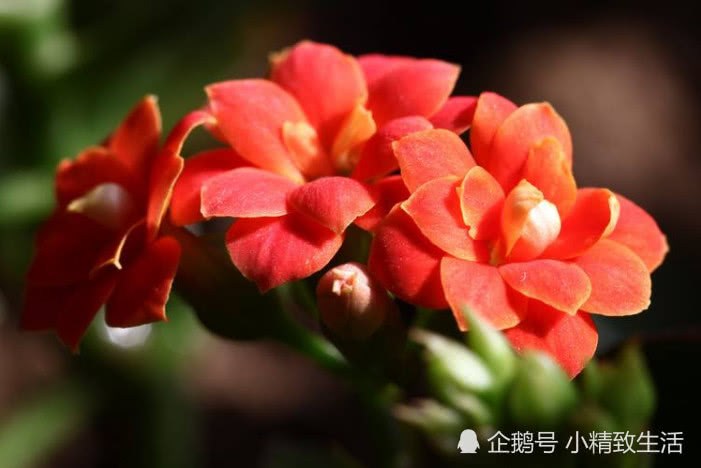
Grow a whole new pot of kalanchoe from a single stem or leaf, and you will never need to go to the flower market again
There is a saying in gardening circles: "have succulents, have kalanchoe." Here "succulents" refers to succulent plants, while "kalanchoe" refers to kalanchoe. Of course, kalanchoe is itself a type of succulent, so we do not need to take these sayings too seriously...
-
How to prevent pumpkin leaf spot? Mastering these methods is key
Pumpkin leaf spot mainly damages leaves and flower stalks. The pathogen overwinters in the soil with diseased plant debris. In spring, the pathogen spreads via splashing rainwater. In the early stage of the disease, leaf spots are round to nearly round or irregular in shape. The leaf margins are dark brown, and the junction between diseased and healthy tissue appears water-soaked. When humidity is high, dense small black dots form on the spot surface, and in severe cases the leaf spots merge, causing the leaves to partially...
-

Propagate snake plant this way and 1 leaf can fill a whole pot
Snake plant stays green all year round and has high ornamental value, making it very suitable for home decoration. While beautifying the environment, it also helps people maintain a healthy and pleasant state of life. So how do you turn one pot of snake plant into many pots? Below we introduce the snake plant's cutt...
-
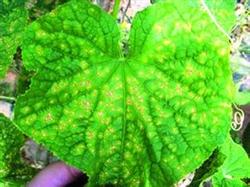
What are the control methods for cucumber target leaf spot?
Cucumber target leaf spot is a fungal disease, and the pathogen is Corynespora cassiicola, so it is also called Corynespora leaf spot. It has been reported in various parts of China in the past, but it was not very serious. In recent years, with the continuous development of protected cultivation, the disease has worsened year by year and has become an important leaf disease in protected cucumber production, and may also cause damage to tomatoes and many other vegetables.
-
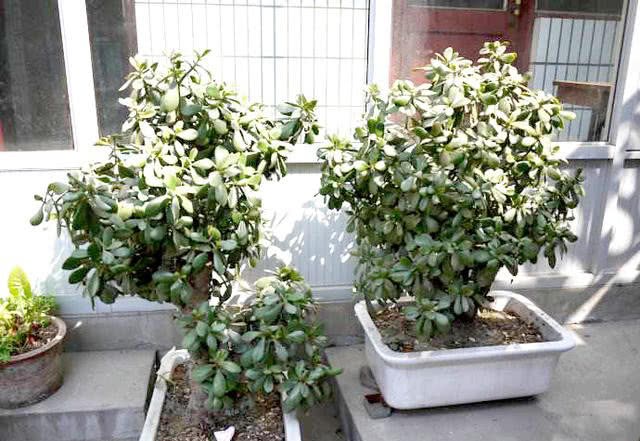
Succulent Leaf Cutting Grows into a Big Tree in Seven Years, Everyone Who Sees It Wants to Buy It at a High Price
(This material comes from the internet. If there is any infringement, please contact the author as soon as possible for timely deletion.) Pick a succulent leaf and throw it in a pot, and seven years later it grows into a big tree. Everyone who sees it wants to buy it at a high price. Succulents have very strong propagation ability, and some succulents are very easy...
-
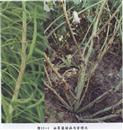
Broadleaf weeds during the rapeseed growing season can be controlled with herbicides
Rapeseed sclerotinia stem rot is one of the important diseases in rapeseed production. It can occur from the seedling stage to maturity, with damage to the stem being the most severe. Control methods: First, increase the application of phosphorus and potassium fertilizers and apply only a small amount of nitrogen fertilizer. At the same time, open drainage furrows to facilitate drainage, thin the seedlings properly, and maintain a reasonable density. Spray paclobutrazol to improve lodging resistance. A reasonable density...
-
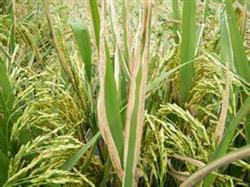
Detailed Explanation of the Causes and Control Techniques of Rice Bacterial Leaf Blight
The pathogen of rice bacterial leaf blight is Xanthomonas oryzae, a bacterium belonging to the genus Xanthomonas. Bacterial leaf blight is one of the major diseases of rice. Once it occurs, it generally reduces yield by 10%, and in severe cases by 50-60%. Therefore, strengthening the control of bacterial leaf blight is very important. 1. Causes of the disease 1.1 Relationship between disease occurrence and climatic conditions...
-
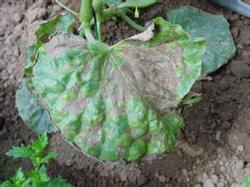
How to treat bacterial leaf blight in greenhouse melons? Detailed control methods
This disease is a bacterial disease that mainly damages leaves, petioles and young melons, and can cause damage throughout the entire growth period. When infected at the seedling stage, the cotyledons show water-soaked yellow sunken spots. When leaves are infected, the early stage shows light green water-soaked spots on the underside of the leaves, and gradually the leaf surface turns into light brown necrotic lesions. After drying, the lesion area becomes brittle and perforated. To prevent this disease...
-
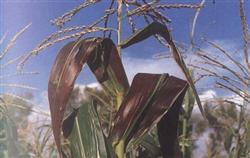
How can corn red leaf disease be controlled effectively?
Symptoms: When improved varieties bred with Huangzaosi encounter low temperatures and rainy, overcast weather during the grain-filling stage, their leaves turn red, which is called red leaf disease. Cause: The occurrence of this disease is related to the fast grain-filling of this variety. When large amounts of synthesized sugars cannot be quickly converted due to metabolic disorders, they become anthocyanins, and the green leaves turn red. Control methods: (1) In areas where it occurs severely, do not...
-
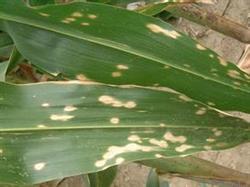
How to prevent and control corn gray leaf spot? A full analysis of the technical key points
Corn gray leaf spot can occur throughout the entire growth period, but the disease is most severe at the tasseling and grain-filling stages. In the early stage of the disease, water-soaked light brown spots appear. These streaks extend parallel to the leaf veins, are often rectangular, and are more obvious when held up to the light. The center of the lesion is gray, and the edge has a brown line. The lesion size is 2-4 x 10-24 (mm), and...
条件筛选