-
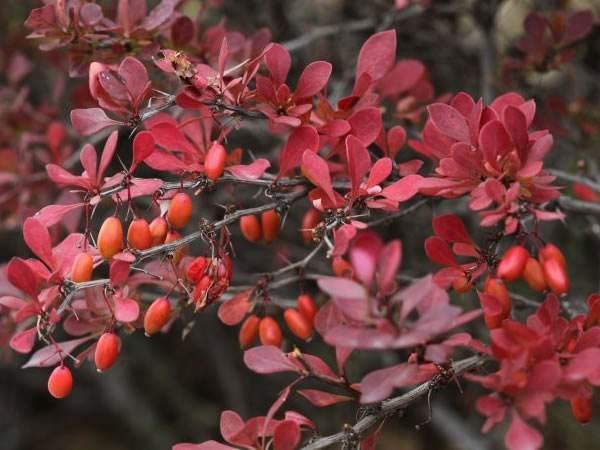
How to make a purple-leaf barberry bonsai? Do it this way for a quaint shape and vivid leaf color
Purple-leaf barberry (Berberis thunbergii f. atropurpurea), also known as red-leaf barberry, has these names for a reason: its young branches are purplish-red or dark red, and the leaves of this plant are very small and diamond-shaped, but its flowers differ in color from its leaves, ...
-
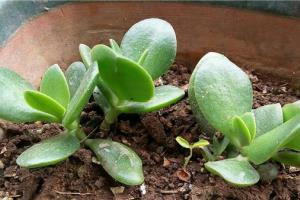
The jade plant (Crassula obliqua) has lush green foliage all year round and unusual leaf shapes. What are its household benefits?
Lush green foliage all year round and unusual leaf shapes: the household benefits of the jade plant
-
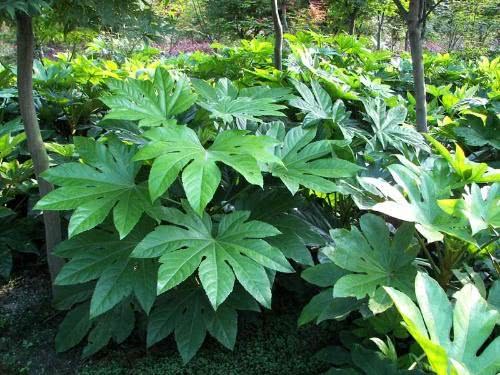
Fatsia japonica has many varied leaf shapes on its branched foliage. How should you fertilize and water it when planting in a courtyard?
Fatsia japonica is also known by the alias Jingangzuan. Because its branched foliage bears roughly eight leaves that look like eight corners, it got this name. Its plant form is relatively tall, so it is very suitable for courtyards or various large...
-
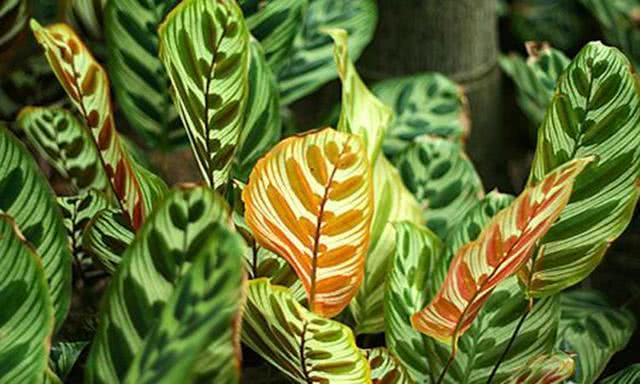
The Calathea leopardina has diverse leaf shapes and strong ornamental appeal, and its four-step care method is simple and easy to learn
Calathea leopardina is mainly native to the Americas and the islands around the Indian Ocean, and it has been introduced for cultivation in many regions of our country. Because its leaf shapes are relatively diverse and its adaptability to the environment is strong, most Calathea leopardina are planted in patches, in clumps...
-
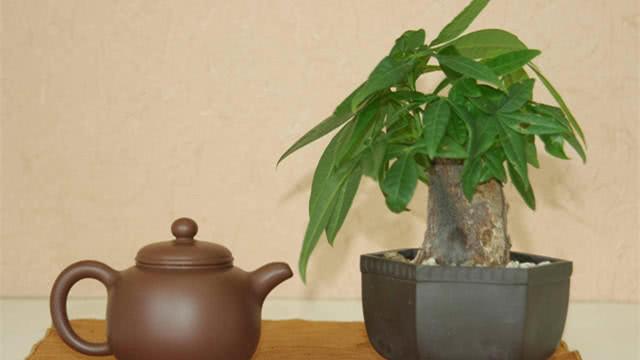
How to tell a money tree (Pachira aquatica) and a ZZ plant (Zamioculcas zamiifolia) apart? Look at the leaf shape and you can identify them accurately every time
Different family and genus: the money tree belongs to the Malvaceae family, Pachira genus, while the ZZ plant belongs to the Araceae family, Zamioculcas genus. Different place of origin: the former originates from Central America, while the latter originates from eastern Africa. Different habits: the former prefers relatively moist growing conditions,...
-
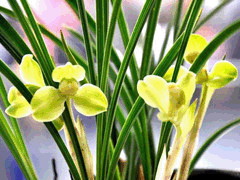
Appreciating Plant Leaf Shapes: Discovering the Beauty of Diverse Leaf Forms
Leaf Shape Appreciation
-

Appreciating Orchid Leaf Forms: Common Leaf Shape Characteristics and Key Ornamental Points
1. Upright leaves: The veins are firm, the leaf texture is relatively thick, and the leaves stand upright. Upright-leaf orchids often have narrow, moist leaf surfaces, such as 'Wang Zi' and 'Huanqiu Hedding'. 2. Semi-upright leaves: After the leaves emerge from the pseudobulb, they grow diagonally upward. Such as 'Long Zi'. 3. Semi-arching leaves: The leaf form is semi-arching, and most orchids have semi-arching leaves. 4. Arching leaves: The leaves...
-
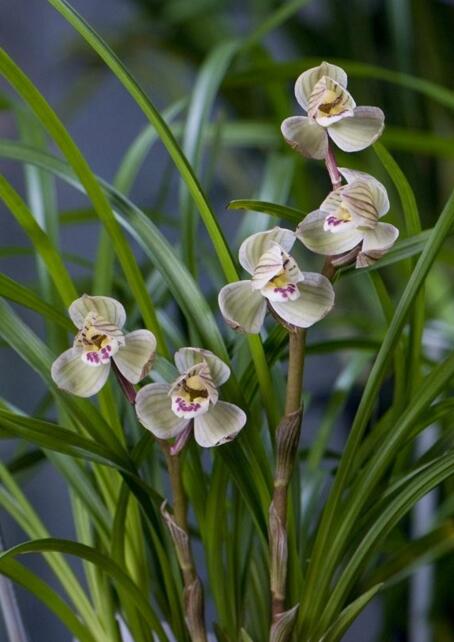
Methods and Techniques for Manually Adjusting Orchid Leaf Shape
Collected in 2007 in the Yaoguan mountain area of Shidian County, Baoshan, it is a typical broad-leaf Cymbidium lianpan. It first bloomed on New Year's Day 2012, with two scapes bearing five flowers, each identical to the others. Because the flowering period was too early, it missed that year's orchid show, but at the "2012 Spring Festival Tea Gathering" this new variety stunned the orchid enthusiasts present and became that year's best new Cymbidium lianpan; 20...
-
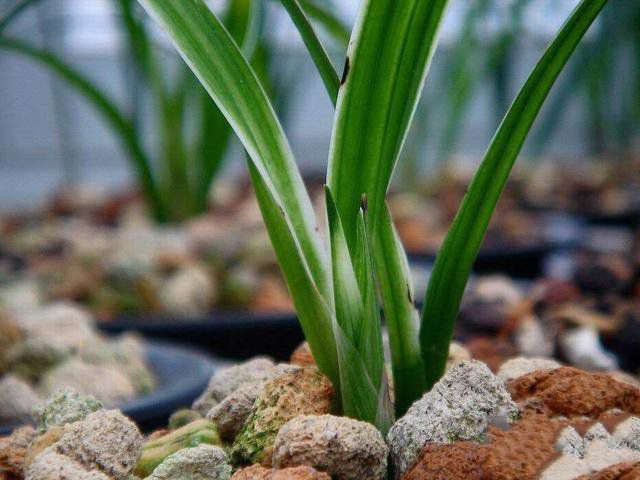
Why won't the leaf core of an orchid open and instead grows into a columnar shape?
What is the reason an orchid's leaf core won't open and becomes columnar?
-
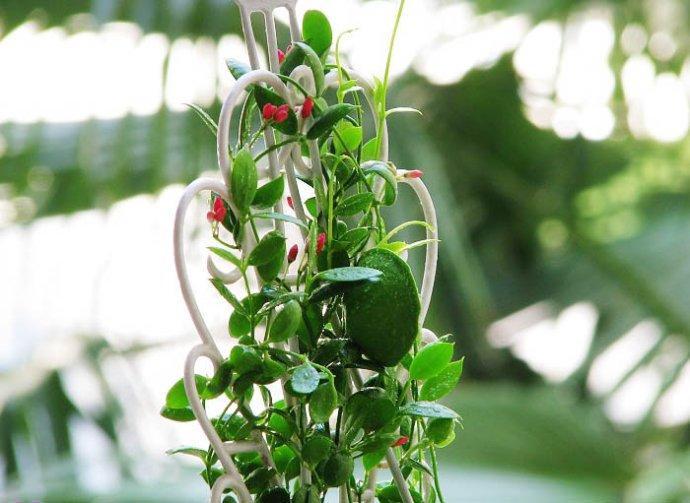
Unusual leaf shapes and bright flowers: snap off one stem and get many pots, easily covering the whole balcony
The frog vine introduced today has a shape as unusual as the staghorn fern, also has two forms of leaves, and is famous for its quirky style. Exceptionally gifted, it grows pouch-like hollow modified leaves, and at first glance looks like a frog with a puffed-up belly, ...
条件筛选