How to make a purple-leaf barberry bonsai? Do it this way for a quaint shape and vivid leaf color
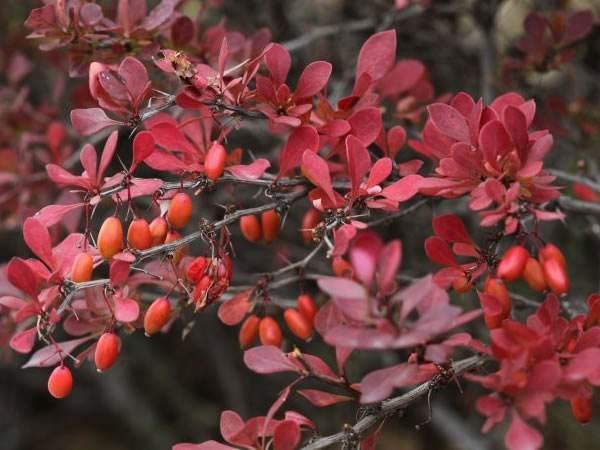
Purple-leaf barberry (Berberis thunbergii f. atropurpurea), also known as red-leaf barberry, has these names for a reason: its young branches are purplish-red or dark red, and the leaves of this plant are very small and diamond-shaped, but its flowers differ in color from its leaves, its flowers are yellow. Its fruit is oval, and once ripe it is also very attractive.
Purple-leaf barberry is actually very easy to grow, because it is highly adaptable. It likes to grow in sunny places, but it can also grow in shady places. It can withstand cold, and it can also keep growing under high temperatures, and it also tolerates pruning, so you can probably create whatever shape you like without too much worry. Both the fruit and the leaves of purple-leaf barberry are ornamental. It can be used both for landscaping and as a potted plant for viewing at home. Many people may not know much about purple-leaf barberry bonsai, so below the editor will introduce the production method of purple-leaf barberry bonsai.
Purple-leaf barberry is suitable for small or miniature bonsai. Its trunk styling has many forms, but it is still mainly the upright trunk style or the slanting trunk style, and it can also be made to look like a forest. The branches of purple-leaf barberry are also very soft, so it is easy to create many shapes; its sprouting ability is also very strong, so it tolerates pruning relatively well, and everyone can prune according to the shape they like and that suits it.
Unlike other plants, purple-leaf barberry is not suitable for too much watering, so you should pay more attention when watering. You do not need to water it every time you water other potted plants; compared with other plants, it should be watered less often. During the growing stage, purple-leaf barberry needs to be watered more to keep the potting soil moist, but after the leaves of purple-leaf barberry fall, it needs less watering, and it is best to keep the soil dry.
Purple-leaf barberry needs frequent application of liquid fertilizer, which helps the branches grow thicker, but you should also make sure to fertilize after pruning; if the leaves become too fat and change from red to green, it will be hard to appreciate them.
Purple-leaf barberry bonsai is best repotted once every year. You can tip out part of the old soil and then replace it with loose, fertile soil, which helps the young plant grow strong and thick.
Purple-leaf barberry likes sunlight, so it is best to place purple-leaf barberry in a place where it can get sunlight. When the temperature is high in summer, pay attention to sun protection, otherwise the leaves may be sunburned. In winter, it is best to bury the whole pot in the ground and let it spend the winter outdoors. Purple-leaf barberry is not difficult to grow, and its shape gives people an ancient and simple feeling. Friends who like this kind of plant can consider it, and its leaves and flowers are both very vivid, looking extremely beautiful and giving people a good mood.