How to tell a money tree (Pachira aquatica) and a ZZ plant (Zamioculcas zamiifolia) apart? Look at the leaf shape and you can identify them accurately every time
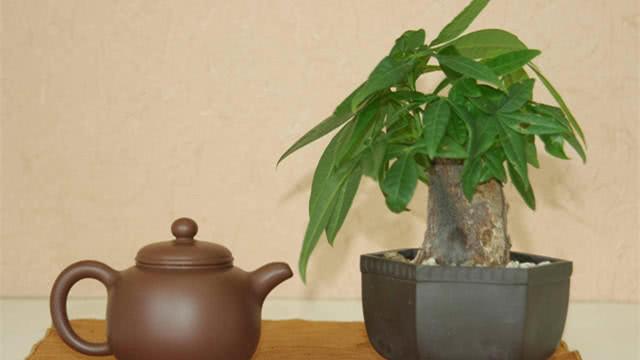
Different family and genus: the money tree belongs to the Malvaceae family, Pachira genus, while the ZZ plant belongs to the Araceae family, Zamioculcas genus. Different place of origin: the former originates from Central America, while the latter originates from eastern Africa. Different habits: the former prefers relatively moist growing conditions, while the latter prefers relatively dry growing conditions. Different morphology: the leaves of the former are not opposite, while the leaves of the latter are opposite.
1. Different family and genus
The scientific name of the money tree is Pachira aquatica, a plant of the Pachira genus in the Malvaceae family; the scientific name of the ZZ plant is Zamioculcas zamiifolia, a plant of the Zamioculcas genus in the Araceae family. Some of their common names are somewhat similar, but whether in scientific name or in family and genus, they are very different.
2. Different place of origin
The places of origin of the two are very different: the money tree originates from Central America, while the ZZ plant originates from eastern Africa.
3. Different habits
The habits of the two are also very different. The former prefers growing conditions with high temperature and high humidity. while the latter prefers warm and relatively dry growing conditions.
4. Different morphology
The morphology of the two is also somewhat different. The most obvious is that the leaves of the former are obovate and oblong, not opposite, while the leaves of the latter are ovate and opposite or nearly opposite.