-
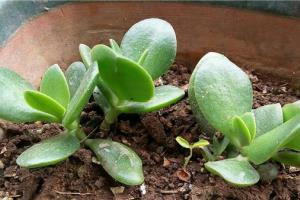
The jade plant (Crassula obliqua) has lush green foliage all year round and unusual leaf shapes. What are its household benefits?
Lush green foliage all year round and unusual leaf shapes: the household benefits of the jade plant
-
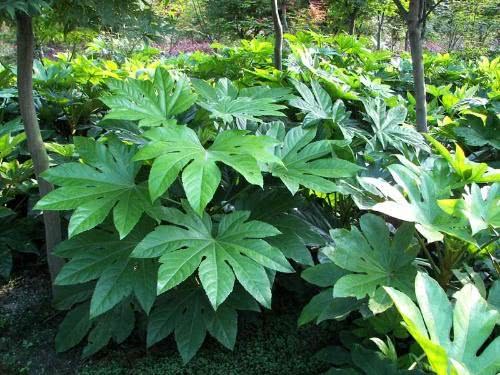
Fatsia japonica has many varied leaf shapes on its branched foliage. How should you fertilize and water it when planting in a courtyard?
Fatsia japonica is also known by the alias Jingangzuan. Because its branched foliage bears roughly eight leaves that look like eight corners, it got this name. Its plant form is relatively tall, so it is very suitable for courtyards or various large...
-
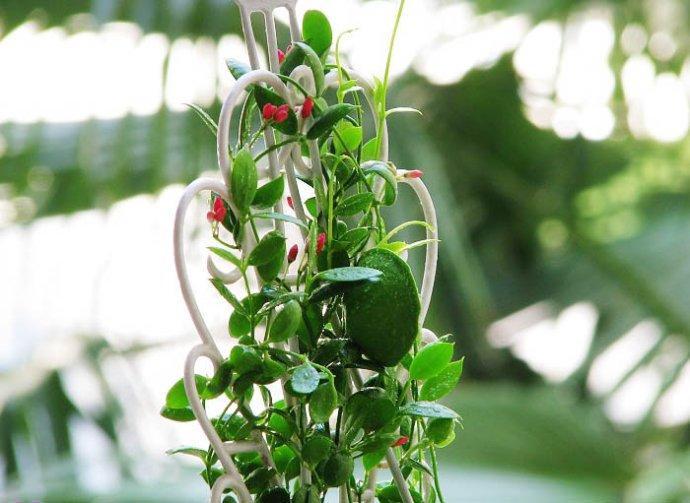
Unusual leaf shapes and bright flowers: snap off one stem and get many pots, easily covering the whole balcony
The frog vine introduced today has a shape as unusual as the staghorn fern, also has two forms of leaves, and is famous for its quirky style. Exceptionally gifted, it grows pouch-like hollow modified leaves, and at first glance looks like a frog with a puffed-up belly, ...
-
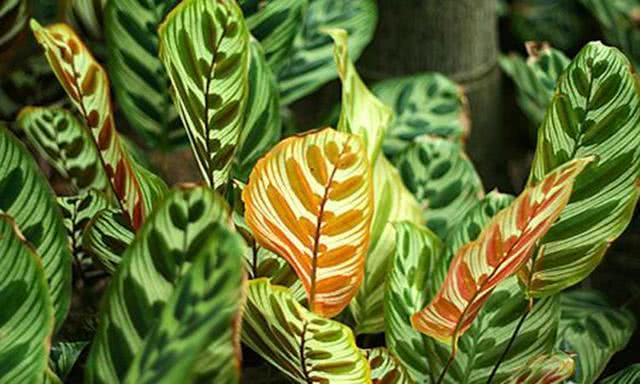
The Calathea leopardina has diverse leaf shapes and strong ornamental appeal, and its four-step care method is simple and easy to learn
Calathea leopardina is mainly native to the Americas and the islands around the Indian Ocean, and it has been introduced for cultivation in many regions of our country. Because its leaf shapes are relatively diverse and its adaptability to the environment is strong, most Calathea leopardina are planted in patches, in clumps...
-
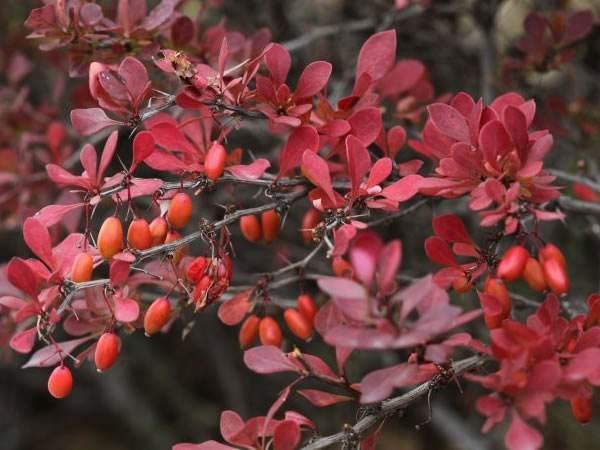
How to make a purple-leaf barberry bonsai? Do it this way for a quaint shape and vivid leaf color
Purple-leaf barberry (Berberis thunbergii f. atropurpurea), also known as red-leaf barberry, has these names for a reason: its young branches are purplish-red or dark red, and the leaves of this plant are very small and diamond-shaped, but its flowers differ in color from its leaves, ...
-
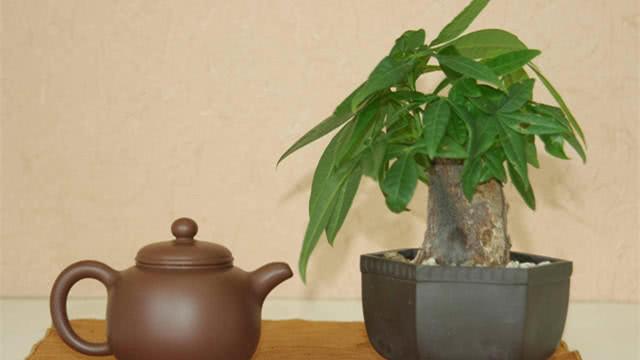
How to tell a money tree (Pachira aquatica) and a ZZ plant (Zamioculcas zamiifolia) apart? Look at the leaf shape and you can identify them accurately every time
Different family and genus: the money tree belongs to the Malvaceae family, Pachira genus, while the ZZ plant belongs to the Araceae family, Zamioculcas genus. Different place of origin: the former originates from Central America, while the latter originates from eastern Africa. Different habits: the former prefers relatively moist growing conditions,...
-

What is Haworthia truncata? An introduction to the Haworthia truncata succulent
Haworthia truncata, also known as truncated haworthia, is a succulent plant of the genus Haworthia in the family Liliaceae, also called a succulent. The plant has no stem, and its fleshy leaves are arranged in two rows in a fan shape. The leaves are upright, slightly curved inward, with a slightly sunken tip. The surface is rough, green to dark greenish-brown, with small wart-like protrusions. The cross-section of the new leaves is partly transparent and grayish-white.
-
What kind of orchid is the monkey face orchid (Dracula simia)?
The monkey face orchid (Dracula simia), of the family Orchidaceae and the genus Dracula, is a small epiphytic orchid about 40 cm tall, with thick and sturdy stems and opposite, obovate-lanceolate leaves. The flowers are borne in opposite pairs in the leaf axils, funnel-shaped, with the flower stalks growing out from the base, and the seeds are tiny.
条件筛选