-
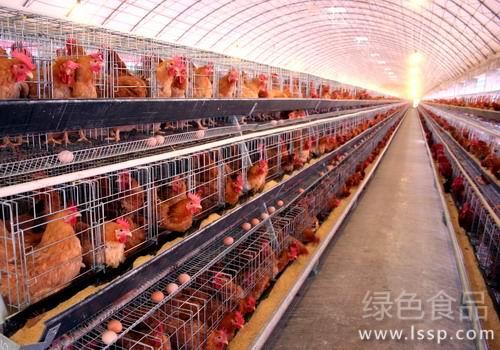
High mortality from avian encephalomyelitis in laying hens: how to prevent and control it?
How to prevent and control the high mortality of avian encephalomyelitis in chickens
-
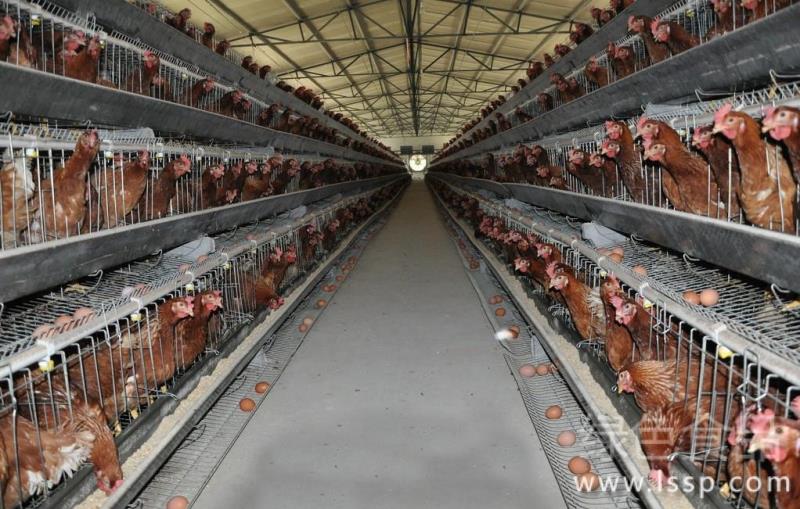
How to Reduce the Egg Breakage Rate and Cut Losses in Laying Hen Profits
Egg breakage affects laying hen profits; how to reduce the egg breakage rate
-

Key Points of Fine Feeding and Management Techniques for Laying Hens in Autumn
Autumn is exactly the initial laying stage of chickens raised in spring, and the management of the flock during this period is related to the economic benefits of the chicken farm (household). Therefore, the following management measures should be taken for hens that have started laying: Timely switch to transitional feed. Generally, chickens at 20 weeks of age are switched to pre-laying feed, also called transitional feed, in which calcium is 1% and crude protein is 16.5%. When changing feed, the feed transition process should be gradually completed over half a month. Do not rush it, to prevent diarrhea. When the laying rate reaches 2%-5%, the feed should contain 3.4%-3.5% calcium and crude protein
-
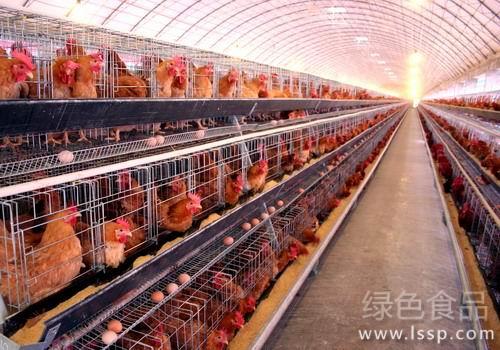
Calcium Supplementation Methods for Caged Laying Hens Producing Soft-Shelled and Thin-Shelled Eggs
Laying Hens Producing Soft and Thin Eggs Need Calcium Supplementation: Calcium Supplementation Methods for Caged Laying Hens
-
Analysis and Reflections on the Disease Development Trends of Laying Hens and Broilers
At present, with the scaling up and intensification of poultry farming, poultry diseases are gradually tending toward younger age of onset and increasing complexity, especially diseases of laying (and meat) chickens, which are becoming more and more complex. Once an outbreak occurs, it is very difficult to eradicate, greatly reducing economic returns. The following is a summary of the new characteristics of disease epidemics in laying (and meat) chickens during production, for the reference of fellow farmers. I. Tendency toward younger age of onset and early disease onset: respiratory symptoms appear as early as 3-5 days of age in meat poultry, manifesting as slight nasal shaking and coughing, especially after the first vaccination with the small triple vaccine, due to immune
-
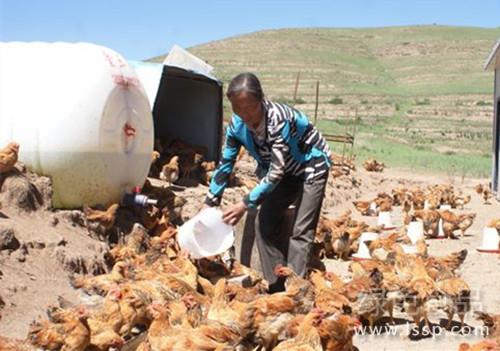
Laying hens have high water requirements during peak laying periods; they drink more in summer and no less in winter
They drink more in summer and no less in winter: water requirements of laying hens during peak laying
-
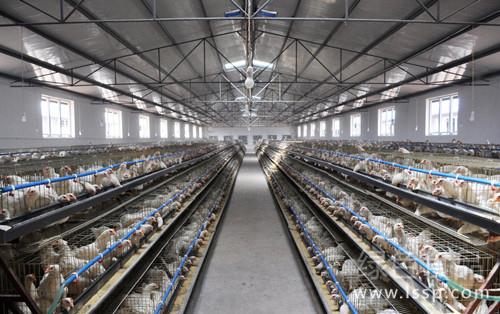
How to treat egg-laying hens with prolapse affecting egg production
How to treat prolapse in laying hens that affects egg production
-
Forced Molting Technique for Ducks Can Shorten the Pause in Laying
After laying a certain number of eggs, laying ducks stop laying and go into molt. Under natural conditions, it takes 2-3 months from molting to resuming egg production. However, when you notice that a laying duck has stopped laying and is pecking back and forth at its own feathers, give the non-laying duck a forced molt: first pluck out the older, coarser long and short feathers from both the front and back of its two wings, then keep it in a confined pen, strengthen feeding management, and feed it high-quality feed. After about 1-5 days, the non-laying duck will begin to lay eggs again.
-
How can the feeding efficiency of growing-finishing pigs be improved? Laying a solid foundation is key
Pig production is a competitive industry in China's agriculture. Pork accounts for about 67% of total meat production and is an indispensable source of nutrition for people; pig manure and urine will play an even greater role in increasing agricultural output and developing organic agriculture. Raising pigs is conducive to rural economic development and increasing farmers' income. The comprehensive utilization of pigs has great development potential and awaits further development, and the international and domestic markets for pig products still need further expansion. Therefore, great attention should be paid to the genetic foundation, material foundation and survival foundation of pig production, promoting pig production toward high yield
-

Egg prices rise because last year's floods reduced laying hens, not because of an epidemic; no need to panic-buy
The egg shortage has nothing to do with an epidemic, so don't rush to stock up on eggs! Last year's floods reduced the number of laying hens, and the price of one egg has risen by 0.3 yuan
条件筛选